





































Israel entered 2025 amid a complex multi-front conflict, grappling with the challenges posed by ongoing engagements in Gaza and Lebanon. The new US administration has generated hope in Jerusalem for enhanced support, although the situation remains fraught with international scrutiny and operational hurdles. Throughout 2024, Israel’s military operations faced condemnation from various nations, yet they also served as a testing ground for advanced technologies, including autonomous vehicles and artificial intelligence systems.
Defense Industry’s Global Reach
Despite the challenges posed by foreign nations pledging to halt defense equipment supplies to Israel, the nation’s defense industry continues to thrive. In September, analysts indicated that while Israel’s defense sector primarily relies on domestic production, it is still constrained by certain critical components sourced internationally. Notably, Israel has successfully maintained contracts like the sale of the Arrow 3 missile defense system to Germany, highlighting the resilience of its defense exports.
In 2024, Israel’s defense exports reached a remarkable $14.7 billion, marking the third consecutive year of record sales. The Israeli Ministry of Defense reported that 54 percent of these contracts were with European countries, indicating a robust international demand for Israeli defense solutions even amid regional conflicts. The ability to satisfy both domestic military needs and international contracts underscores the sophistication of Israel’s defense manufacturing capabilities.
Innovations in Air Defense
One of the standout advancements in 2025 has been the development of laser air defense systems, specifically the Iron Beam. Developed by Rafael Advanced Defense Systems, this system is designed to complement the Iron Dome and provide cost-effective short-range defense solutions. While the technology has been in development for years, its operational rollout is expected to enhance Israel’s defensive capabilities against aerial threats.
The challenge remains in the effectiveness of laser systems, particularly regarding their range and the time required to neutralize incoming threats. As technology evolves, the potential for these systems to become a staple of Israel’s defense strategy grows, although full operational maturity will take time.
Military Acquisitions and Strategic Operations
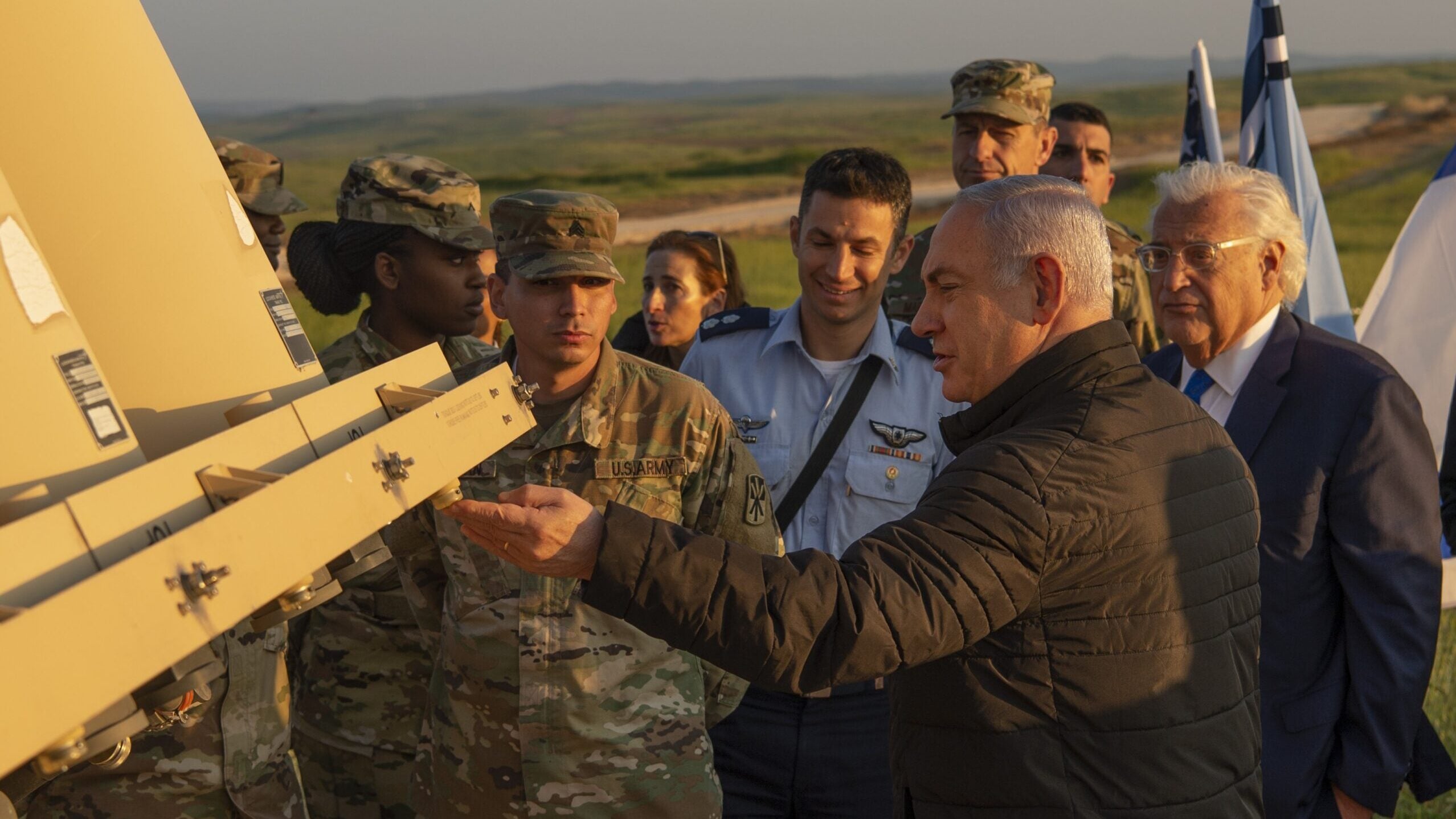
In 2025, Israel’s military relationship with the United States has remained crucial, particularly in light of recent geopolitical developments. Following the transition from the Biden administration, Israeli officials expressed optimism that the incoming Trump administration would offer stronger support. This relationship has facilitated significant military acquisitions, including additional KC-46A refuelers, which are essential for long-range operational capabilities, particularly concerning potential missions targeting Iran.
In June, the Israel Defense Forces (IDF) launched an extensive campaign against Iranian military installations, marking a significant escalation in the region. This operation, characterized by long-range air strikes aimed at neutralizing Iran’s air defenses and nuclear program sites, showcased Israel’s strategic military capabilities. The operation drew parallels to historical military campaigns, emphasizing Israel’s readiness and technological prowess in conducting complex aerial operations.
The coordination with US Central Command has played a vital role in the success of these operations, reinforcing the importance of international collaboration in addressing regional security challenges. The IDF’s capacity to execute such a multifaceted operation not only reflects its military strength but also underscores the evolving nature of warfare in the modern era.
As Israel navigates the complexities of its multi-front war, the interplay between technological innovation, international relations, and military strategy will remain critical to its defense posture in the coming years. The developments of 2025 will likely set the stage for further advancements and challenges as the nation continues to adapt to a rapidly changing geopolitical landscape.