









































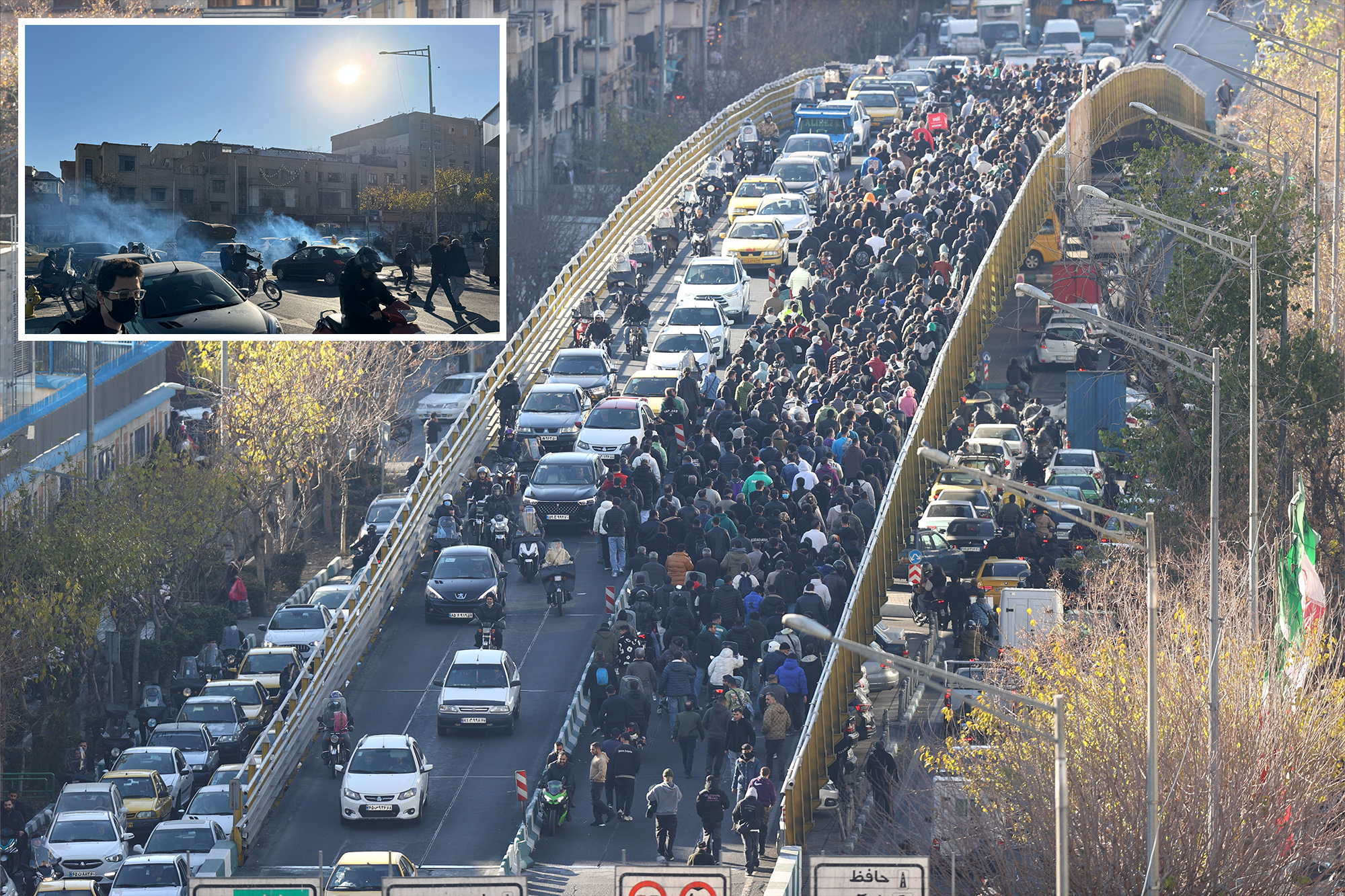
Protests have erupted across Iran as citizens voice their anger over a severe cost of living crisis. The value of the Iranian rial has plummeted, with one US dollar now worth an astonishing 1.4 million Iranian rials. Demonstrations began earlier this week and have quickly spread to rural areas, where residents are experiencing the most significant economic hardships.
President Masoud Pezeshkian has indicated a willingness to engage in dialogue with the protestors. However, he admitted that little can be done to address the crisis while the rial continues to crash. The economic decline has sparked outrage among consumers and shopkeepers in Tehran, who are directing their frustrations towards government mismanagement. As of Thursday, protests intensified, reaching various regions of the country.
Economists had long forewarned officials about the brewing cost of living crisis. According to Iran International, local staples such as Tarom Hashemi rice have skyrocketed to approximately 4 million rials per kilogram, equivalent to $3.56 per pound. This represents a staggering 230% increase compared to the previous year. Consumer price inflation has surged to 48.6%, exacerbating the economic strain.
A shopper in Karaj expressed the collective frustration, stating, “[Ayatollah] Ali Khamenei has spent over four decades chasing war, missiles and chanting, ‘Death to this or that.’ Now we can’t even afford rice,” as reported by Iran International. The situation has escalated to the point where even gasoline prices, traditionally seen as a right by Iranians, surged in December, leading to public outrage and prompting the government to introduce new subsidies.
The protests have primarily focused on local bazaars, critical for daily purchases, resulting in the closure of businesses, universities, and government offices across the nation. Demonstrators have begun to turn chants against Khamenei, shouting “Death to the dictator.” While protests in Tehran have shown signs of slowing, activity has intensified in other parts of the country, occasionally turning violent. Recent clashes between security forces and protestors have led to three confirmed deaths.
According to state-run IRNA, a 21-year-old volunteer officer with the Revolutionary Guard’s Basij force was killed during protests on Wednesday night. Deputy governor Saeed Pourali stated that the officer “was martyred … at the hands of rioters during protests in this city in defense of public order.” He acknowledged that the protests stem from “economic pressures, inflation and currency fluctuations” and emphasized the need for officials to listen to citizens’ concerns.
The Washington-based Abdorrahman Boroumand Center for Human Rights in Iran identified two additional fatalities among protestors in Lordegan. Instead of addressing the economic issues directly, President Pezeshkian suggested that foreign interference was the root cause of civil unrest. “Right now, the enemy has placed most of its hopes on knocking us down through economic pressure,” he remarked during a business forum in Tehran.
Pezeshkian asserted, “You cannot conquer a nation with bombs, fighter jets, or missiles. And if they were to confront this nation on the ground, if we remain determined, united, and committed to working together to make our country proud, it would be impossible for them to bring Iran to its knees.”
As protests continue, the Iranian government faces increasing pressure to respond to the urgent economic challenges that have ignited widespread civil unrest.
















