









































Tensions between Iran and the United States have escalated following military actions in Venezuela by US forces, leading Iran’s Supreme Leader, Ayatollah Ali Khamenei, to deliver a defiant warning. Amid a violent crackdown on protests within Iran, Khamenei accused the US of inciting unrest and cautioned against any military intervention.
Protests erupted in Tehran on December 28, 2022, driven by rampant inflation and a collapsing currency. As unrest spread nationwide, Iranian authorities responded with a violent crackdown, resulting in numerous casualties, according to various journalists and advocacy groups. In an attempt to control the situation, the government imposed an internet and telecommunications blackout, isolating citizens from external communications.
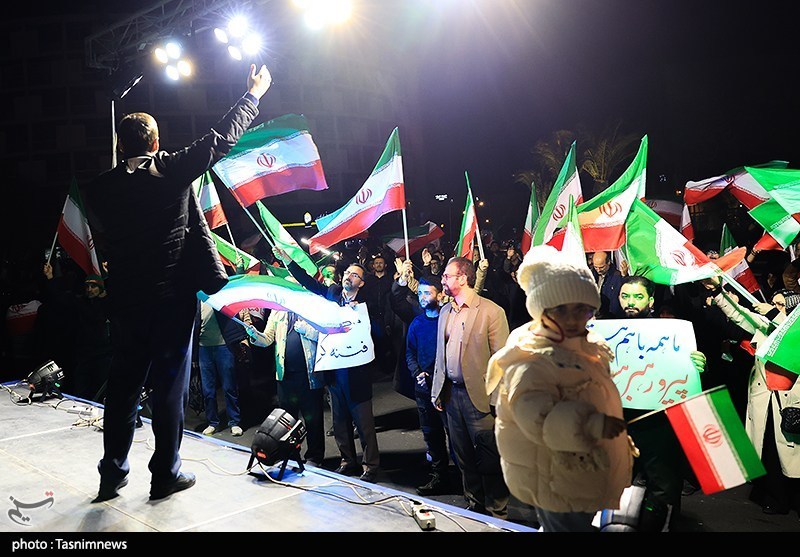
In a message posted on his official website, Khamenei praised pro-government rallies as a show of strength against foreign interference. He stated, “These massive gatherings, overflowing with firm determination, nullified the plot of foreign enemies that was supposed to be carried out by internal hirelings.” He further emphasized that the Iranian nation is aware of its adversaries and will not tolerate deceitful actions from foreign powers.
As rhetoric from Iranian officials intensified, US President Donald Trump indicated potential military responses to the unrest in Iran. In a strong warning, Iranian Parliament Speaker Mohammad Bagher Qalibaf asserted that any US attack would result in retaliation against American military bases and ships in the region. “In the event of an attack on Iran, both the occupied territory and all American military centers, bases and ships in the region will be our legitimate targets,” he stated, underscoring Iran’s readiness to act on perceived threats.
Iran’s Foreign Minister, Abbas Araghchi, echoed these sentiments, declaring on January 2, 2023, that the country is prepared for war but remains open to diplomatic negotiations. “We are not looking for war, but we are prepared for war. We are also ready for negotiations, but negotiations that are fair, with equal rights and mutual respect,” he said, highlighting Iran’s dual approach in the face of escalating tensions.
This heightened rhetoric coincides with recent US military actions in Venezuela. On January 3, 2023, US forces launched airstrikes and captured President Nicolás Maduro in what the Trump administration characterized as a counter-narcoterrorism operation. This intervention, the most significant US military action in Latin America in decades, drew widespread condemnation internationally. United Nations experts labeled it “a grave, manifest and deliberate violation of the most fundamental principles of international law.”
Critics, including Democratic senators and various human rights organizations, voiced concerns that such actions set a troubling precedent for US foreign policy. In this context, Iranian leaders are carefully calibrating their responses to Trump’s military threats, signaling both a willingness to defend their sovereignty and an openness to engage in dialogue.
As the situation develops, the global community watches closely, mindful of the potential repercussions for both Iran and the wider region. The interplay of military readiness and diplomatic overtures illustrates the complexities of international relations in a time of heightened conflict.
















