









































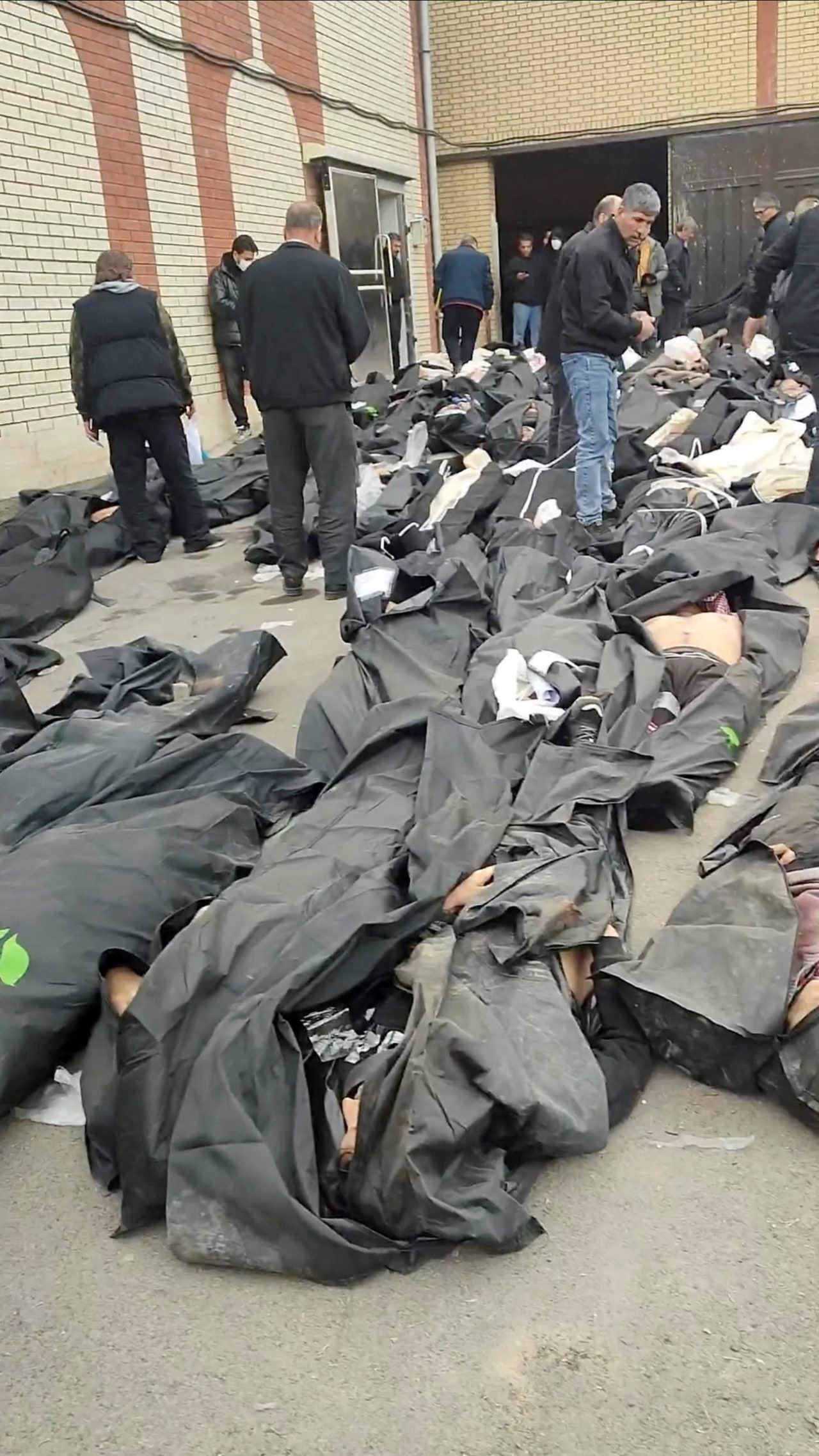
On January 8, 2023, Iranian authorities initiated a nationwide internet blackout, a decision that coincided with a series of mass killings across the country. Reports indicate that at least 300 individuals lost their lives within a 24-hour period, raising international alarm and condemnation. The swift action taken by authorities appears linked to efforts to suppress dissent amid ongoing protests related to political repression and civil liberties.
The killings predominantly took place in urban centers, with Tehran reportedly experiencing some of the most severe violence. Eyewitness accounts describe chaotic scenes as security forces clashed with demonstrators. Witnesses cited the involvement of military personnel and police, who employed live ammunition against protestors. This escalation follows months of unrest in Iran, sparked by widespread dissatisfaction with the government.
Human rights organizations are now demanding accountability for these actions. Amnesty International and other advocacy groups have condemned the government for its heavy-handed approach, calling for an independent investigation into the events surrounding the internet shutdown and the ensuing violence. They argue that the internet blackout served to isolate and intimidate those opposing the state.
The Iranian government has yet to release an official statement addressing the reported fatalities or the reasons behind the internet suspension. However, sources within the National Security Council suggest that the measures were intended to maintain order and prevent the spread of information that could incite further unrest. Critics argue that such justifications only deepen the resolve of those demanding fundamental change.
International responses have been swift, with several countries expressing deep concern over the situation. The United States and European Union have issued statements urging Iran to respect human rights and restore internet access to its citizens. The situation remains fluid as additional reports emerge from the ground, highlighting the urgent need for humanitarian assistance and protection for those affected.
As global attention focuses on Iran, the implications of these events could extend beyond its borders. Analysts warn that continued violence and repression might lead to an escalation of tensions within the region. The world watches closely, awaiting further developments in what many are calling a critical juncture for the nation.
In summary, the tragic events of January 8 illustrate a troubling pattern of violence and repression in Iran, raising serious questions about the government’s commitment to human rights and the rule of law. As the international community calls for accountability, the future of civil liberties in Iran hangs in the balance.
















