






























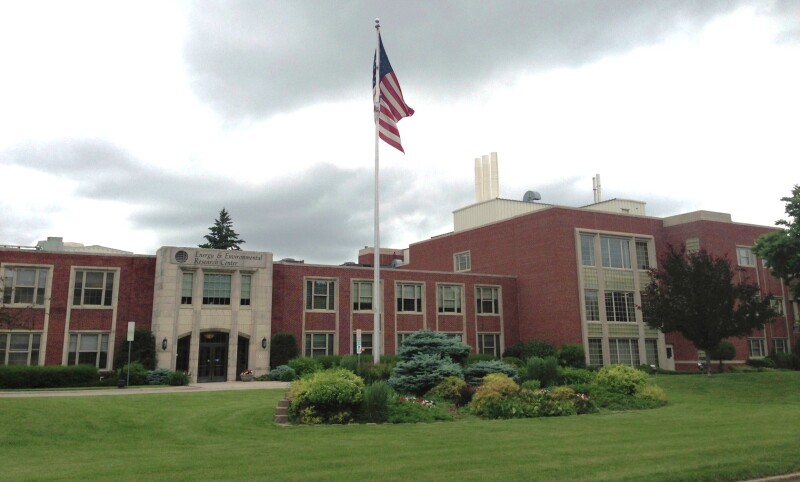
The Heartland Hydrogen Hub, a pivotal project aimed at producing clean hydrogen for low-carbon nitrogen fertilizer, is currently stalled due to shifting federal priorities and uncertainty surrounding new contracts. According to John Harju, vice president for Strategic Partnerships at the University of North Dakota Energy and Environmental Research Center (EERC), the absence of federal support has raised concerns about the project’s viability.
The situation escalated after the U.S. Department of Energy (DOE) canceled $2.2 billion in funding for two hydrogen hubs on the West Coast, which were designed to leverage clean energy for hydrogen production. While the fate of five remaining proposed hubs, including the one planned for North Dakota, hangs in the balance, the evolving policy landscape is causing significant delays.
A fundamental challenge lies in the conflicting policies between the DOE and the U.S. Department of the Treasury. The introduction of new guidelines regarding the 45V tax credit, intended to support hydrogen production, has resulted in a lack of clarity. Harju described the current environment as one of “uncertainty,” emphasizing that many investors are hesitating to commit capital without a clear direction from federal authorities.
The Heartland Hydrogen Hub faced further difficulties when major partner Marathon Petroleum withdrew in July 2024, citing financial instability linked to the draft guidance. This departure impacted a planned $2.5 billion facility that was expected to receive approximately $400 million in federal funding. Additionally, the ineligibility of certain energy facilities, such as Xcel Energy’s nuclear facility, for tax credits due to the “incrementality” test has further complicated matters.
The reorganization of the Office of Clean Energy Demonstrations (OCED) has also contributed to the delays. With key personnel leaving and the office’s future uncertain, contracting for already selected projects has been impeded.
The Infrastructure Investment and Jobs Act, passed in November 2021, aimed to create hydrogen hubs nationwide to facilitate a transition to cleaner energy and reduce greenhouse gas emissions. However, while the act authorized significant funding, actual disbursement depends on annual congressional appropriations, which can shift based on political and economic priorities.
In response to this evolving situation, Harju noted the importance of regional strengths, particularly North Dakota’s abundant natural gas resources, which could serve as a foundation for hydrogen production. The North Dakota Legislature had earlier allocated funds to the EERC in 2021 to develop a hydrogen roadmap, positioning the state as a potential leader in the hydrogen economy.
In October 2022, a memorandum of understanding was signed by then-Governor Doug Burgum and the governors of surrounding states, establishing a collaborative effort to develop the Heartland Hydrogen Hub proposal. The EERC submitted a comprehensive proposal to the DOE in November 2022, and by April 2023, the project was among those encouraged to advance to full proposal submission.
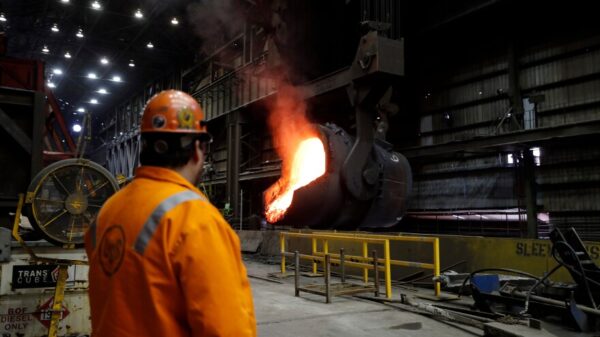
Despite the setbacks, the EERC remains engaged in securing alternative projects that align with the region’s capabilities, such as decarbonizing the steel industry in northern Minnesota and integrating renewable energy sources. The urgency to advance these projects is palpable, with Harju indicating that the “clock is ticking” on construction timelines.
U.S. Senator John Hoeven has expressed his commitment to supporting the EERC during the DOE’s review process, emphasizing the importance of wisely utilizing taxpayer dollars. Meanwhile, Senator Kevin Cramer highlighted the establishment of an appeals process for hydrogen hub projects that were initially targeted for cuts, providing a potential pathway for the Heartland Hydrogen Hub to remain viable.
As the climate for clean energy remains in flux, the Heartland Hydrogen Hub’s future hangs in the balance, reliant on clearer guidance from federal authorities and continued support from regional stakeholders. The potential impact of this hub is significant, with projections estimating a reduction of 525,000 metric tons of carbon dioxide emissions per year, equivalent to removing over 120,000 gasoline-powered cars from the roads.