









































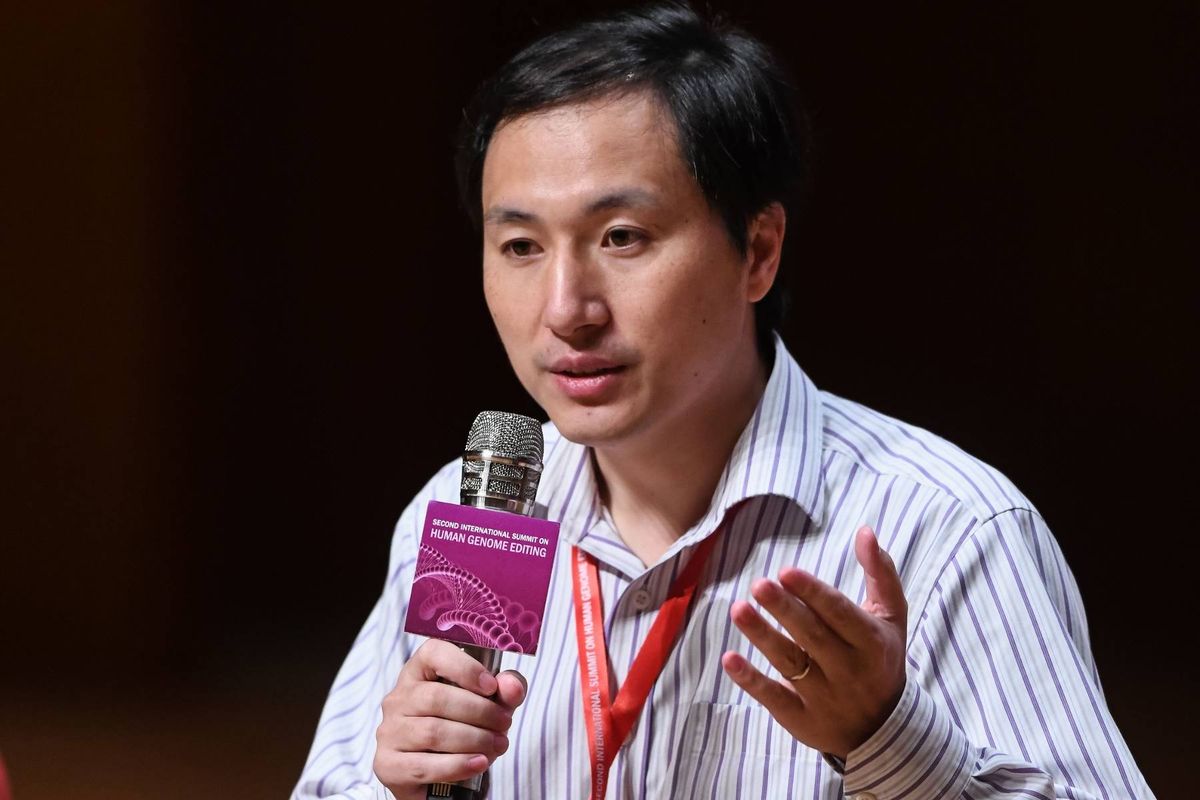
He Jiankui, the Chinese scientist known for his controversial work on gene editing, has been released from prison after serving a three-year sentence. Jiankui gained notoriety in 2018 for creating the world’s first gene-edited babies, aiming to provide them with resistance to HIV. Following widespread condemnation over ethical implications and safety concerns, he was incarcerated for his illegal medical practices.
Upon his release, Jiankui has made clear his intention to resume research in the field of gene editing. He is reportedly looking to apply similar techniques to combat Alzheimer’s disease. His current focus involves a genetic mutation identified in certain Icelandic individuals who exhibit a remarkable resistance to Alzheimer’s and enjoy longer lifespans. Although Jiankui is open about his objectives, the type of germline editing he proposes remains prohibited in many countries, including China.
Controversial Methods Spark Renewed Debate
Jiankui’s approach raises significant ethical questions, particularly as he plans to conduct preliminary tests on animals. The implications of his work echo the controversies that led to his previous arrest. At a scientific conference in 2018, he announced that he had modified the genomes of embryos, which were then carried to term. This revelation sparked an international outcry, leading to concerns about consent, safety, and the ethical ramifications of gene editing in humans.
According to NewsBytes, executing human trials poses considerable challenges for Jiankui. However, there is speculation that he may soon conduct such trials in South Africa, where germline gene editing was legalized last year. This development has the potential to redefine the landscape of genetic research and therapy globally.
The Landscape of Gene Editing Today
While Jiankui’s work has attracted significant attention, it also highlights a broader trend in the field of gene editing. Advances in somatic therapies, which do not affect reproductive cells, are gaining approval for treating serious diseases. The general consensus within the biomedicine community remains that while gene editing could revolutionize treatments for existing conditions, altering embryos for reproductive purposes—especially for complex diseases—should remain off-limits.
As the debate around the ethical boundaries of gene editing continues, Jiankui’s next steps will undoubtedly attract scrutiny. His past actions serve as a reminder of the delicate balance between scientific innovation and ethical responsibility. The future of gene editing, particularly in the context of human genetics, remains a complex and contentious issue that will require careful consideration from scientists, ethicists, and policymakers alike.
















