









































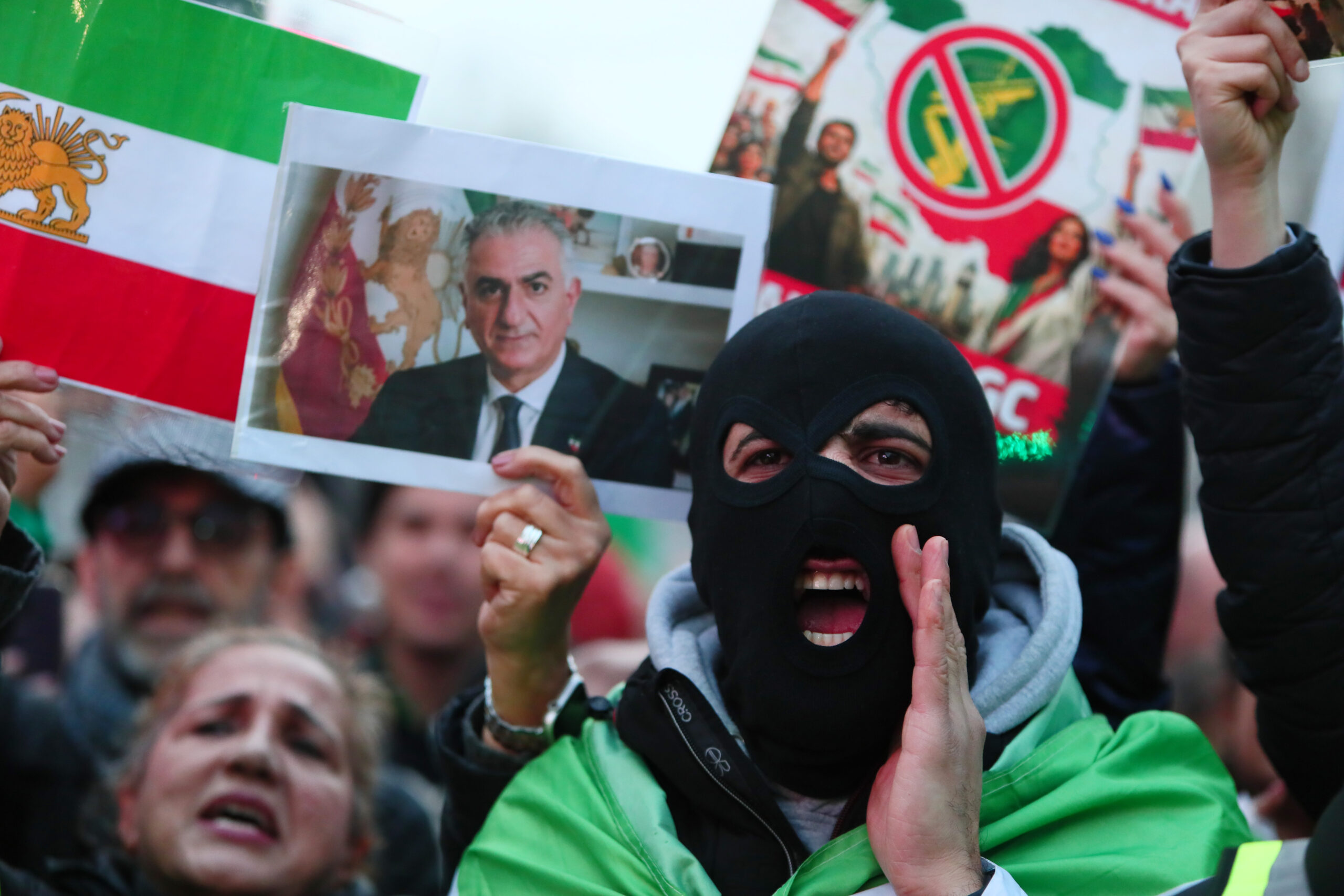
The son of Iran’s last monarch made a surprise appearance on national television, delivering a message of resistance. This event was orchestrated by hackers amid ongoing protests against the Iranian regime’s crackdown on dissent. The move highlights the continued struggle for freedom in Iran, where authorities have intensified their efforts to suppress opposition voices.
In a significant development, organizers of the World Economic Forum in Davos have invited Iran’s Foreign Minister, Hossein Amir-Abdollahian, to attend the upcoming gathering. This decision comes despite the regime’s harsh measures against protesters and the recent wave of internet restrictions. It raises questions about the international community’s engagement with a government facing widespread criticism for its treatment of dissenters.
The protest movement in Iran has witnessed a resurgence following the death of Mahsa Amini in September 2022. Her passing sparked outrage and a series of demonstrations against the government, which has responded with violent crackdowns and arrests. As of now, over 500 individuals have lost their lives in the protests, according to human rights organizations, and thousands have been detained.
The hackers’ decision to feature the former Shah’s son, Reza Pahlavi, on television serves as a rallying point for those opposing the regime. His message underscored the need for unity among dissidents and the urgency of continued resistance against authoritarian rule. The unprecedented broadcast, which was facilitated by hacking government channels, illustrates the lengths to which supporters of the movement are willing to go to amplify their voices.
The invitation to Amir-Abdollahian by the World Economic Forum is controversial. It signals a potential normalization of relations with the Iranian government, which many believe undermines the ongoing protests and the plight of those fighting for basic human rights in the country. Critics argue that engaging with the regime sends a dangerous message that its actions are acceptable on the global stage.
As protests continue and the regime remains firm in its stance against dissent, the situation in Iran is becoming increasingly complex. International reactions to these developments will be closely monitored, particularly in relation to the discussions expected at Davos.
In the face of significant challenges, the resilience of the Iranian people remains evident. Their struggle for freedom and justice has captured global attention, and actions such as those seen recently on television serve as a poignant reminder of the fight against oppression.
The interplay between international diplomacy and internal unrest in Iran will likely shape the narrative of the coming months. As events unfold, the world watches closely to see how both the Iranian government and its opposition will navigate this critical period.
















