





































Germany has launched comprehensive safety testing protocols aimed at ensuring the safety of heated food, salads, and shrimp. This initiative, spearheaded by the German Federal Institute for Risk Assessment (BfR), focuses on addressing potential health risks associated with these food categories.
The testing program, which began in July 2023, is part of a broader effort to enhance food safety standards across the country. It involves rigorous examination of food products to identify harmful contaminants, including bacteria, chemicals, and allergens that could pose a threat to consumers.
Focus on Key Food Categories
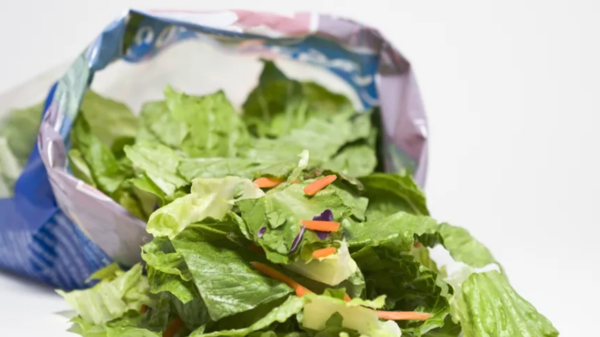
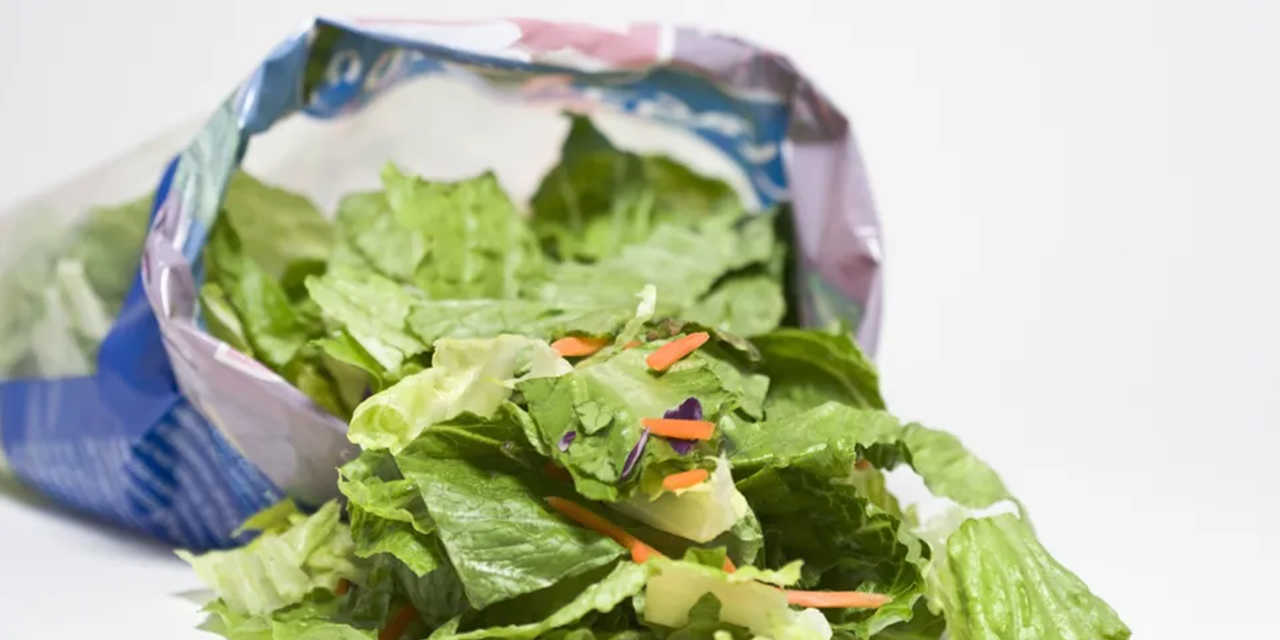
The BfR’s strategy is particularly concentrated on shrimp, salads, and heated food items, which have been under scrutiny for their susceptibility to contamination. Shrimp, often imported from various regions, can carry pathogens if not properly handled or cooked. Similarly, salads, which are typically consumed raw, present unique challenges in terms of microbial safety. Heated foods, while generally less risky, still require thorough testing to ensure they meet safety standards after preparation.
According to the BfR, the initiative aims to bolster consumer confidence in food safety. The testing will involve collecting samples from various sources, including supermarkets and restaurants, and subjecting them to detailed analyses.
Collaboration with Food Industry
The German food safety authority is collaborating with local food producers and distributors to facilitate the testing process. This partnership ensures that stakeholders are informed about safety standards and can take necessary actions to comply with health regulations.
The findings from the testing will not only be pivotal for consumer safety but will also guide policymakers in establishing more stringent food safety guidelines. The BfR has indicated that results will be published to keep the public informed about food quality and safety issues.
As Germany moves forward with this initiative, the emphasis remains on creating a safer food environment for all consumers. The commitment to rigorous testing reflects a proactive approach to public health and safety, underscoring the importance of vigilance in food production and distribution.
In summary, the German authorities are taking significant steps to ensure that heated food, salads, and shrimp are safe for public consumption. With the implementation of these safety tests, the nation aims to enhance food quality and protect the health of its citizens.