









































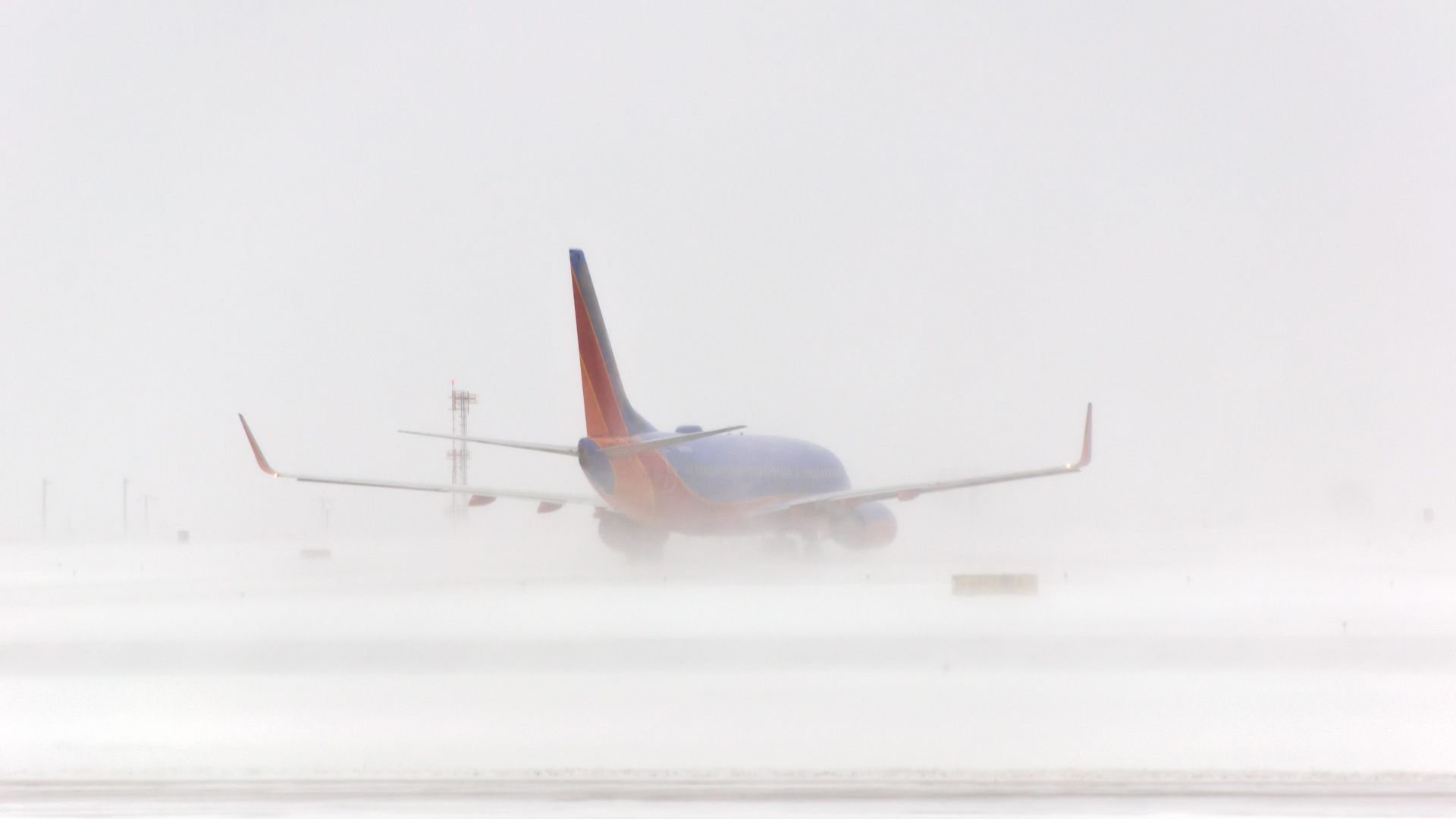
A severe winter storm that struck the Eastern United States on March 12, 2023, has caused unprecedented disruptions in air travel, resulting in the cancellation of nearly 20,000 flights. The storm, named Winter Storm Fern, left over one million people without power and claimed at least 25 lives across multiple states. The Department of Transportation (DOT) anticipates that flight operations will return to normal by midweek.
The day of the storm saw more than 5,000 flights delayed, followed by over 4,500 cancellations on March 13, according to reports from NPR. Accumulations of snow exceeded 2.5 feet (76 cm) in some areas, impacting states as far west as New Mexico and causing significant power outages from East Texas to Georgia.
Impact on Air Travel and Safety Concerns
The scale of disruptions caused by Winter Storm Fern marks the most significant air travel incident since the early days of the COVID-19 pandemic. On March 30, 2020, nearly half of all scheduled flights in the United States were cancelled. In contrast, this past weekend saw American Airlines cancel around 25% of its scheduled departures, while JetBlue cancelled nearly half of its flights on March 13.
While there were no emergencies reported involving commercial aircraft, a private Bombardier Challenger 650 crashed at Bangor International Airport (BGR). The aircraft, carrying between nine and eleven passengers, is believed to have resulted in the loss of all lives aboard, according to FAA and NTSB officials. Bangor Airport police Sergeant Jeremy Brock confirmed that “according to the flight manifest, there were six people on the flight. No one from the incident was transported to the hospital, and all on the flight are presumed to be deceased.”
Severe Weather Conditions and Ongoing Challenges
The storm’s impact was felt across a wide area, with ice, sleet, and snow affecting millions. The National Weather Service (NWS) warned of persistent frigid temperatures throughout the week, adding to the challenges faced by recovery teams. Major airports, including Ronald Reagan Washington National Airport (DCA) and LaGuardia Airport (LGA), experienced significant flight cancellations, with DCA effectively closed on Sunday despite operational power.
Power restoration efforts have progressed since the peak of the storm, though many residents in severely affected states are still awaiting assistance. The unusually high snowfall in areas not accustomed to such weather has hampered rapid responses, while states with traditionally harsh winters, like Massachusetts, have also faced challenges, accumulating 20 inches of snow.
Flying in severe winter conditions poses numerous hazards. Ice and frost can significantly disrupt airflow over aircraft wings, decreasing lift and increasing drag. Even minimal frost can prevent takeoff at normal speeds. Furthermore, heavy snowfall and poor visibility complicate operations, making safe landings difficult.
Airlines and airports typically activate Emergency Operations Centers (EOCs) to coordinate snow removal and manage equipment sharing during such crises. To alleviate congestion, major carriers waived change and cancellation fees, encouraging passengers to reschedule their flights. However, the overwhelming nature of the storm exceeded many ground crews’ capacity to maintain timely de-icing procedures, crucial for safe aircraft operations.
Despite the efforts made by airlines and airport authorities, the combination of heavy snowfall and icing presented a formidable challenge, resulting in substantial delays and cancellations across the Eastern United States. As recovery efforts continue, the DOT remains hopeful that flight operations will stabilize as conditions improve later in the week.
















