









































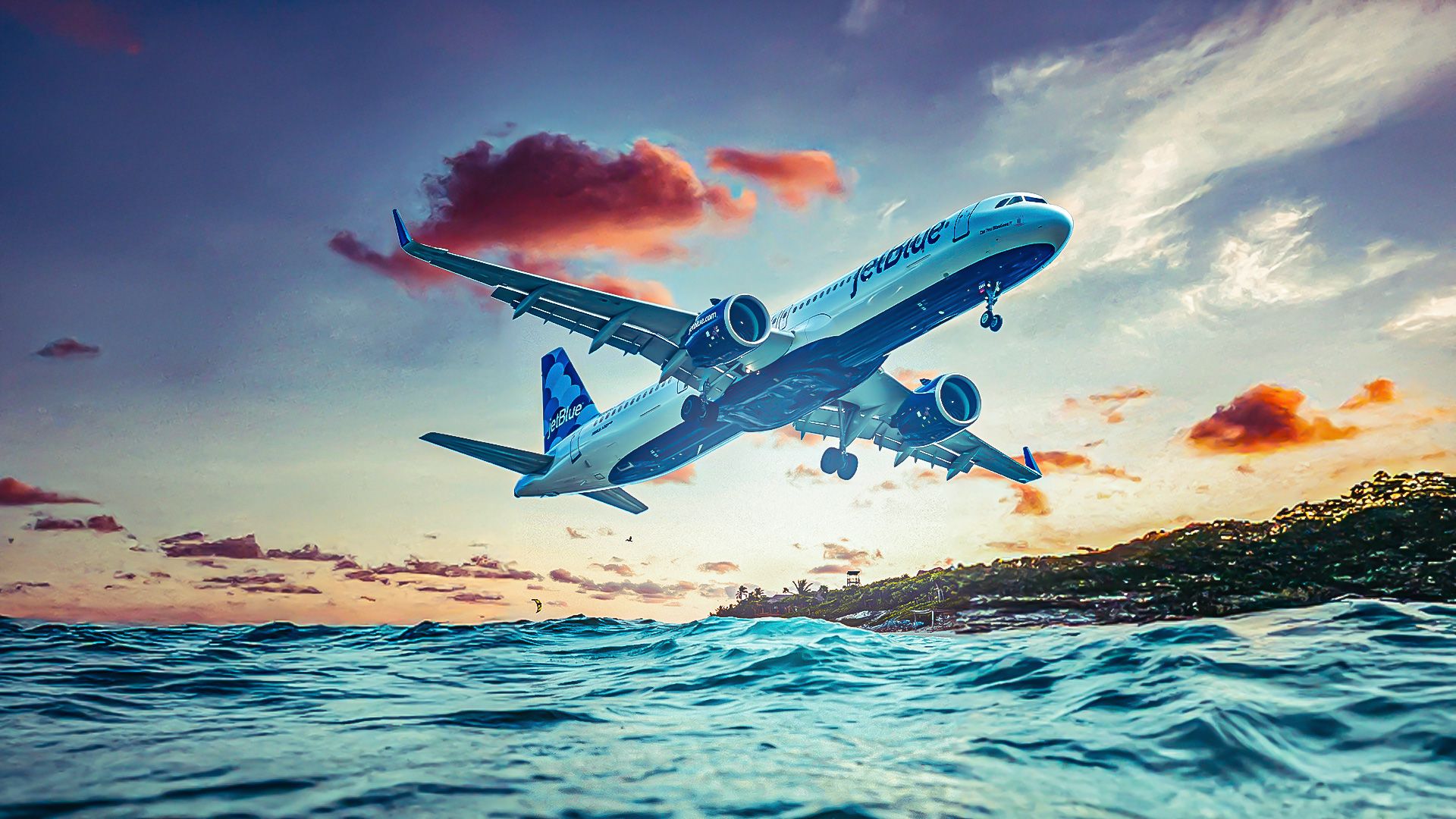
The Federal Aviation Administration (FAA) has announced the reopening of Caribbean airspace to United States carriers, allowing airlines to resume operations to numerous airports in the region from midnight on January 4, 2024. This decision follows an emergency Notice to Airmen (NOTAM) issued early on January 3, which temporarily restricted flights due to a significant U.S. military operation in Caracas aimed at capturing Venezuelan leader Nicolás Maduro.
During the operation, approximately 150 U.S. military aircraft, including jets, helicopters, and drones, were deployed. The airspace closure was implemented as a precautionary measure in light of recent near-miss incidents, which heightened safety concerns. Secretary of Transportation Sean Duffy confirmed that the restrictions would expire at 12:00 am ET and reassured travelers that airlines were informed and would update their schedules promptly.
Airlines had begun canceling flights in response to the FAA’s sudden order, resulting in thousands of passengers being stranded across the Caribbean. With the airspace set to reopen, U.S. airlines are now preparing to restore their Caribbean services. JetBlue and Delta Air Lines were particularly affected, with JetBlue canceling over 200 flights and Delta scrapping more than 100 services.
Airlines Gear Up for Resumption of Services
JetBlue indicated plans to “resume normal operations” on January 4 and will look to add flights on select routes as feasible. The airline’s operations across 15 Caribbean airports were impacted, while American Airlines faced disruptions at 19 destinations in the region. Delta aims to operate its standard Caribbean schedule on Sunday, but acknowledged “possible schedule adjustments” as it repositions resources. Meanwhile, United Airlines expects to run a regular schedule, increasing frequencies on certain routes as necessary.
The airspace restrictions came during a peak travel period when many were seeking to escape harsh winter conditions in their home countries. Airports throughout the Caribbean experienced significant disruptions, causing widespread chaos for travelers.
The most severely impacted airport was San Juan Luis Muñoz Marín International Airport (SJU), which recorded approximately 400 flight cancellations. Other airports, such as Cyril E. King Airport (STT) in the U.S. Virgin Islands and Queen Beatrix International Airport (AUA) in Aruba, also reported around 100 cancellations each. In the U.S., Miami International Airport (MIA), a major hub for Caribbean flights, experienced over 100 cancellations and more than 400 flight delays.
As travel resumes, affected passengers are encouraged to work closely with their airlines for updates on flight schedules. The FAA’s decision to lift the restrictions marks a crucial step towards normalizing air travel in a region heavily reliant on tourism during this time of year.
















