


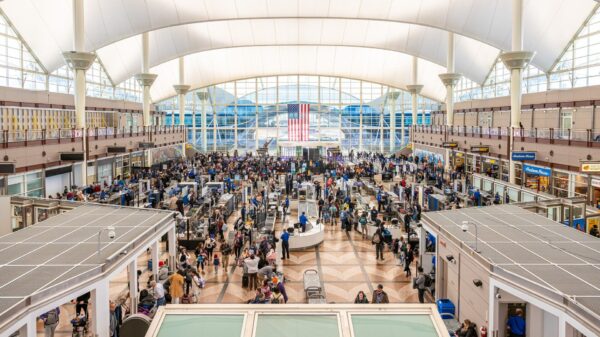
































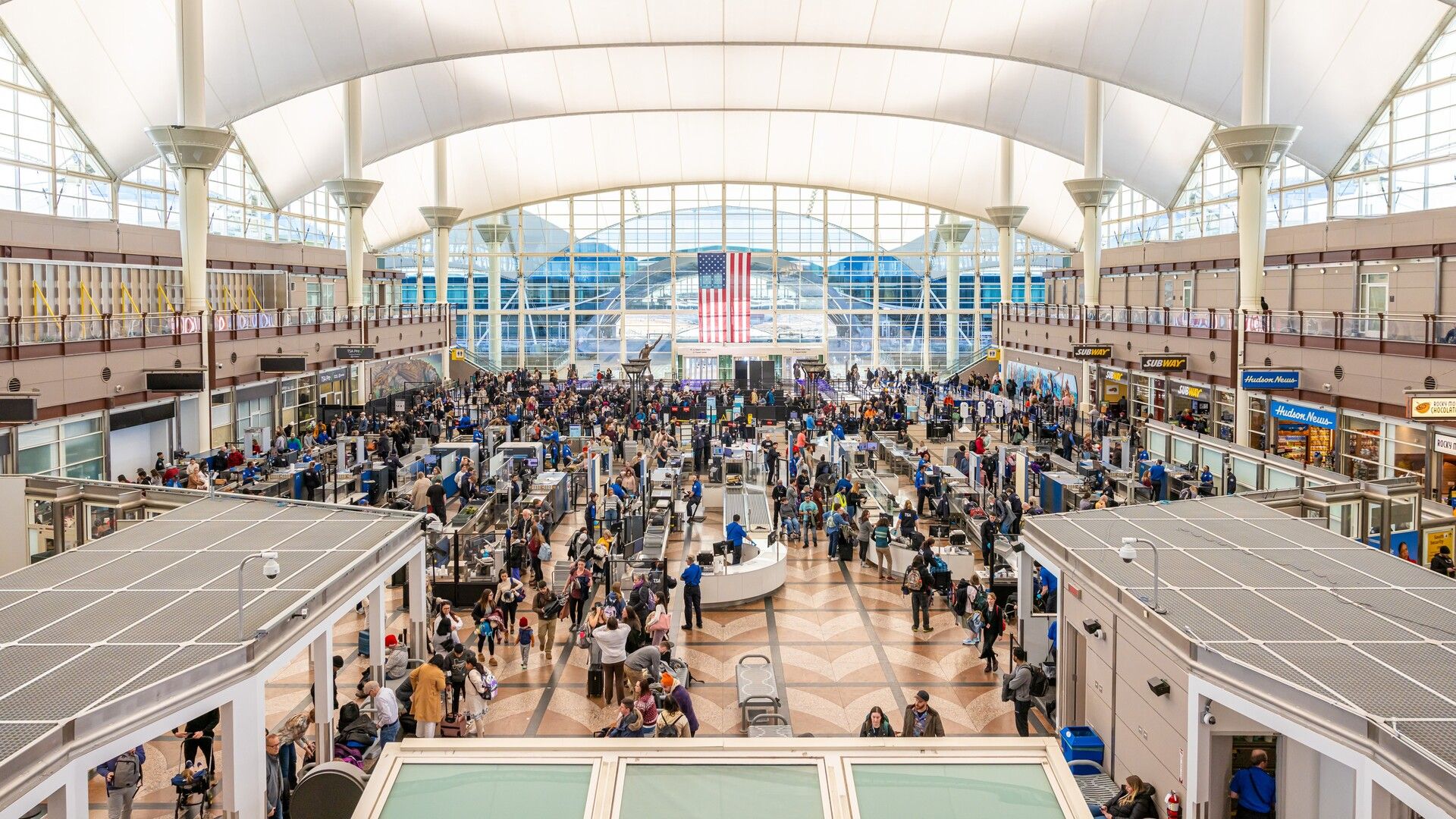
The Transportation Security Administration (TSA) has announced that Sunday, November 30, 2025, marked the busiest travel day in United States history, with over 3.13 million passengers screened at airports nationwide. This figure surpasses the previous record of 3.09 million passengers set earlier in the year and signifies a 1.4% increase compared to the post-Thanksgiving Sunday in 2024.
This surge in travel coincided with the Thanksgiving holiday when many Americans take to the skies to reunite with family and friends. Prior to this year, US airport screenings had only exceeded 3 million passengers on two occasions, but in 2025 alone, this milestone has been achieved on seven different days.
Challenges and Record-Breaking Numbers
Despite significant challenges, including the lingering effects of a recent government shutdown that caused numerous flight cancellations, severe weather across the Midwest, and potential disruptions linked to an Airbus software update, the travel industry managed to achieve remarkable numbers. On November 30, TSA agents screened 3,133,924 individuals, breaking the previous record of 3,096,797 screenings set on June 22, 2025.
The daily average for TSA screenings typically hovers around 2.48 million passengers, reflecting a year-on-year increase of approximately 14,000 travelers per day in 2025 compared to 2024. Adam Stahl, the deputy TSA administrator, expressed gratitude for the dedication of TSA officers, stating, “The Sunday after Thanksgiving is the busiest travel day of the year, and this year we have seen record numbers of holiday travelers taking to the skies. We are extremely grateful for the tireless work of our TSA Officers, who show up every day to ensure Americans can travel freely and safely.”
Top Travel Days in History
The TSA has now recorded more than three million passengers screened in a single day on nine separate occasions. While the Sunday after Thanksgiving is traditionally the peak travel day, the summer months often dominate the busiest days for TSA screenings. Interestingly, the start of the summer travel season in 2025 ranked as the second-busiest day on record, and all four Sundays in July appear in the top ten list of record travel days.
Here are the top ten record travel days for TSA screenings:
1. November 30, 2025 – Sunday after Thanksgiving: 3,133,924
2. June 22, 2025 – Start of the summer travel season: 3,096,797
3. December 1, 2024 – Sunday after Thanksgiving: 3,088,836
4. July 6, 2025 – Sunday after Fourth of July: 3,041,954
5. July 20, 2025 – Mid-summer peak: 3,040,346
6. July 27, 2025 – Mid-summer peak: 3,017,408
7. July 7, 2024 – Sunday after Fourth of July: 3,013,622
8. May 23, 2025 – Start of Memorial Day weekend: 3,010,183
9. July 13, 2025 – Mid-summer peak: 3,005,374
10. July 17, 2025 – Mid-summer peak: 2,998,091
The increase in travel has occurred despite initial concerns regarding weaker demand due to various factors, including government policies. Contrary to expectations, airlines have seen a resurgence in bookings, partly attributed to competitive pricing strategies. According to Nerdwallet, airfares decreased year-on-year for six consecutive months from March to August, with summer fares averaging 7.4% lower than the previous year.
The TSA’s record-setting numbers illustrate a remarkable recovery within the aviation sector, as the industry adapts to changing travel patterns and consumer preferences.
Airport Traffic Dynamics
It is important to note that TSA screenings do not fully capture an airport’s overall busyness. For instance, Hartsfield-Jackson Atlanta International Airport (ATL), known as the world’s busiest airport, has a record of 114,000 daily screenings, but actual passenger numbers can be up to three times that amount. Similarly, Chicago O’Hare International Airport (ORD) recorded 117,871 screenings on August 4, 2025, the day after the Lollapalooza music festival, yet welcomed more than 8.26 million passengers in July alone, averaging about 266,000 travelers daily.
As airlines continue to compete for market share at these major hubs, United Airlines and American Airlines are locked in a strategic battle at ORD. United has increased its presence, now offering 47% of all seats from its Chicago base, while American Airlines has responded by expanding its destinations and upgrading aircraft on existing routes. This competition has led to increased capacity and lower airfares, contributing to an 11% year-on-year surge in airline traffic so far this year.
The data from November 30, 2025, underscores the resilience of the travel sector and the ongoing recovery from past disruptions. As the holiday season approaches, travelers can expect continued high volumes at airports across the country.