









































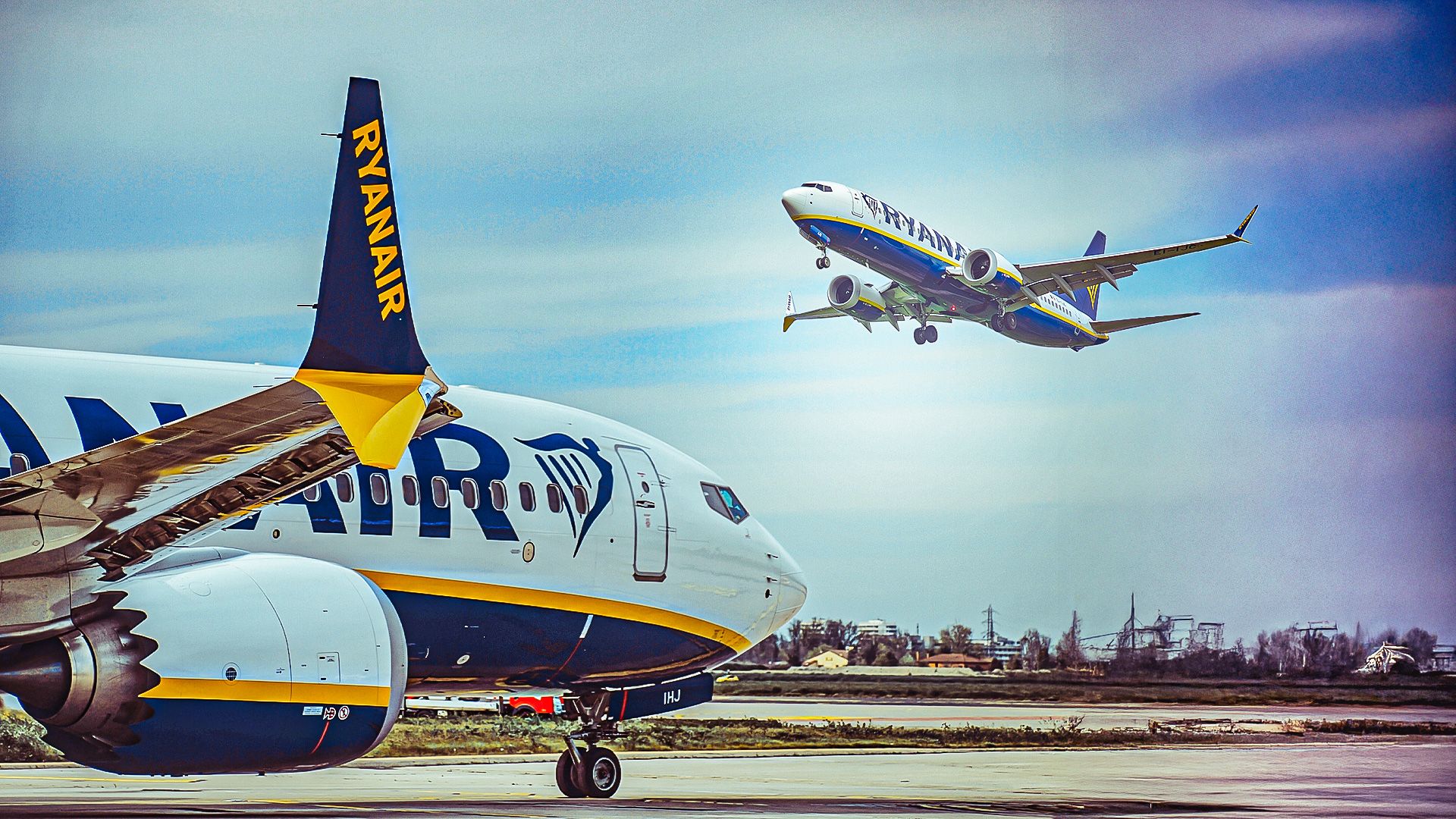
Elon Musk, founder of SpaceX, has engaged in a heated exchange with Ryanair CEO Michael O’Leary after the budget airline opted not to implement SpaceX’s Starlink satellite Wi-Fi across its fleet. O’Leary cited concerns over the financial viability of the product, arguing that the added weight and aerodynamic drag of the necessary hardware would lead to a significant fuel penalty. Musk countered these claims with data from SpaceX, prompting a rapid escalation into personal attacks.
O’Leary’s remarks came during a recent interview with Newstalk, where he stated that he “would pay no attention whatsoever to Elon Musk,” describing him as “very wealthy, but still an idiot.” He further claimed that the installation of Starlink would incur an additional annual cost of approximately $250 million, translating to around €1 extra per passenger on each flight. Musk responded on social media platform X, calling O’Leary an “utter idiot” and suggesting that he should be dismissed from his position.
The dispute intensified when Musk playfully suggested he might buy Ryanair and appoint someone named Ryan as CEO. This exchange highlights not only the rivalry between the two business leaders but also the broader implications for in-flight connectivity in the airline industry.
Starlink’s Technical and Financial Considerations
The installation of Starlink on aircraft requires additional hardware, including antennas and radomes, which increases both weight and aerodynamic drag. O’Leary estimated this penalty at around 2% for fuel consumption. However, SpaceX’s Vice President of Starlink Engineering, Michael Nicolls, challenged this figure, stating that their analysis indicated a maximum fuel penalty of only 0.3% for a Boeing 737-800. He noted that older Wi-Fi systems typically experienced greater penalties, while Starlink’s newer design is significantly thinner, reducing aerodynamic impact.
A 2025 study from Cornell University corroborated the performance advantages of Starlink, demonstrating that it provides superior Wi-Fi speeds and reliability compared to legacy systems. This has enabled data-intensive internet activities, such as streaming and video conferencing, with download speeds often exceeding 200 Mbps, comparable to residential broadband.
The Airline Industry’s Shift on In-Flight Connectivity
While airlines have historically passed some of the costs associated with onboard Wi-Fi to passengers, an increasing number of carriers are opting to offer it for free. O’Leary pointed out that as an ultra-low-cost carrier (ULCC), Ryanair would likely charge ancillary fees for using Starlink, which he believes would deter passengers. He stated that travelers “won’t pay one Euro each to use the internet,” especially on shorter flights, although they would be willing to use free Wi-Fi services.
Despite Ryanair’s decision, interest in Starlink is growing among airlines worldwide. Recently, German carrier Lufthansa announced plans to equip its fleet of approximately 850 aircraft with Starlink technology. Over 30 carriers have either implemented or announced agreements with SpaceX for its in-flight Wi-Fi service, including prominent names like airBaltic, Alaska Airlines, Qatar Airways, and United Airlines.
As the debate between Musk and O’Leary continues, the larger question remains: how will budget airlines adapt to the demand for reliable in-flight internet access as competitors increasingly embrace advanced connectivity solutions?
















