









































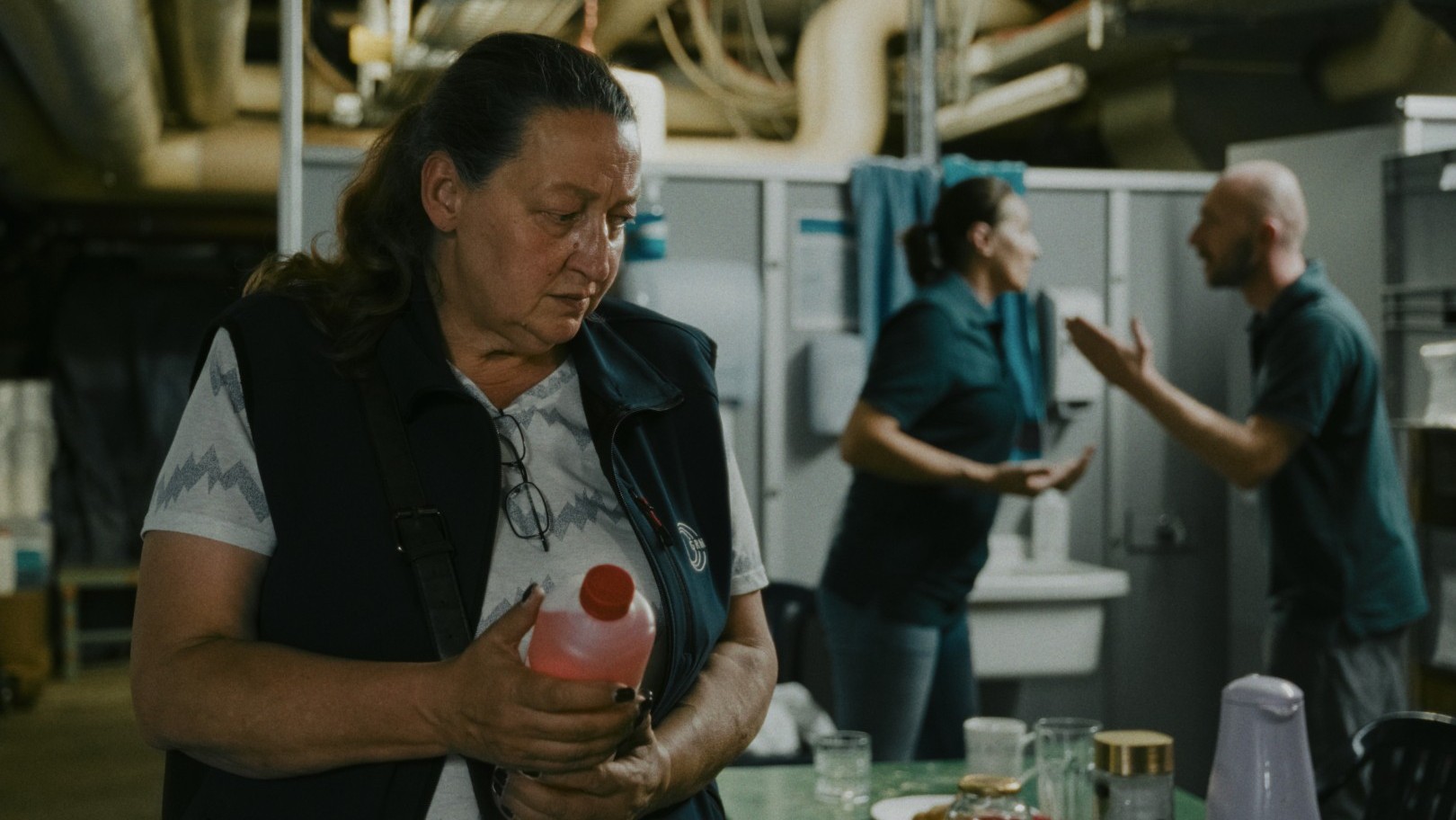
The film “I Understand Your Displeasure” (Ich verstehe Ihren Unmut), directed by Kilian Armando Friedrich, will premiere on February 13, 2024, at the Berlin International Film Festival. This feature marks Friedrich’s directorial debut, presenting a stark look into the often-overlooked cleaning sector. The film addresses the intense pressures faced by workers in this low-wage industry, inviting audiences to connect with the human experiences behind the work.
The narrative centers around Heike, portrayed by Sabine Thalau, a 59-year-old customer service manager at a cleaning company. Heike’s role requires her to mediate between clients, management, and cleaning staff, illustrating the conflicting demands inherent in the profession. Her ambition to secure more hours for a subcontractor leads her to consider difficult decisions, including potentially dismissing one of her employees. This moral dilemma raises the question: how far will one go to navigate the challenges of a cut-throat business?
Friedrich, who co-wrote the screenplay with Tünde Sautier and Daniel Kunz, aims to shine a light on the emotional toll that such work environments impose. “I want to create visibility and, together with our protagonist Heike, search for a moment of happiness instead of surrender,” he stated in an interview. He draws from personal experiences that shaped his understanding of the industry’s pressures.
The film is notable for its casting of non-professional actors, a decision rooted in Friedrich’s background in documentary filmmaking. He believes that these individuals bring authenticity, allowing for a vivid portrayal of the cleaning sector’s realities. “They are experts in the world I want to tell a story about,” he explained. The cast includes actors such as Nada Kosturin, Werner Posselt, Sadibou Diabang, and Nigyar Velagic, all contributing to a raw and immersive cinematic experience.
Friedrich’s approach emphasizes physical proximity to the characters, utilizing handheld cameras to eliminate any voyeuristic distance. This method intends to immerse viewers in the characters’ lives, conveying the stress and urgency they navigate daily. “We wanted to make sure we would not push our own aesthetics above the character,” he noted. The film eschews wide establishing shots and quick edits, aiming instead for an intense, continuous experience that resonates deeply with the audience.
The cleaning sector is often described as Germany’s largest craft sector, employing around 700,000 formally registered workers. However, many others operate informally, underscoring the industry’s economic significance and the precarious conditions many workers face. Friedrich’s film seeks to address these issues, highlighting the moral conflicts and lack of recognition that pervade the cleaning profession.
“I started to research to really find out more about the moral conflicts facing these people every day,” Friedrich said. He pointed out that the market has devolved into price wars, with clients often prioritizing low costs over quality. This dynamic perpetuates the stereotype of cleaning as a low-skill job, further diminishing its perceived value.
The director’s influences include the early works of the Dardenne brothers, whose films often explore individual experiences against broader societal issues. Friedrich articulated a desire to evoke empathy and connection with characters who might otherwise go unnoticed. “Films that allow me to walk out of the cinema and feel connected to a person I used to ignore resonate with me,” he remarked.
As for the future, Friedrich is already developing new projects, including a story about a parent and child navigating complex family dynamics. His commitment to exploring human experiences in challenging contexts continues to drive his artistic vision, promising further insights into the lives of those often left in the shadows.
“I Understand Your Displeasure” not only aims to entertain but also to enlighten, providing a poignant look at the hidden struggles within the cleaning sector and inviting viewers to reflect on the human cost of low-wage labor.
















