









































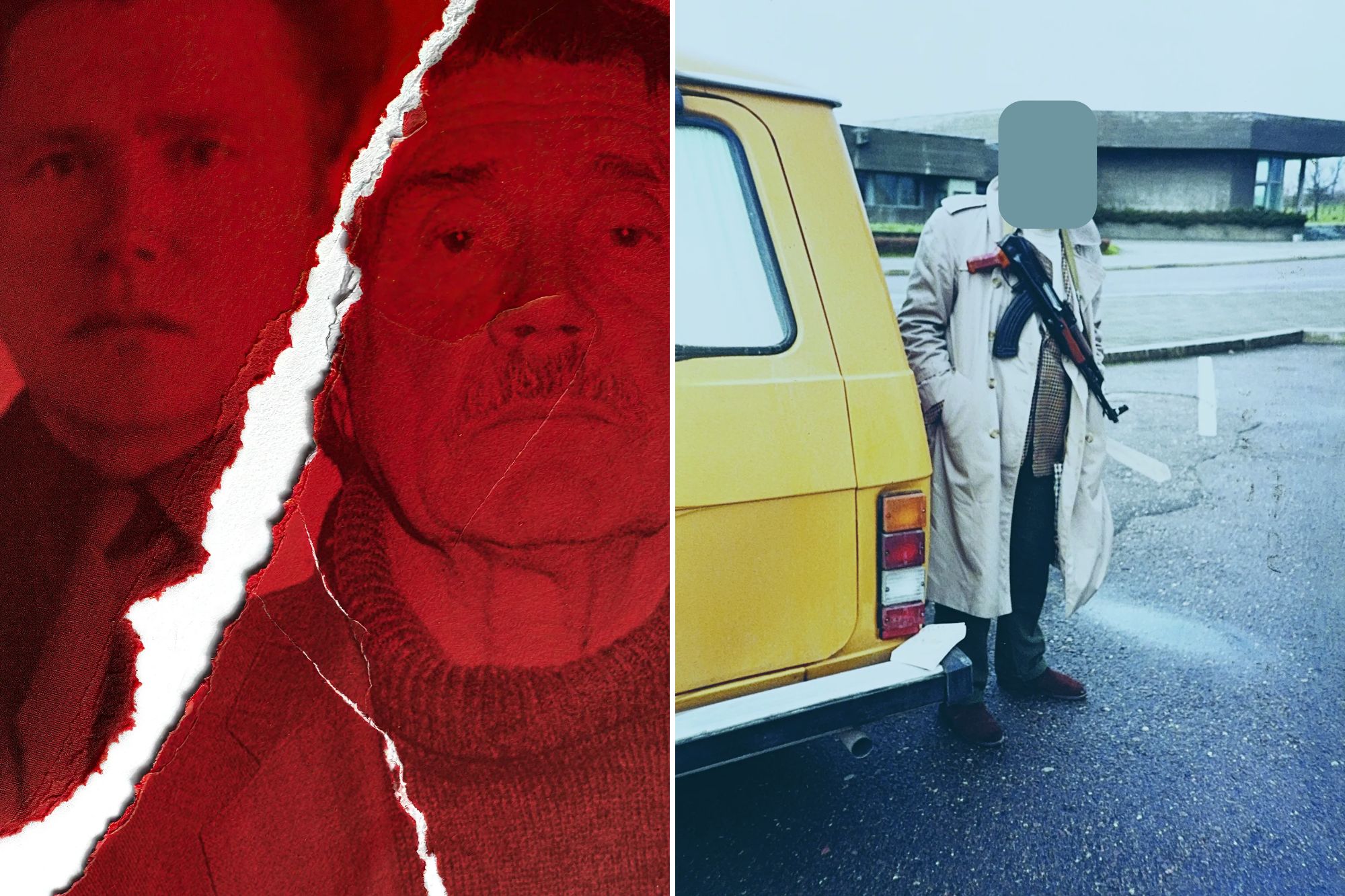
On November 7, 1992, a significant event unfolded at the docks of Klaipėda, Lithuania, precisely 75 years after the Bolshevik Revolution. A yellow minibus marked “Baltic Tours” arrived, carrying a group that included British intelligence officers and a retired KGB archivist, Vasili Mitrokhin, who was about to defect with a vast collection of Soviet intelligence secrets. This collection included handwritten notes that detailed years of KGB operations, identifying spies and exposing methods used to suppress dissent.
As the group disembarked, tension filled the air. Vasili’s son, Vladimir, believed they were on a medical trip until he realized the truth. “You’re a spy,” he confronted his father, and then added, “Traitor.” The urgency of their situation escalated when it became clear that KGB agents might be watching. British operative James urged his Russian counterpart, Robert, to ensure Vladimir boarded a boat quickly. In a tense moment, Robert forcibly lifted Vladimir to get him on board just in time to escape.
Vasili’s journey to that Lithuanian dock had deep roots in Soviet history. Born in 1922, he joined Soviet intelligence after World War II, but his career faced setbacks due to failed missions. In 1956, he was reassigned to the archives, a position often viewed as a dead-end for KGB personnel. However, this role opened his eyes to the extensive and often brutal tactics employed by the KGB, leading him to begin documenting what he referred to as a “trail of filth”—betrayals and murders committed in the name of Communist power.
Vasili secretly compiled a vast archive of KGB operations over 12 years. He meticulously created notes in a personal code and later typed them up on an old typewriter, concealing them in various containers at his home. His wife, Nina, and his family remained unaware of his clandestine activities.
The collapse of the Soviet Union in 1991 provided Vasili with a window of opportunity. In March 1992, he approached the British Embassy in Vilnius, carrying a duffel bag filled with his notes. A young diplomat quickly recognized the significance of the materials. Vasili’s archive soon became known as the most extensive intelligence windfall of the Cold War, revealing numerous KGB agents and operations, including high-profile espionage cases.
However, getting Vasili and his family out of the Soviet sphere proved challenging. He insisted that his wife and son accompany him, prompting British intelligence to devise a complex exfiltration plan disguised as a medical trip. Unfortunately, neither Vladimir nor Nina’s elderly mother understood they were defecting until their arrival at the docks in Klaipėda.
After a harrowing boat journey through a storm, the Mitrokhin family reached Britain. Over time, Vladimir came to terms with his father’s actions, while the family settled into their new life. Vasili’s archive was published posthumously, revealing the dark history of Soviet espionage.
Vasili lived in quiet exile near London until his death in 2004. He continued to hope that Russians would learn the truth about their past and the nature of the KGB’s successor agencies. In 1999, he expressed concerns about the continuity of KGB practices, warning that the same people and organizations still pursued similar aims.
The Mitrokhin Archive serves as both a historical record and a cautionary tale about the persistence of oppressive tactics in governance. As contemporary Russia, under the leadership of former KGB officer Vladimir Putin, engages in military actions and suppresses dissent, Vasili’s insights underscore the enduring relevance of his revelations. His life and defection highlight the complexities of loyalty, truth, and the legacy of a regime that, despite its formal dissolution, retains echoes in today’s political landscape.
















