




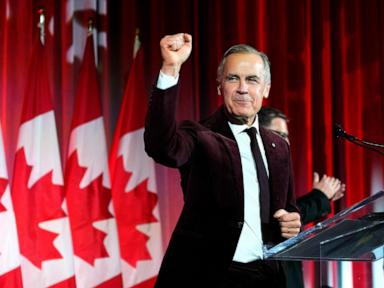


































The governments of Canada and the United States will commence formal discussions to review their free trade agreement in mid-January 2024. The announcement was made by the office of Canadian Prime Minister Mark Carney, who confirmed that Dominic LeBlanc, the designated trade representative, will engage with U.S. officials to initiate these talks.
The discussions will focus on the United States-Mexico-Canada Agreement, known as USMCA, which is slated for review in 2026. The agreement, negotiated during Donald Trump‘s presidency, includes a provision for potential renegotiation in the coming years. Prime Minister Carney provided this update during a meeting with Canada’s provincial leaders, emphasizing the importance of trade relations with the U.S.
Significance of Trade Relations
Canada’s economy is heavily reliant on trade, with over 75% of its exports directed to the United States. This relationship is vital, as nearly $3.6 billion Canadian (approximately $2.7 billion USD) worth of goods and services cross the border daily. Furthermore, Canada supplies about 60% of U.S. crude oil imports and 85% of U.S. electricity imports, making it a crucial partner in energy and resources.
During the meeting, Carney highlighted that tariffs have negatively impacted several sectors of the Canadian economy, notably aluminum, steel, automotive, and lumber industries. He noted that trade discussions are not only centered on these tariffs but also encompass broader trade irritants identified by U.S. Trade Representative Jamieson Greer. Greer indicated that the upcoming review will be contingent on resolving U.S. concerns regarding Canadian policies related to dairy products, alcohol, and digital services.
Challenges and Opportunities Ahead
Previously, trade negotiations faced challenges when Trump halted discussions aimed at reducing tariffs after an advertisement by the Ontario provincial government opposed such tariffs. This advertisement, which ran in the U.S., followed a period of tension, which has since eased, stemming from Trump’s remarks suggesting Canada should consider becoming the 51st U.S. state.
Despite these challenges, Carney expressed optimism about the potential for improved trade relations. He indicated that both nations were nearing an agreement on sectoral tariff relief before the negotiations were disrupted. Carney also emphasized the importance of access to Canada’s critical minerals and metals, which are of significant interest to U.S. national security. He stated, “It’s a potential opportunity for the United States, but it’s not an assured opportunity for the United States.”
Looking ahead, Carney and the provincial premiers plan to meet in person in Ottawa early in the new year to further discuss the trade agenda. With Canada being the top export destination for 36 U.S. states, the outcome of these discussions could have substantial implications for both economies.
As the discussions approach, stakeholders from various sectors will be closely monitoring the developments, hoping for a resolution that benefits both nations while addressing existing trade disparities.