







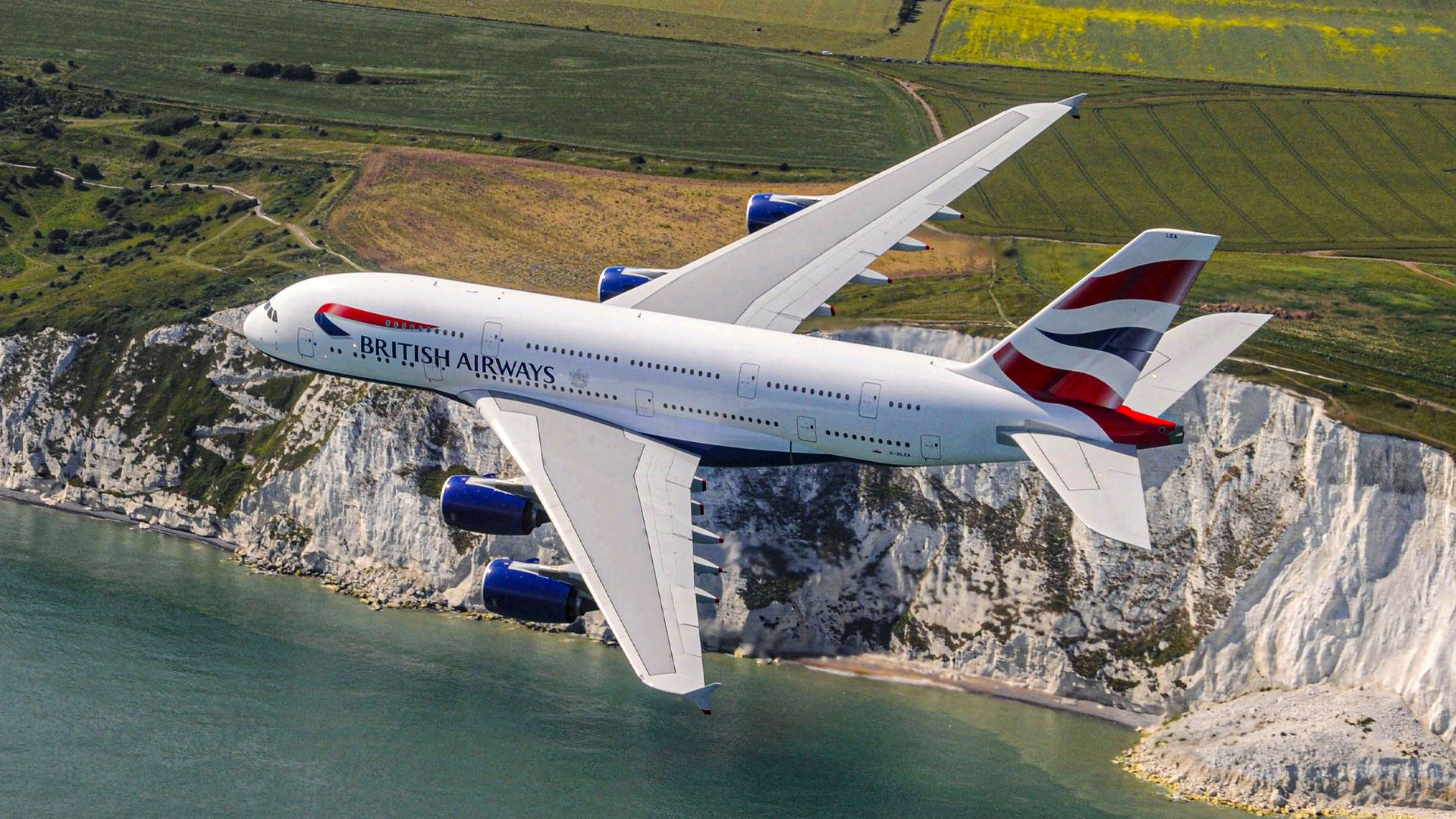
































British Airways has announced its ten least popular routes to the United States for the period between December 2024 and November 2025. The airline, which is the largest European carrier operating transatlantic flights, transported a total of 7.6 million passengers during this timeframe. Despite this impressive figure, some routes struggled to attract travelers, leading to notable changes in operations.
Overview of Load Factors and Route Performance
According to data from Cirium Diio, British Airways operated 28 routes to the US during the examined period. However, two routes—London Gatwick to New York JFK and Gatwick to Las Vegas—have since ceased operations, with the last flights occurring in October 2025. As a result, the airline has consolidated its services at London Heathrow, adding additional flights to other destinations to compensate for the lost capacity.
The average seat factor across all 28 routes stood at 84.4%, slightly surpassing the overall average of 83.0% for all airlines flying between Europe and the US. British Airways ranked 13th in load factors among its European competitors, with other airlines such as TAP Air Portugal (87.3%), Air France (86.4%), and Iberia (86.0%) performing better. Notably, British Airways was second only to Norse Atlantic on the UK-US routes, which achieved a load factor of 88.8%.
Routes with the Lowest Load Factors
The following table outlines the ten US routes with the lowest load factors for British Airways:
– Gatwick-Tampa: 69.4% with 141,128 round-trip passengers
– Gatwick-Las Vegas: 75.9% with 41,043 round-trip passengers (route has now ended)
– Heathrow-Atlanta: 76.4% with 126,866 round-trip passengers
– Heathrow-Washington Dulles: 77.6% with 414,646 round-trip passengers
– Heathrow-Dallas/Fort Worth: 77.8% with 84,353 round-trip passengers (operated until March 2025, returned in October)
– Heathrow-Houston Intercontinental: 77.9% with 238,041 round-trip passengers
– Heathrow-Denver: 80.7% with 180,034 round-trip passengers
– Gatwick-Orlando: 81.1% with 299,798 round-trip passengers
– Heathrow-New Orleans: 81.1% with 88,128 round-trip passengers
– Heathrow-Baltimore: 82.7% with 148,222 round-trip passengers
The Gatwick-Tampa route has become British Airways’ lowest-performing US route, a position it has held since its inception in 1985. Various leisure-focused airlines have entered the market, including Virgin Atlantic, which began its own Heathrow-Tampa flights in 2022. The competition has impacted BA’s performance, particularly during quieter months when the airline operated fewer flights. In February 2025, British Airways filled only 52.3% of its seats on this route, while Virgin’s load factor was marginally better at 58.1%.
Conversely, the Heathrow-Atlanta route, which recorded a load factor of 76.4%, represents another challenge for British Airways. The route faced stiff competition from Delta Air Lines and Virgin Atlantic, which together offer a more frequent service from Heathrow. Delta’s load factor for the same period was significantly higher at 85.7%, benefiting from its position as a SkyTeam hub and its extensive network.
As British Airways navigates these challenges, it continues to adjust its strategy. The airline plans to add two daily flights to the Tampa route in the coming months, indicating a potential shift in approach to improve performance.
The future trajectory of British Airways’ US routes will depend largely on market conditions and competition. As the airline seeks to optimize its operations, it will need to adapt to the dynamic nature of transatlantic travel.
















