









































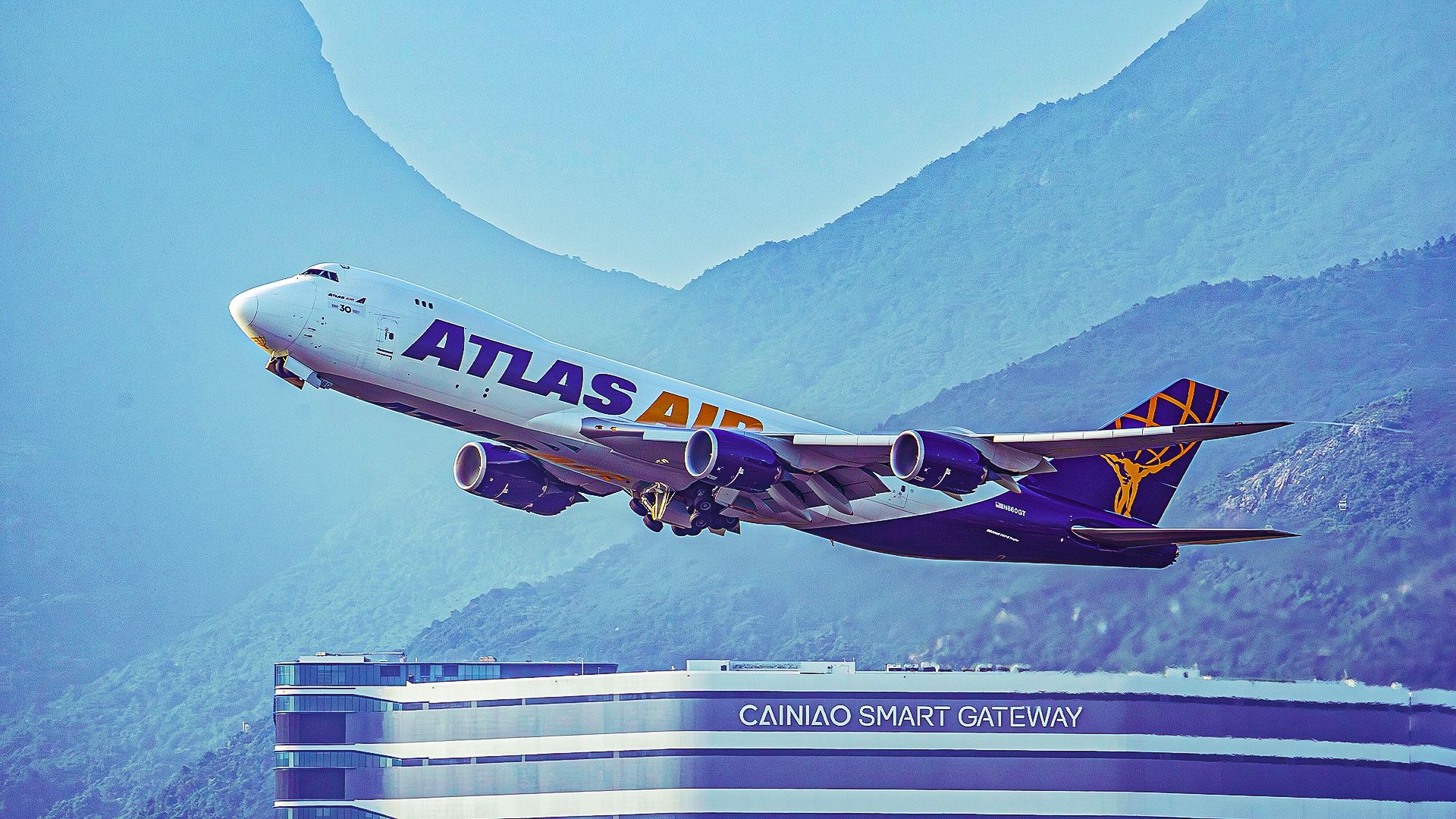
The Boeing 747-8, a modern iteration of Boeing’s iconic aircraft, is not poised for retirement anytime soon. Currently, there are 28 active Boeing 747-8 jets in operation, primarily with three carriers: Lufthansa, Air China, and Korean Air. These aircraft remain relatively young, with the newest models being around eight years old, while the oldest are approaching 15 years since delivery. This age profile indicates strong potential for continued service, as well-maintained long-haul aircraft can operate effectively into their 20s.
The 747-8 stands out due to its unique capabilities. It provides not only high passenger volumes but also significant belly cargo capacity, making it an invaluable asset for airlines. The operational framework for the 747-8 is concentrated in regions where demand justifies its continued use. Lufthansa operates the largest portion of this fleet, while Air China and Korean Air maintain smaller fleets for high-density routes.
Current Operators and Their Plans
Of the 28 active 747-8 aircraft, Lufthansa operates 16, Air China has six, and Korean Air manages four. Notably, Lufthansa’s fleet primarily consists of aircraft aged between 10 and 14 years, with one projected for retirement by the end of 2023. In contrast, Korean Air’s jets are younger, with retirements beginning in 2031. This selective approach to retirement underscores that these airlines still see value in the model.
As airlines face growing demands for capacity, the 747-8 provides a solution due to its ability to carry a large number of premium and economy passengers, especially on routes constrained by airport slots. The aircraft’s operational advantages make it a key player during peak travel periods.
The Broader Picture for Boeing 747-8 Operations
Beyond commercial airlines, the Boeing 747-8’s longevity is further supported by its use as a VIP transport for governments. Notable operators include the Egyptian Air Force and the Republic of Korea Air Force, which utilize the aircraft for official transport, featuring customized interiors focused on security and long-range capabilities. This adaptability enhances the aircraft’s relevance well beyond typical passenger operations.
Additionally, the Boeing 747-8 Freighter has cemented its role in the cargo sector, with multiple carriers relying on its capacity for oversized shipments. The ongoing demand in freight operations indicates that the aircraft will continue to be a significant part of the aviation landscape, ensuring the availability of parts and maintenance support for its passenger variants.
Looking ahead, the future of the Boeing 747-8 appears stable. With the production line having closed following the last delivery in January 2023, the remaining operators are likely to maintain their fleets for the foreseeable future. Korean Air plans to keep its jets operational until at least January 2031, and Lufthansa shows no immediate intention for a large-scale retirement.
The aircraft’s robust operational profile, coupled with the continued importance of its passenger and cargo capabilities, suggests that the Boeing 747-8 will remain in service longer than many other models. Its unique blend of passenger capacity and cargo flexibility allows it to fulfil roles that few other jets can match.
The United States government also plays a critical role in the future of the Boeing 747-8. Two modified 747-8I jets are under the VC-25B program, destined to replace the existing executive transport fleet. These aircraft are expected to start entering service in 2028, further extending the operational life of the 747-8 beyond typical commercial use.
In conclusion, the Boeing 747-8 is positioned to remain a vital part of both commercial and governmental aviation for years to come. With a limited number of operators and specific use cases that leverage its unique capabilities, the 747-8 is not simply a remnant of aviation history but rather a significant player in the current and future landscape of air travel.
















