



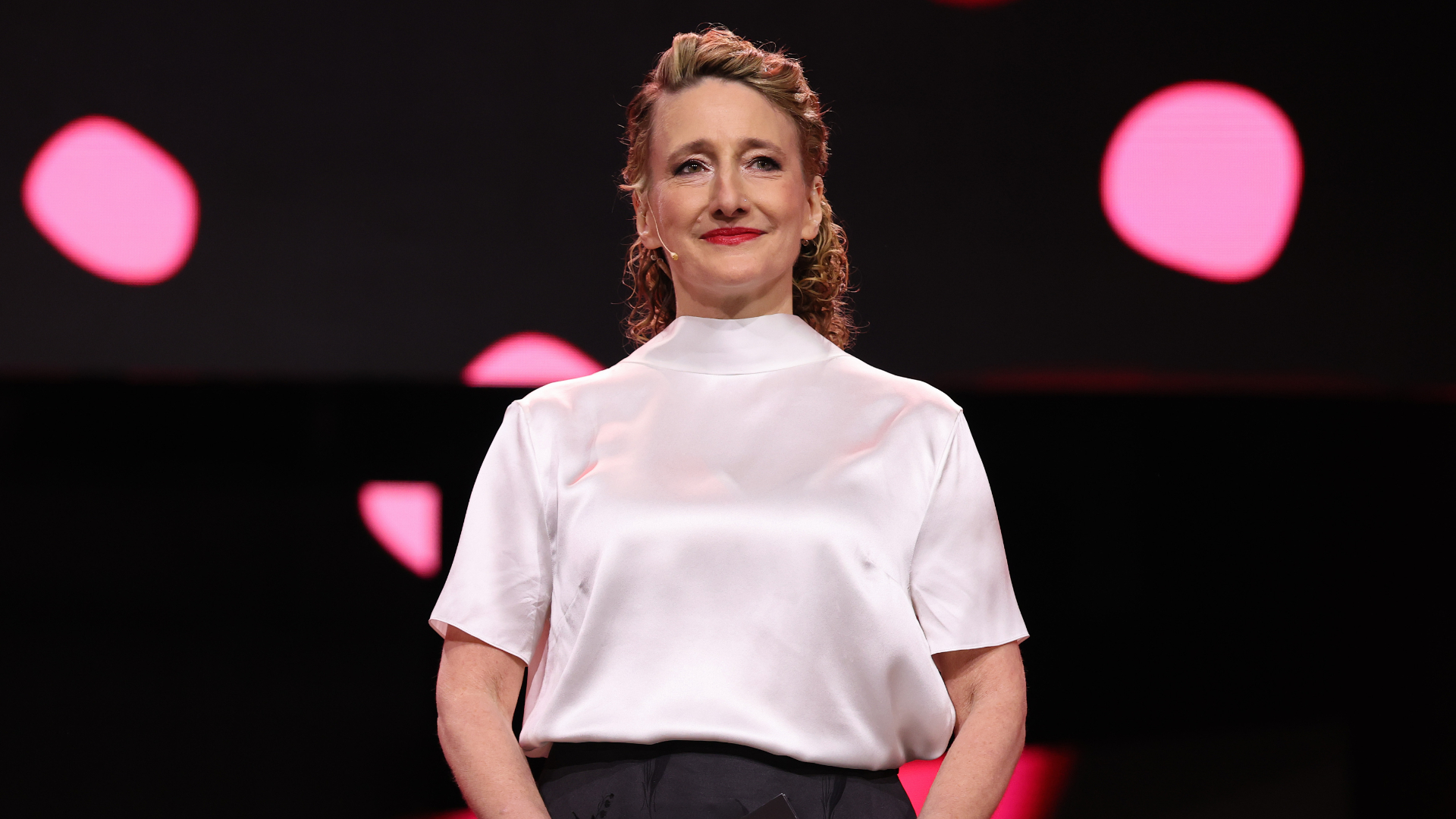





























The Berlin Film Festival will see Tricia Tuttle remain as its director but under new conditions, including a “code of conduct” that features a focus on antisemitism, according to reports from German media. This decision comes after considerable pressure from various political factions and public outcry following controversial statements made during this year’s festival.
Reports indicate that the German Culture Ministry was unable to finalize a separation deal with Tuttle, who has three years remaining on her five-year contract. Instead, she will accept the establishment of a new advisory board and a mandatory code of conduct for all festival participants, which will include a specific prohibition against antisemitism.
Tuttle has faced intense scrutiny since the awards ceremony on February 21, 2024, during which filmmaker Abdallah Al-Khatib made pro-Palestinian remarks. Al-Khatib, who received the top award in the Perspectives section for his film *Chronicles From the Siege*, criticized the German government, accusing it of complicity in the ongoing conflict in Gaza. This incident prompted a walkout by German Federal Environment Minister Carsten Schneider from the ceremony.
The criticisms intensified when Tuttle was photographed on February 15 with the *Chronicles From the Siege* team, including individuals wearing keffiyehs and displaying Palestinian flags. In an interview with the Rheinischen Post, Wolfram Weimer, the German Culture Minister, condemned the festival’s atmosphere, labeling it as rife with “hate speech” and “activist attacks,” underscoring the necessity for a revised code of conduct to mitigate such occurrences in the future.
As the primary financial supporter of the Berlinale, the German government contributes approximately 40 percent of the festival’s budget. Yet, the legality of enforcing a new code of conduct that aligns with Germany’s free speech laws remains uncertain. Bild reports that the Culture Ministry also seeks to enhance the festival’s appeal to Hollywood stars, although the methodology for achieving this amid perceived political censorship is unclear.
Calls for Tuttle’s resignation have largely stemmed from members of the conservative CDU party, part of Germany’s ruling coalition. CDU parliamentarian Ellen Demuth expressed the need for a “fundamental overhaul” of the Berlinale, suggesting that discussions should ultimately culminate in Tuttle’s replacement.
In contrast, Sven Lehmann, of the Green Party and chairman of the culture and media committee, publicly supported Tuttle. He praised her resilience amid the backlash and emphasized the importance of restoring trust between the government and the Berlinale team. Lehmann called for a comprehensive plan that addresses how to handle politically polarizing statements, insisting that the festival remain a space for free cultural exchange rather than intimidation.
In light of the controversy surrounding her leadership, Tuttle has garnered support from numerous film industry professionals. A coalition of over 32 global film festival directors, including notable figures like Thierry Frémaux of Cannes and Eugene Hernandez from Sundance, issued an open letter backing Tuttle’s continuation as Berlinale director.
As the festival approaches, the implications of the new measures and the evolving dynamics between political expression and artistic freedom remain critical points of discussion within the global cultural community. The Hollywood Reporter has reached out to the Berlinale for further comment on these developments.
















