









































Bac Ninh, Vietnam, has emerged as a significant manufacturing hub as factories relocate from China, driven by trade tensions and tariffs. This transformation showcases the city’s shift from traditional rice fields and folk songs to a bustling industrial zone, attracting substantial foreign investment. The influx of companies, particularly from China, highlights Bac Ninh’s pivotal role in the global manufacturing landscape.
The surge in investment began around 2008 when Samsung established its first phone factory in Bac Ninh, ultimately making Vietnam its largest offshore manufacturing base. This trend accelerated following tariff hikes implemented by former U.S. President Donald Trump. As tensions between Washington and Beijing escalated, many factories relocated to Vietnam to avoid tariffs and benefit from its growing labor force and supportive local governments.
While Bac Ninh has thrived, challenges loom on the horizon. Rising labor costs, which have increased by 10% to 15% since 2024, coupled with worker shortages and inadequate infrastructure, threaten to hinder further growth. The region is competing with countries like Indonesia and the Philippines, which are vying for foreign investment and projects.
To maintain its momentum, Vietnam is striving to move into higher-value manufacturing sectors and expand its export markets. A recent example of this effort is the ongoing expansion of an industrial zone in Bac Ninh dedicated to high-tech manufacturing, including electronics, pharmaceuticals, and clean energy. This initiative is part of a broader national strategy that involves launching 234 major projects worth over $129 billion ahead of a key National Party Congress scheduled for January.
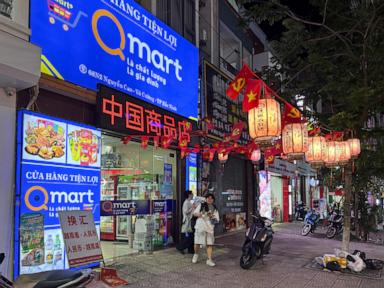
The cultural landscape of Bac Ninh is also adapting to its industrial identity. Convenience stores branded with names like Tmall, after Alibaba’s flagship platform, signal the growing presence of Chinese investment. Language schools have opened to facilitate communication between the local workforce and Chinese companies, reflecting the increasing integration of the two economies.
Despite these advancements, Bac Ninh faces significant obstacles. As companies compete for labor, costs are rising, complicating the “China plus one” strategy that encourages businesses to diversify their manufacturing locations. Jacob Rothman, CEO of Velong Enterprises, noted that while Vietnam is an attractive option, it cannot replicate the extensive manufacturing ecosystem China has developed over decades.
Infrastructure and logistics remain areas where Vietnam lags behind China. Brian Bourke, global chief commercial officer at SEKO Logistics, pointed out that while many companies continue to relocate their manufacturing to Vietnam, infrastructure limitations can impact efficiency. In response, Bac Ninh is offering incentives to attract and retain workers, such as higher wages, bonuses, and transportation subsidies.
As of 2024, Vietnam recorded a trade surplus of $123.5 billion with the U.S., making it one of the primary beneficiaries of the trade war. Although negotiations between the U.S. and Vietnam are ongoing, with an agreement to maintain tariffs at 20%, uncertainties persist. This environment compels companies to consider diversifying their manufacturing bases beyond Vietnam to mitigate risks associated with potential trade restrictions.
Looking ahead, Vietnam’s leaders have ambitious goals. They aim to transform the country into Asia’s next “tiger economy” by transitioning from low-cost assembly to producing higher-value goods, including electronics and clean energy equipment. To support this vision, the government is implementing tax incentives and modernizing facilities, as approximately one-third of current operations rely on non-automated equipment.
As Bac Ninh and Vietnam navigate these complexities, the stakes are high. Prime Minister Pham Minh Chinh emphasized the need for Vietnam to “reach far into the ocean, delve deep underground and soar high into space,” reflecting the nation’s aspiration to secure its place on the global manufacturing stage. The future of Bac Ninh will depend on its ability to balance growth with the challenges of rising costs and competition, ensuring it remains a vital player in the evolving landscape of international manufacturing.
















