































On March 6, 2024, Australia implemented a ban on social media platforms for users under the age of 16, igniting a significant conversation about youth access to digital spaces. The new legislation prohibits access to popular sites, including Snapchat, TikTok, and Instagram, aimed at protecting young individuals from online bullying and exploitation. Despite the ban, many teens quickly found ways to return to these platforms, often creating new accounts or using photographs of older acquaintances to bypass age verification systems.
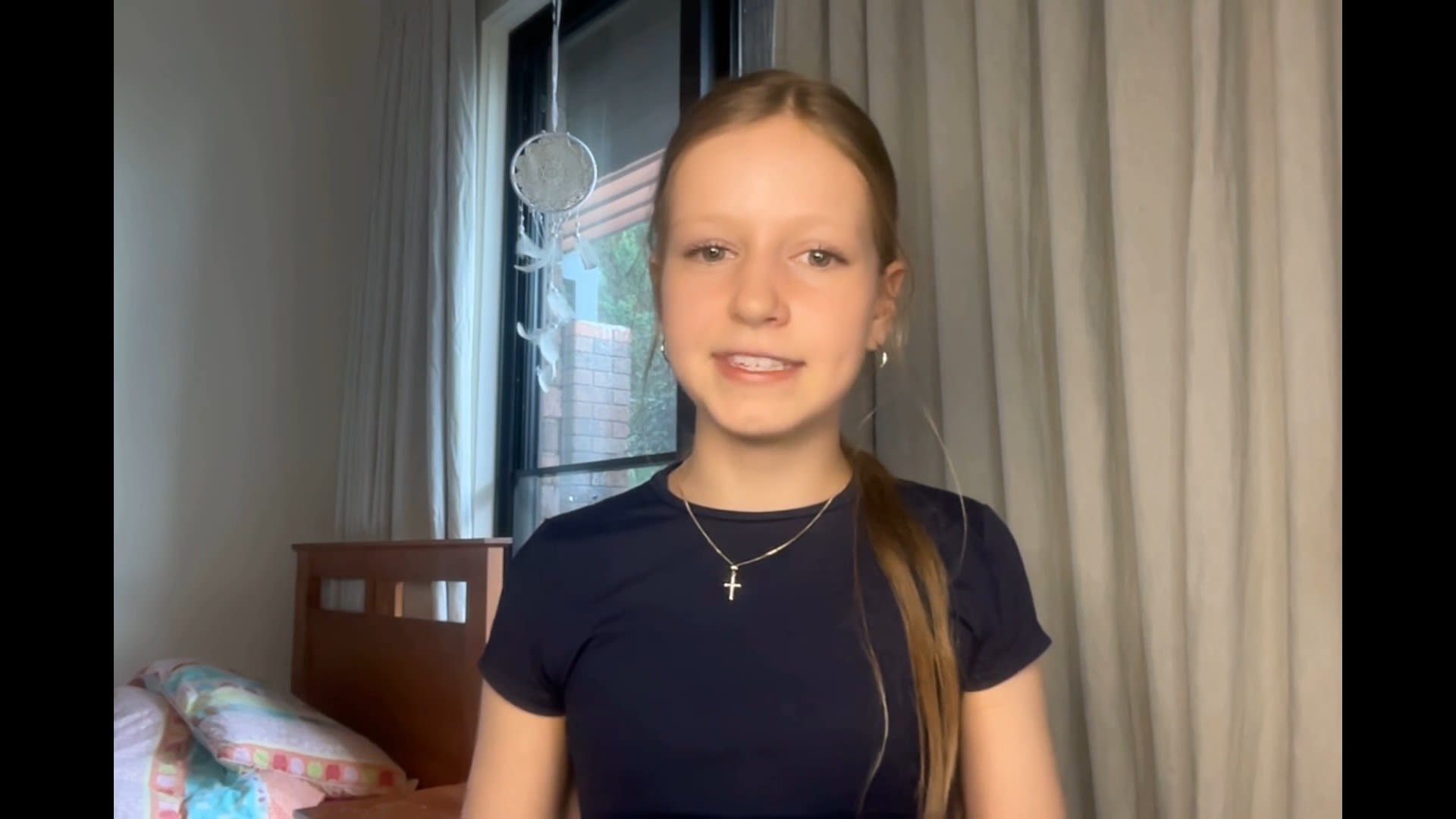
Teenagers across Australia reported mixed experiences with the ban. Fourteen-year-old cheerleader Lucy Brooks initially lost access to friends on Snapchat but saw them reappear within a day. “A lot of the time it was with the parents’ knowledge, but people are also using AI-generated pictures to get past it,” she explained, discussing the creative strategies teens have employed. This trend mirrors tactics used by young people in the United Kingdom, where similar age restrictions were introduced.
While age verification technology purports to assess user ages accurately, its effectiveness is questioned. Critics argue that the bans may not significantly deter youth from accessing the platforms they frequent. In fact, many under-16s have resumed activity on these sites, particularly those whose parents are supportive of their online presence.
Government Response and Community Impact
In a symbolic gesture to mark the ban’s introduction, Prime Minister Anthony Albanese hosted a barbecue at his Sydney residence, inviting families affected by cyberbullying. The event aimed to raise awareness of the dangers young people face online. As part of the celebration, the Sydney Harbour Bridge was illuminated in green and gold, accompanied by the campaign slogan “Let Them Be Kids.”
During a conversation in a park near the bridge, a group of 15-year-old boys shared their thoughts on the ban. One boy mentioned that he had been able to maintain his account due to providing a birth year of 2000 upon signing up. “It’s just easier to do it that way,” he noted. Another boy expressed his reluctance to lose access to Snapchat, describing it as a convenient means of communication without the hassle of exchanging phone numbers.
The ongoing debate about the ban also involves young entrepreneurs. Lucas Lane, a 16-year-old who founded his own business at 13, expressed concern over how the restrictions might impact his operations. “This social media ban is going to very much impact my business,” he stated, emphasizing the importance of social media for promoting his products and connecting with his community.
Legal Challenges and Public Sentiment
The introduction of the ban has not gone without opposition. Legal challenges have emerged, including a lawsuit from the popular online forum Reddit, which argues that the legislation raises significant privacy and political expression issues. The company has stated it is complying with the law while contesting its implications for internet users.
Teenagers on platforms like TikTok have humorously responded to the ban, with some jokingly discussing the potential for youth crime or switching to lesser-known apps. Others, such as aspiring singer Shar, found that their accounts remained active despite the new regulations. “I genuinely do not know a person who has had it shut down,” she remarked, expressing surprise at the lack of enforcement.
For many teens, the uncertainty surrounding their social media presence is anxiety-inducing. Lucy Brooks pointed out that her friends were worried about losing access to cherished memories stored on their accounts. She supports addressing harmful content on social media but believes that a total ban is not the solution. “I think children shouldn’t be on social media that much,” she said, suggesting that time limits would be a more effective approach.
As Australia navigates these new digital regulations, the balance between protecting young people and allowing them the freedom to connect online remains a contentious issue. The outcomes of the legal challenges and the effectiveness of the ban will likely shape future discussions about youth access to social media platforms.