









































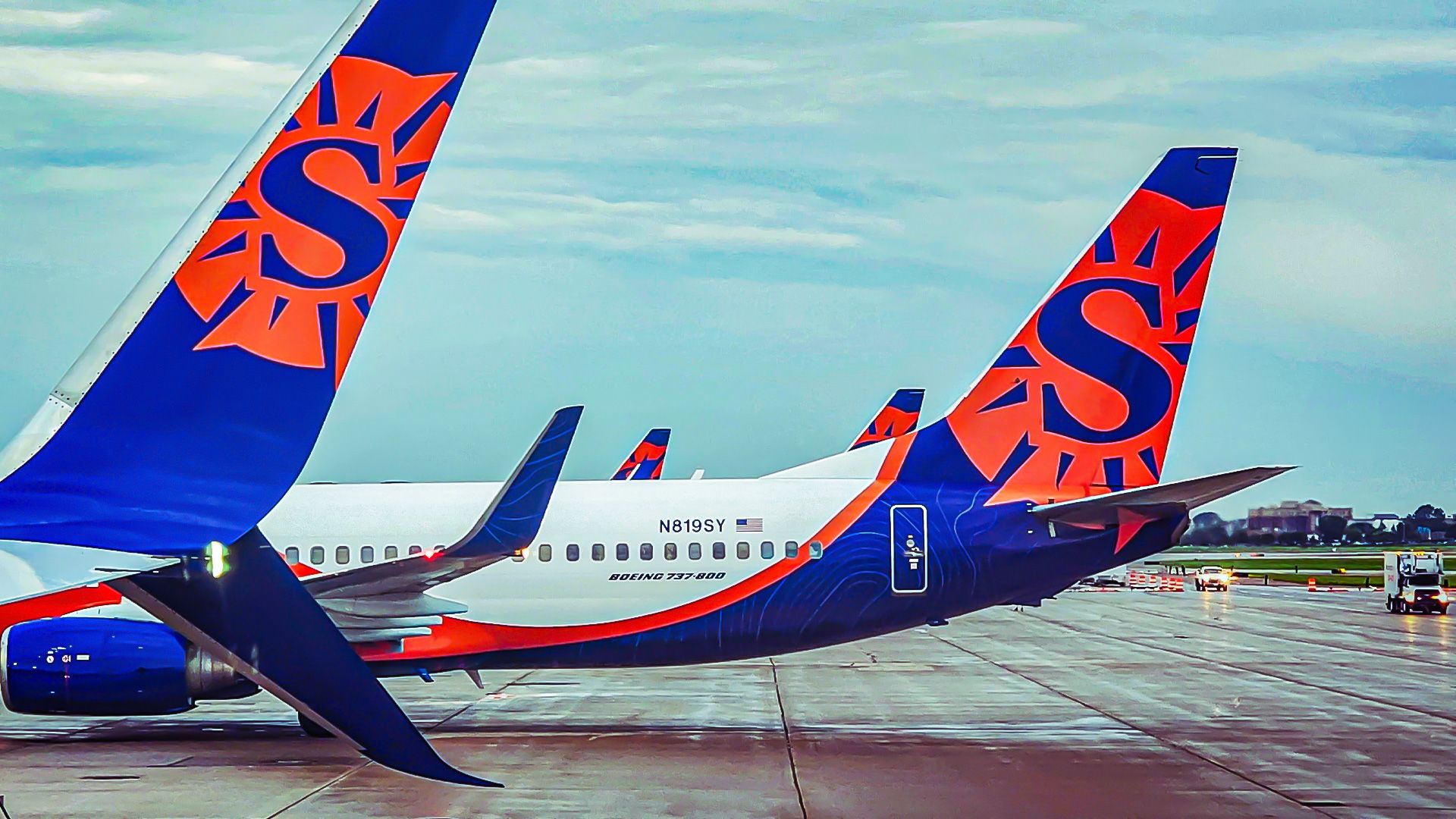
Allegiant Air has reached an agreement to acquire Sun Country Airlines for approximately $1.5 billion in a cash-and-stock transaction. This merger will integrate the Minneapolis-based airline into Allegiant’s broader leisure-focused network, headquartered in Las Vegas. Under the terms of the deal, shareholders of Sun Country will receive a combination of 0.1557 Allegiant shares and $3.10 in cash per share, resulting in an implied stock value of $18.89 and a premium of around 19.8% over the airline’s previous stock price.
Pending regulatory approval, the transaction is expected to close in the second half of 2026, removing Sun Country Airlines from the market. The merger aims to create a combined operation of more than 650 routes and approximately 195 aircraft, with anticipated annual cost synergies of about $140 million by the third year post-integration. For travelers in Minnesota, this merger promises increased seat availability and potentially lower fares at Minneapolis/St. Paul International Airport (MSP).
Details of the Merger
The merger was officially announced on January 11, 2026, and both companies held an investor call on the following day to provide further details. The regulatory process will include a review by the United States Securities and Exchange Commission (SEC) for the necessary proxy and registration materials, which is expected to take several months. Following this, shareholders of both airlines will vote on the merger. An antitrust review by US regulators will also be required before the deal can finalize.
Management anticipates that the merger will take a significant portion of 2026 to navigate regulatory reviews and plan the integration of operations. After closing, operations will continue separately until both airlines secure a single Federal Aviation Administration (FAA) operating certificate, a process that typically demands additional time for aligning training, procedures, and safety protocols.
Strategic Implications for Allegiant
For Allegiant, acquiring Sun Country represents a strategic move to enhance its leisure travel model and diversify its revenue streams. The two networks have limited overlap, allowing Allegiant to add new destinations without significant internal competition. The merger will also enable better utilization of Allegiant’s Boeing 737 MAX fleet.
The combined entity will serve around 175 cities across more than 600 routes, improving bargaining power in airport negotiations and operational efficiencies. Sun Country’s established presence at MSP offers Allegiant a substantial foothold in the Midwest, while its hybrid business model, which includes charter operations and an Amazon-contracted cargo service, adds further stability during periods of fluctuating vacation demand.
Allegiant anticipates achieving more than $140 million in cost and revenue savings by the third year, driven by improved procurement practices and fleet optimization. This merger positions Allegiant to expand its leisure network significantly while enhancing its overall financial resilience.
Sun Country’s Motivations for the Sale
Sun Country Airlines has clear incentives to pursue this acquisition. The merger provides immediate financial benefits to shareholders, with a cash-and-stock offering representing a 20% premium. As a smaller airline operating in a competitive market dominated by Delta Air Lines, this deal allows Sun Country to offload the burdens of being an independent low-cost carrier, especially in a challenging environment characterized by rising operating costs and demand variability.
The merger offers Sun Country a chance to maintain its relevance at MSP without shouldering all the risks associated with competition from Delta. By becoming part of a larger entity, Sun Country can leverage Allegiant’s resources while still preserving its charter business.
Impact on Passengers and the Competitive Landscape
For passengers, the merger could lead to increased flight options in the short term, although it signals a trend toward further consolidation in the airline industry. While both Allegiant and Sun Country have assured travelers that flights will continue as normal during the regulatory and shareholder processes, the long-term effects on fare competition remain uncertain.
Increased cooperation is likely to result in improved nonstop service and enhanced seat availability during peak travel seasons. However, the reduction of an independent low-cost carrier may lessen fare competition in certain markets, particularly if the merged airline opts to focus on leisure routes rather than directly competing with Delta.
At MSP, Sun Country currently serves as a key low-cost carrier against Delta’s dominant market share. The future approach of the combined airline under Allegiant’s management will be crucial. Analysts suggest that if the new entity withdraws from MSP to avoid direct competition with Delta, fares could rise, particularly in less trafficked routes where Sun Country’s low-cost service is currently vital.
As the merger proceeds, travelers should monitor how this consolidation may affect loyalty programs, fare structures, and overall service offerings.
This acquisition marks a significant shift in the US airline industry, reflecting ongoing trends of consolidation that have reshaped the market landscape over the past decade. With fewer low-cost carriers in operation, the competitive dynamics, especially in the realm of pricing, are poised for change as Allegiant integrates Sun Country into its operations.
















