









































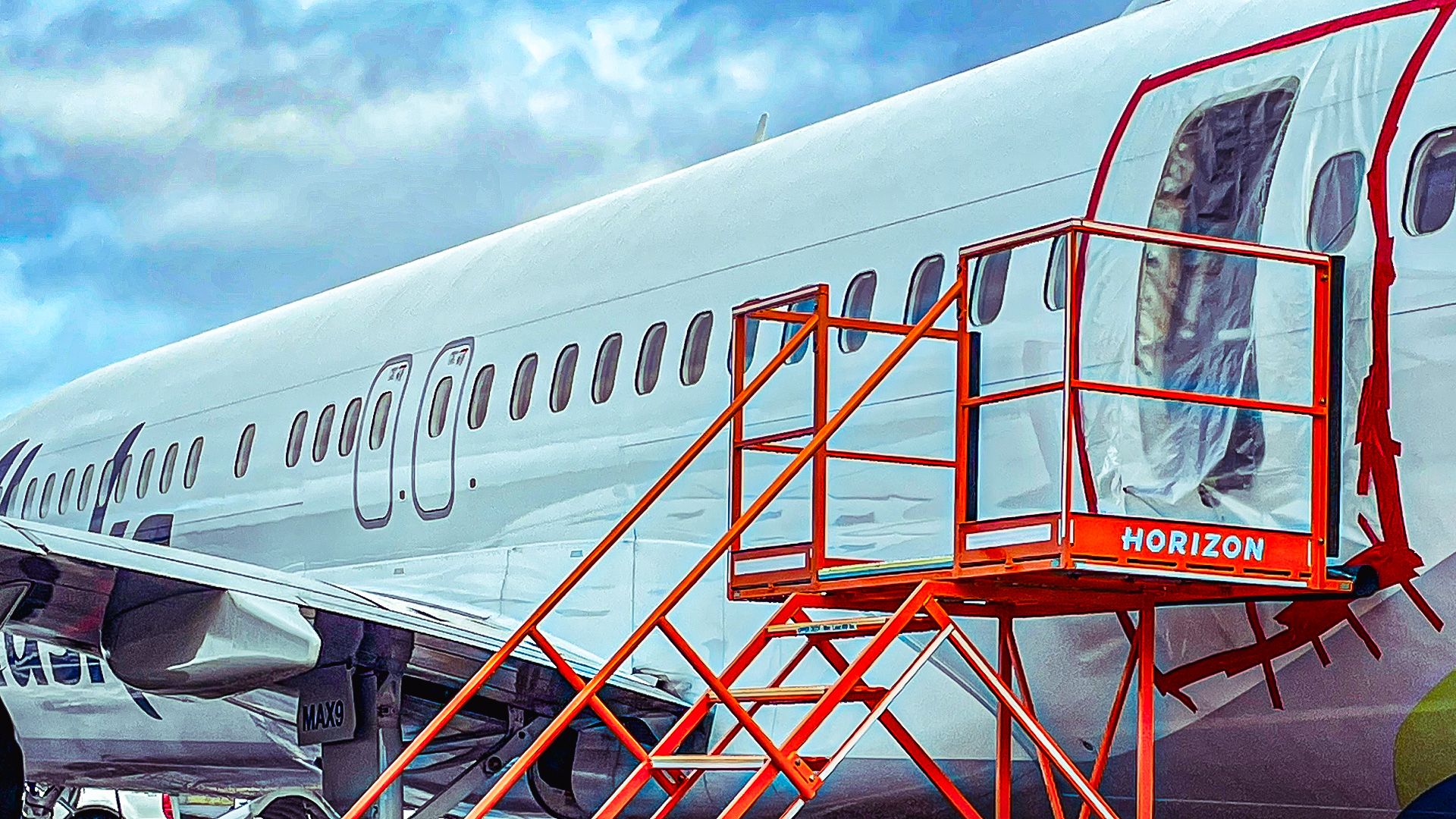
On January 5, 2024, Alaska Airlines flight 1282 encountered a serious incident when a door plug ejected midair. The Boeing 737 MAX 9 was ascending from Portland, Oregon, when the improperly installed door plug failed catastrophically, causing a significant drop in cabin pressure. Following this alarming event, Alaska Airlines opted to return the aircraft to Boeing, marking the end of its operational journey.
Alaska Airlines and Boeing reached an agreement for the manufacturer to buy back the aircraft, which was formally transferred back in late April 2024. Originally registered as N704AL, the aircraft has since undergone repairs by Spirit AeroSystems concerning the faulty door plug. Yet, despite these repairs, the aircraft has not returned to service, leading to speculation about Alaska’s decision to distance itself from the incident entirely.
A Critical Incident with Lasting Consequences
The incident on flight 1282 created a terrifying experience for the 177 passengers onboard, resulting in a significant operational and financial impact for Alaska Airlines. While there were no fatalities, the psychological effects on passengers and crew were profound. Eight individuals sustained minor injuries, and the 60-pound door plug landed in a residential area after falling from an altitude of approximately 15,000 feet.
In light of this traumatic incident, Alaska Airlines aimed to restore customer confidence by removing the aircraft from its fleet. The National Transportation Safety Board (NTSB) confirmed that Alaska was not at fault, attributing the incident to failures by both Boeing and Spirit AeroSystems. Specifically, four critical bolts had not been reinstalled during factory maintenance, which directly led to the door plug’s failure.
As Alaska Airlines continues to expand—having recently acquired Hawaiian Airlines and established international routes—protecting its brand image from negative publicity is paramount. The airline faced substantial financial repercussions following the grounding of its entire fleet of 65 Boeing 737 MAX 9 aircraft for about three weeks. This grounding resulted in approximately 110 to 150 flight cancellations daily, costing the airline around $150 million to $160 million in lost profits during the first quarter of 2024.
Legal Battles and Safety Concerns
In response to the incident, Alaska Airlines negotiated compensation with Boeing, receiving an initial payment of $160 million to cover immediate losses. Additionally, the airline is entangled in ongoing legal disputes, including a lawsuit from Captain Brandon Fisher, who is seeking $10 million in damages. Fisher alleges that Boeing attempted to deflect blame onto the crew, despite official findings indicating that the root cause lay in manufacturing errors.
The investigation into the incident uncovered systemic failures at both Boeing and Spirit AeroSystems. FAA inspectors discovered unapproved methods in the assembly process, and numerous critical failures during a six-week audit highlighted serious deficiencies in manufacturing practices. The NTSB’s findings pointed to a disconnect between Boeing’s management and factory workers, with assembly personnel fearing retaliation for reporting safety concerns.
In early 2026, Fisher filed his lawsuit, joined by four flight attendants who also reported severe physical and emotional trauma stemming from the incident. The flight attendants claim that Boeing’s negligence led to their injuries, including tinnitus and PTSD. Their experiences underscore the human impact of the incident, as they struggled to return to their professional duties after the traumatic event.
As Alaska Airlines moves forward, it has chosen to replace the 737 MAX 9 with the upcoming 737 MAX 10, contingent upon certification and delivery schedules. The decision to distance itself from the faulty aircraft reflects a strategic approach to safeguard its reputation and maintain customer trust in an increasingly competitive aviation market. The future of the ejected door plug and the aircraft itself remains uncertain, but the impact of flight 1282 will resonate within the industry for years to come.
















