









































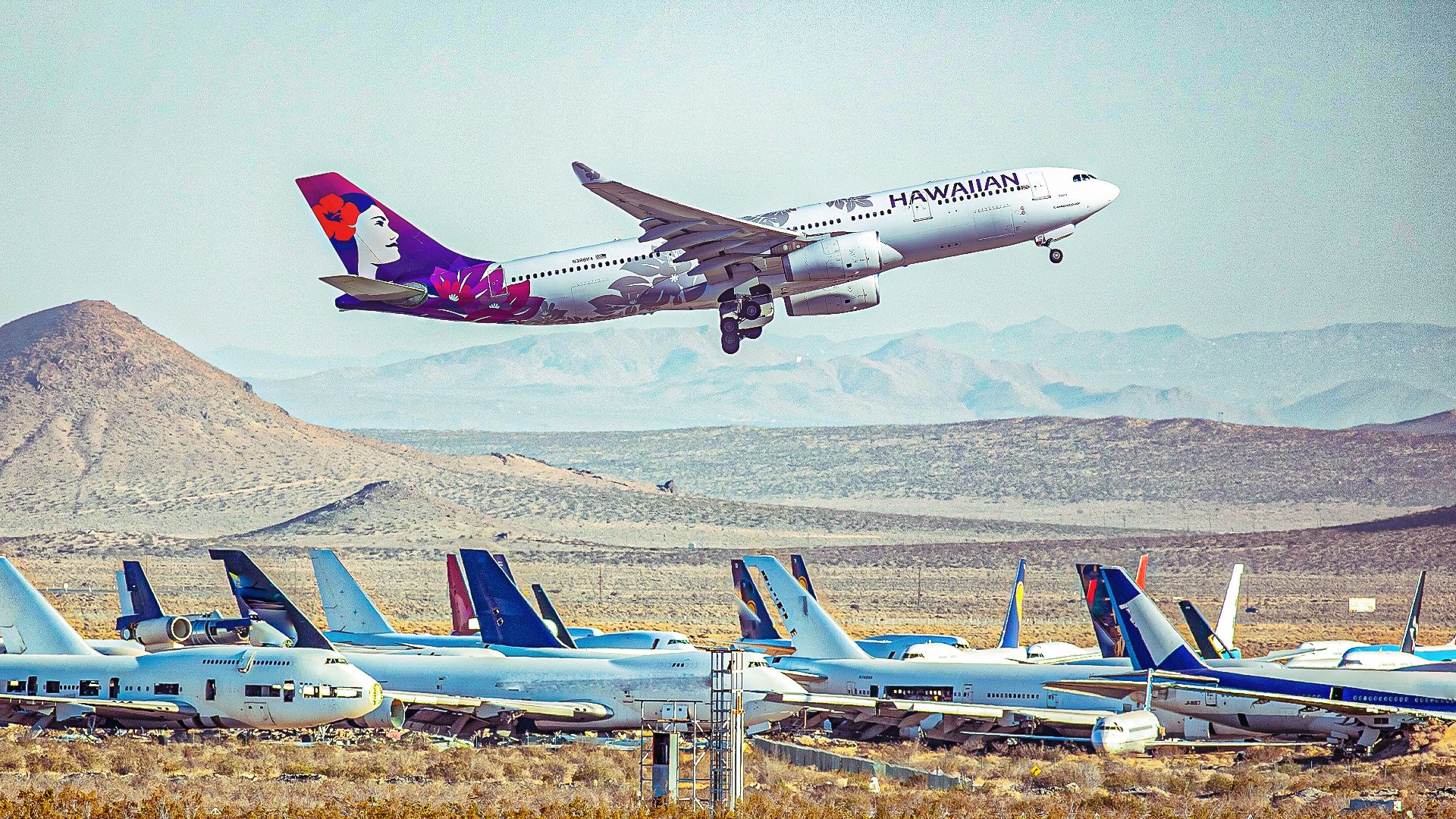
Hawaiian Airlines and Alaska Airlines entered a new chapter in their operational history following their merger in 2024. This union has positioned both airlines as prominent players in the airline industry, particularly on the US West Coast and in the Pacific region. As they continue to operate under separate brands, they now share leadership, influencing critical decisions about route networks, fleet management, and long-term strategies. One pressing question remains: what will happen to Hawaiian Airlines’ fleet of Airbus A330-200 aircraft, which has been integral to its long-haul services?
The Airbus A330-200 has served Hawaiian Airlines since its introduction, enabling the airline to establish a robust presence in international markets. With a capacity for approximately 294 passengers in a two-class configuration, these aircraft have allowed Hawaiian to connect travelers between the islands and various destinations across the mainland USA and beyond.
As the merger progresses, the future of these aircraft is under scrutiny. Alaska Airlines has its own fleet strategy and may have different priorities for its operations moving forward. The integration of two distinct fleets raises questions about whether the A330-200s will continue to align with the merged company’s goals.
Operational Implications of the Merger
The merger could lead to significant changes in operational strategies for both airlines. As they explore synergies, Alaska Airlines might prioritize the utilization of its existing fleet, which includes Boeing 737s and Airbus A320s, over keeping the older A330-200s in service. This focus could influence future route planning, especially on long-haul routes that Hawaiian Airlines has traditionally served.
Hawaiian Airlines has been known for its commitment to maintaining a fleet that reflects its unique brand and service ethos. The potential retirement of the A330-200s would represent a major shift in its operational capabilities. The airline’s leadership faces a challenge in balancing the need for modernization with the desire to retain a fleet that has become synonymous with its long-haul service offerings.
The decision to retire or retain the A330-200s will also be influenced by market demands and passenger preferences. The travel landscape has evolved post-pandemic, with airlines reassessing their fleets to adapt to changing consumer behavior. Hawaiian Airlines will need to evaluate whether the A330-200s can meet the current and future needs of its passengers, particularly as newer models, such as the Airbus A330neo and Boeing 787, become more prevalent in the market.
Looking Ahead
As both airlines navigate this merger, the future of Hawaiian Airlines’ Airbus A330-200 fleet remains uncertain. The leadership teams will need to make strategic decisions that balance operational efficiency with brand identity. Stakeholders, including employees and customers, will be watching closely for any announcements regarding the fate of these aircraft.
While the A330-200s have played a vital role in Hawaiian Airlines’ history, the evolving landscape of air travel may necessitate a shift towards more modern aircraft. The integration of Alaska Airlines and Hawaiian Airlines opens up new possibilities, but it also raises important questions about fleet management and the overall direction of both airlines.
As 2024 progresses, industry analysts and airline enthusiasts alike will keep a close eye on developments surrounding this merger and its implications for Hawaiian Airlines’ fleet. The decisions made in the coming months will shape the future of long-haul travel for this iconic airline, which has connected people to the Hawaiian Islands for decades.
















