









































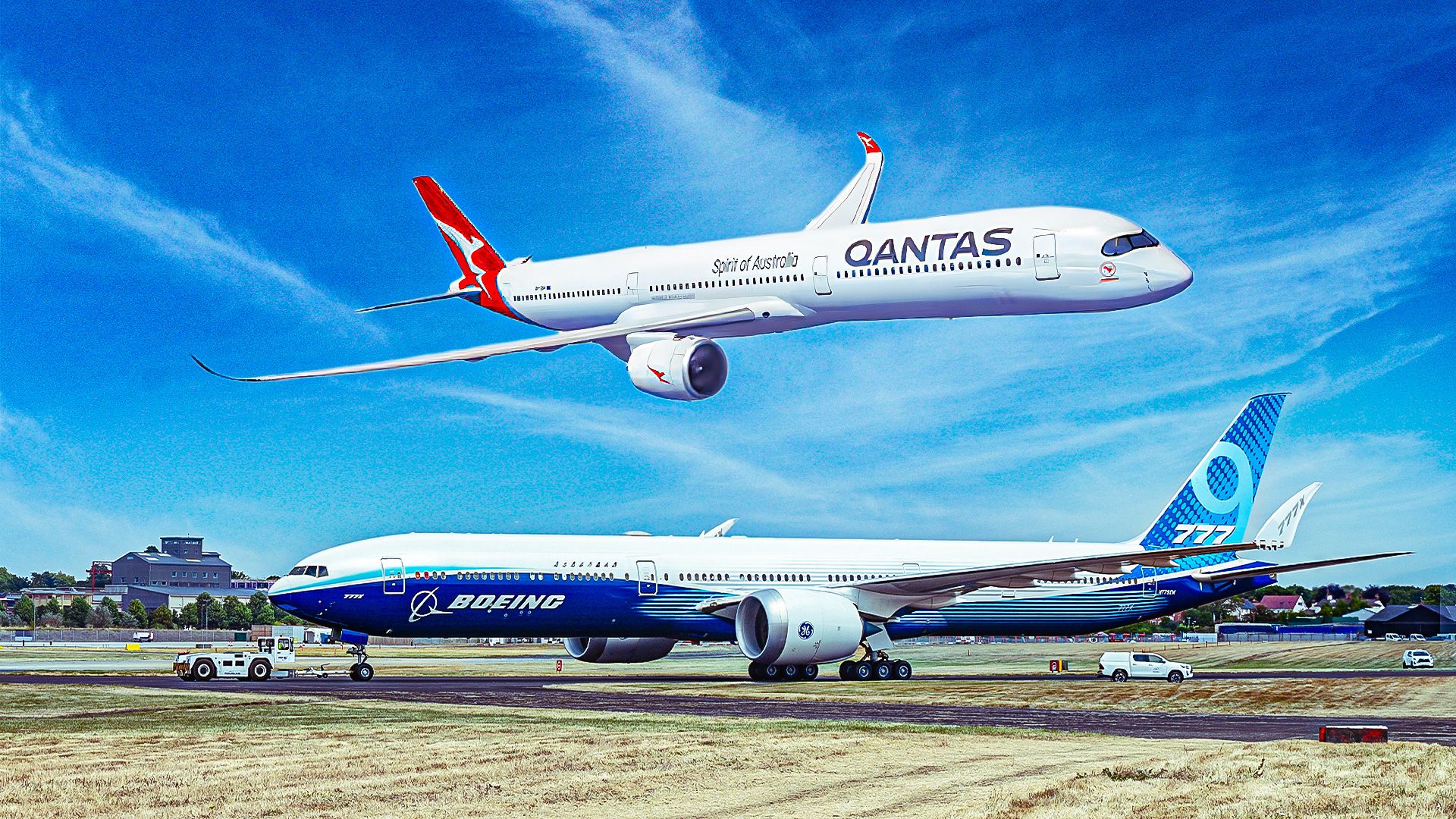
The competition for supremacy in ultra-long-haul aviation has intensified with the introduction of cutting-edge widebody aircraft. The Airbus A350-1000ULR and Boeing 777X stand at the forefront of this evolution, representing significant advancements in long-range flying. These jets not only enhance operational efficiency but also offer airlines the potential to launch new nonstop routes that were previously deemed impractical.
Airbus has positioned the A350-1000ULR as a game-changing option for airlines looking to expand their long-haul offerings. With a range of approximately 8,700 nautical miles (16,100 kilometers), this aircraft can connect distant cities like Sydney and London without refueling. In comparison, the Boeing 777X, while also impressive, has a maximum range of about 7,500 nautical miles (13,890 kilometers). This difference in range provides airlines with greater flexibility in route planning.
Technological Innovations Fueling Performance
Both aircraft feature state-of-the-art technology designed to improve fuel efficiency and passenger comfort. The A350-1000ULR utilizes advanced aerodynamics and lightweight materials, which contribute to its remarkable range. The aircraft’s composite wings and fuselage not only reduce weight but also enhance fuel efficiency, making it an attractive option for airlines focusing on sustainability.
Conversely, Boeing’s 777X incorporates several innovations, including new engines and wing designs that improve aerodynamics. The aircraft is equipped with the latest GE9X engines, which are designed to be among the most fuel-efficient in the industry. While the 777X has made strides in performance, it falls slightly short compared to the A350-1000ULR in terms of maximum range.
Airlines are actively evaluating both models for their operational economics and potential to open new routes. Significant markets, such as New York from the East Coast of Australia, could become viable with these jets. The ability to operate nonstop flights over such long distances presents exciting possibilities for airlines and travelers alike.
Impact on Global Aviation Landscape
As airlines consider their fleets, the A350-1000ULR and 777X are likely to influence the future of long-haul travel. Carriers that adopt these aircraft will not only benefit from improved operational efficiencies but also enhance their competitive edge in an increasingly crowded market. The demand for nonstop flights connecting major cities continues to grow, and these next-generation aircraft are well-positioned to meet this need.
In summary, the battle for dominance in ultra-long-haul aviation highlights the critical advancements made by both Airbus and Boeing. The A350-1000ULR’s superior range capabilities, combined with its innovative design, set a high bar for the industry. As airlines look to capitalize on these advancements, the future of long-distance travel appears more interconnected than ever.
















