





































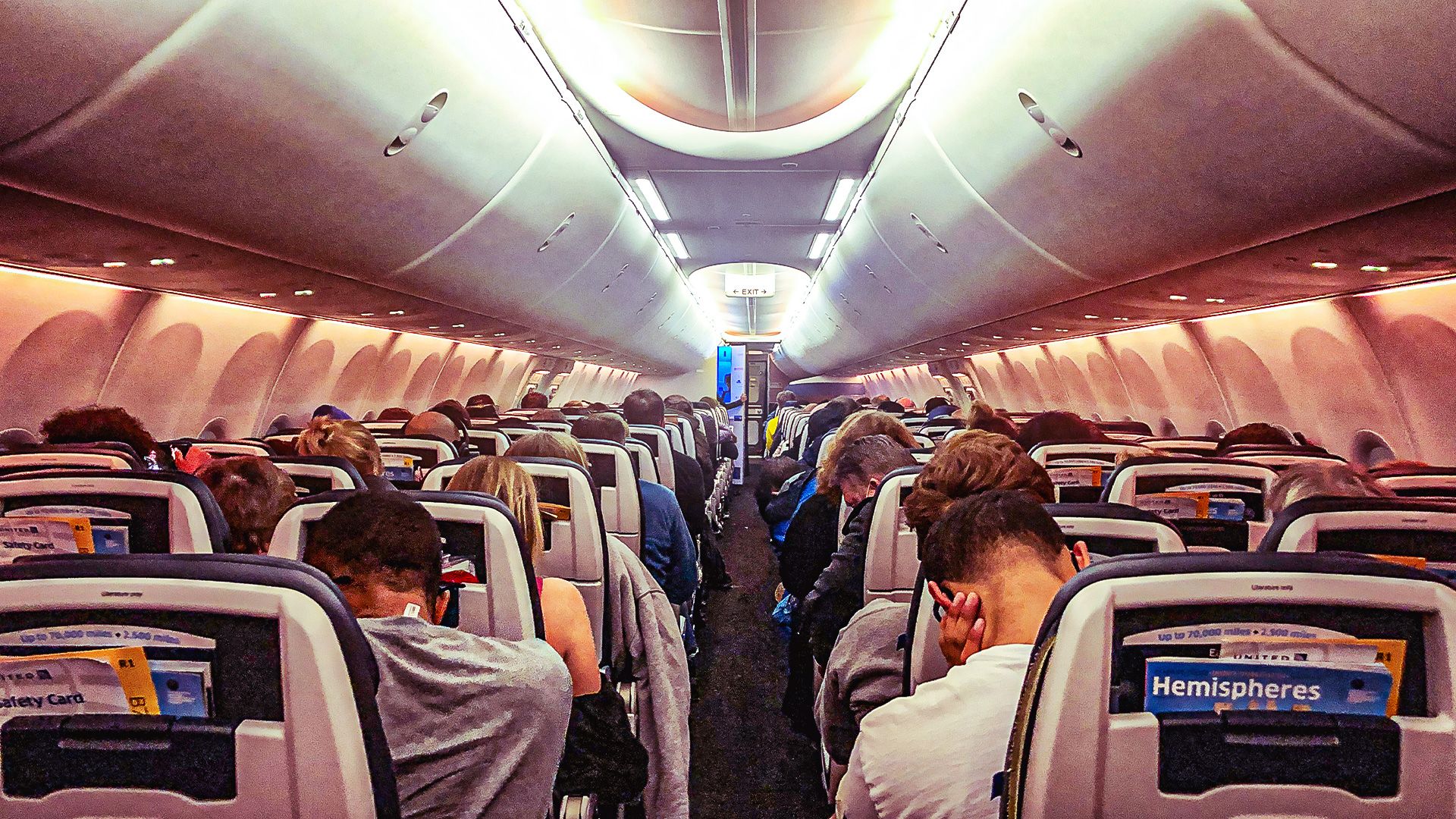
The airline industry is facing increasing scrutiny as passengers express frustration over the declining quality of air travel. Despite air travel remaining the safest mode of transportation, many now describe the flying experience as less comfortable and more stressful. Factors contributing to this sentiment include tighter seating, longer ground wait times, and frequent flight delays. The situation is particularly pronounced in the United States, where many travelers report feeling that air travel is becoming increasingly unbearable.
Ground Experiences and Security Delays
One significant area of concern for travelers is the ground experience at airports. Passengers are advised to arrive at least two hours prior to departure, mainly due to security checks. The Transportation Security Administration (TSA) is often criticized for its long lines and invasive procedures. Established in response to the September 11 attacks, the TSA has struggled with staffing shortages, particularly at busier airports. While programs like TSA PreCheck and CLEAR aim to expedite the process, their growing popularity has diminished the effectiveness of quicker screening.
In 2025, the TSA made some adjustments, including ending the requirement for passengers to remove shoes during security screenings. Additionally, new programs were introduced to assist families navigating airport procedures. However, challenges remain, especially for international passengers, who must navigate customs after landing. During peak times at major US airports, wait times for customs can exceed an hour, adding to the stress of returning from long-haul flights. The Global Entry program can alleviate some of this pressure by providing faster processing for enrolled travelers.
Air Traffic Control and Flight Delays
Flight delays are another critical issue. The US air traffic control system is experiencing significant staffing shortages, leading controllers at major airports to often work six days a week, with mandatory overtime. This fragile system can easily break down if personnel are unavailable, resulting in delays and cancellations. Such was the case in the fall of 2025, when a government shutdown caused numerous air traffic controllers to call out due to pay disputes, leading to widespread flight disruptions.
Many airports were designed decades ago, and their infrastructures are struggling to accommodate current passenger volume. Crowded terminals and longer taxi times contribute to an increasingly stressful travel environment. Although improvements are underway—with new terminal constructions at various airports including Myrtle Beach, Newark, and LaGuardia—the challenges remain daunting. These new facilities aim to improve passenger flow and reduce congestion, ultimately enhancing the travel experience.
Comfort and Space in Modern Aircraft
The comfort level of air travel has also diminished over the years. In the early days of jet travel, economy class seats typically had a pitch of 35 to 38 inches. Since the passing of the Airline Deregulation Act in 1978, airlines have systematically reduced legroom, with today’s standard pitch ranging from 30 to 32 inches. Some low-cost carriers even offer seats with just 28 inches of pitch. While seat widths have remained relatively constant, the overall passenger experience has become more cramped.
The growing average size of passengers, particularly in the United States, complicates this issue. Tighter seating arrangements exacerbate discomfort, particularly for those in window seats who often find themselves squeezed against the aircraft wall. While airlines do offer ‘extra legroom’ seats, these often do not represent a significant upgrade compared to standard economy, merely providing a few additional inches for an extra fee.
Despite these challenges, ticket prices have generally decreased compared to historical standards. The affordability of flying today allows many more people to travel than could in previous decades. According to the US Department of Transportation, fewer than 50% of adults had flown on an airplane in 1971, a figure that increased to nearly 90% in recent years.
Modern Options and Premium Travel
While economy travel may be less comfortable than in past decades, airlines now provide various premium options that cater to those seeking a more luxurious flying experience. Airlines have expanded their offerings of extra-legroom seating and premium economy classes, which provide better value for travelers.
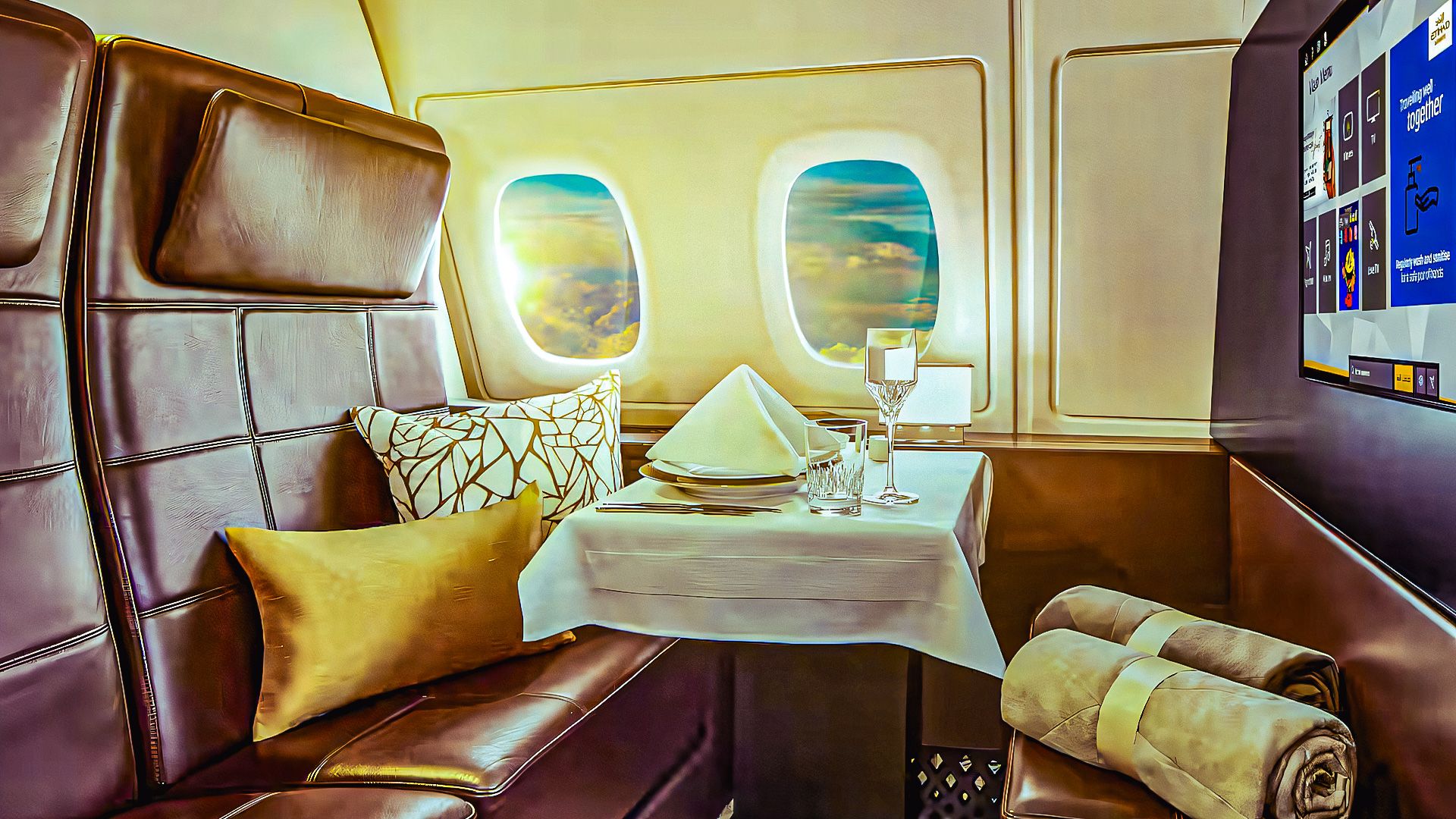
In business and first-class cabins, the advancements are notable. Lie-flat seats, direct aisle access, and improved catering options have transformed the experience, reminiscent of the glamour associated with early jet travel. Many of the world’s leading airlines now offer enhanced privacy, spacious seating, and superior service in their premium cabins.
Although flying in economy can be challenging, the evolution of air travel has made it accessible to a broader audience, while premium options remain available for those willing to invest in comfort. As the industry adapts to the changing demands of travelers, passengers have more choices than ever to enhance their flying experience, even amidst the ongoing challenges of modern air travel.
















