









































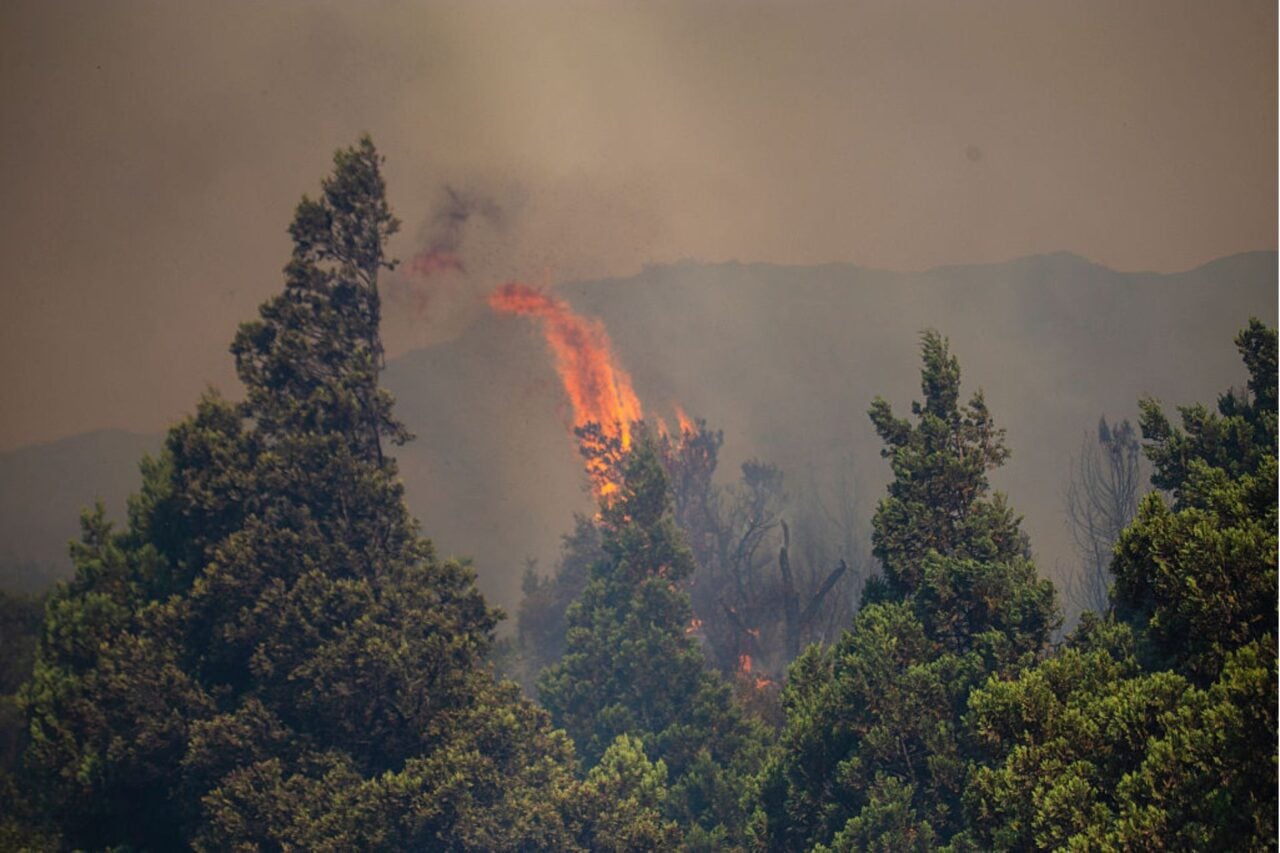
UPDATE: Severe wildfires are currently ravaging the Patagonia region, with devastating impacts on ancient forests and wildlife. As of mid-January 2024, wildfires have engulfed vast areas in both Argentina and Chile, resulting in at least 23 deaths and forcing tens of thousands to evacuate their homes.
In Argentina’s Chubut Province, fires erupted earlier this month, spreading rapidly through the region’s dense forests. The situation escalated, leading to new blazes igniting in southern Chile. Fire crews are struggling to contain the infernos that are decimating not only scrubland but also precious ecosystems, including the UNESCO World Heritage Site, Los Alerces National Park.
New findings from World Weather Attribution reveal that this wildfire crisis is fueled by excessive heat, ongoing drought, and strong winds exacerbated by human-induced climate change. As these ancient forests burn, the world risks losing some of its most vital defenses against climate change.
The park is home to the longest-living population of Alerce trees, some over 2,600 years old. These colossal trees, which can reach heights of nearly 200 feet, play a crucial role in carbon storage, drawing massive amounts of CO2 from the atmosphere. However, as the fires rage on, they release this stored carbon back, intensifying global warming and creating a destructive feedback loop.
The impact of these wildfires extends beyond carbon emissions. The destruction of habitats threatens vulnerable species such as the South Andean deer and the Magellanic woodpecker. The Alerce tree itself, classified as a threatened species, is also at risk of extinction as its critical habitat is consumed by flames.
Authorities warn that the current fires are just the beginning. Climate models predict a trend towards more severe fire weather conditions and decreasing rainfall in the affected areas. This alarming forecast raises serious concerns for the future of Patagonia’s unique ecosystems and the ancient trees that have survived for millennia.
As the situation develops, the world watches closely. The fires are not just a regional crisis; they represent a global challenge in the fight against climate change. If left unchecked, the ongoing destruction could eliminate one of Earth’s most significant carbon sinks, further exacerbating the climate emergency.
What happens next remains uncertain. Fire crews continue to battle the flames, and the focus now shifts to the recovery of these irreplaceable forests. The global community must respond swiftly to address the underlying causes of climate change to protect these natural treasures.
Stay tuned for further updates on this evolving crisis, as we continue to monitor the efforts to contain the fires and the impact on this irreplaceable region.
















