









































URGENT UPDATE: New reports reveal that Wi-Fi signal strength indicators are misleading, leaving users frustrated with slow connectivity despite full bars. This issue is becoming increasingly relevant as people rely on wireless networks for work and leisure, especially in crowded places like airports and cafes.
Many users have experienced the agonizing wait as apps like Instagram fail to load or web pages take forever to open—all while their devices display full Wi-Fi bars. This disconnect is not merely an inconvenience; it’s a growing concern as more individuals depend on reliable internet access for remote work and social interaction.
What’s happening? Recent studies illustrate that Wi-Fi bars, which visually suggest strong connectivity, do not accurately reflect real-world performance. Users often blame their Internet Service Provider (ISP) or outdated routers, but the problem lies in the way signal strength is displayed. The bars indicate the strength of the connection between devices and routers, but they fail to consider other critical factors impacting speed and stability.
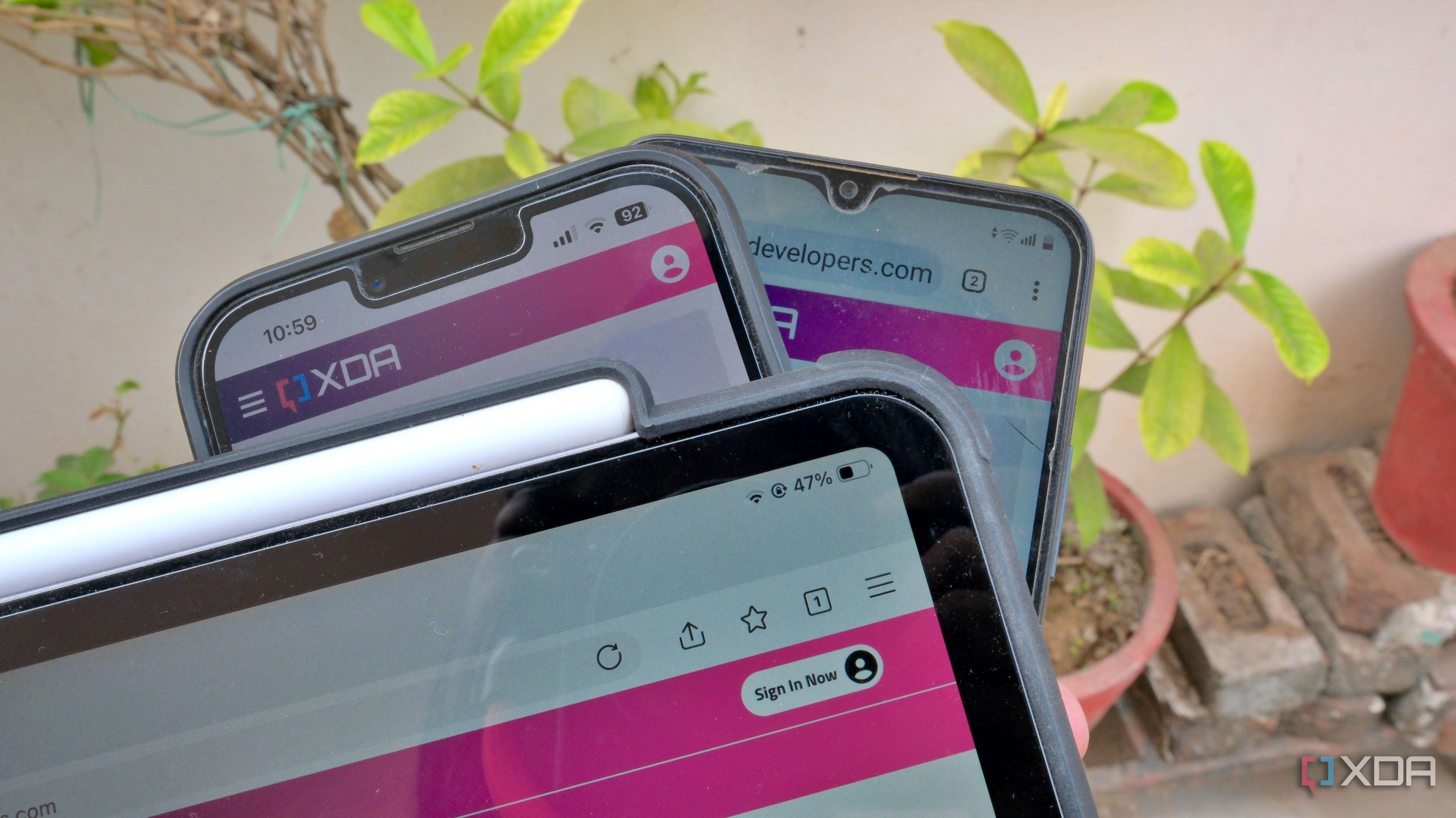
Tests conducted by tech experts reveal that devices like the Android 11 phone, iPhone 13 Pro Max, and iPad Pro (M1) can show similar signal strengths yet yield vastly different internet speeds. One test demonstrated excellent results initially, but subsequent tests showed a dramatic drop in performance. All devices struggled to load a simple web page, taking over a minute in some cases.
Why does this matter now? As remote work continues to rise, the performance of Wi-Fi networks is under scrutiny. The discrepancy between signal strength and actual performance leads to user frustration and could impact productivity. Experts warn that the issue is exacerbated by network congestion, often caused by overlapping channels with neighboring networks.
Wi-Fi signals travel as invisible radio waves, easily obstructed by walls, furniture, or even trees. This means that a strong signal does not guarantee fast data speeds. Misconfigured routers, particularly those set to automatically select crowded channels, further complicate the situation. Users are advised to manually adjust channel settings for optimal performance.
Another critical point is the use of identical SSIDs across different frequency bands. Many devices default to the congested 2.4 GHz band, missing out on the less crowded 5 GHz band, which can offer significantly faster speeds. This lack of optimization can lead to slower connections even when signal strength appears strong.
What can you do? To address these Wi-Fi woes, users are encouraged to conduct internet speed tests regularly. Only these tests can provide insights into latency, jitter, and packet loss—essential for a smooth online experience. Understanding these metrics can help users make informed decisions and optimize their home networks.
In the face of these challenges, individuals must recognize that not all Wi-Fi devices perform equally. Variations in hardware, antenna design, and radio capabilities can affect connectivity. While laptops may function adequately with lower signal strengths, smartphones and other portable devices often require stronger connections to maintain performance.
The message is clear: the next time you glance at your device’s Wi-Fi bars showing full strength but experience a lagging connection, remember that the icon is not the whole story. Users should investigate further and take proactive steps to enhance their Wi-Fi experience.
This urgent issue highlights the need for better awareness of Wi-Fi performance, especially as we navigate the increasingly digital landscape. As connectivity becomes essential, understanding and optimizing your Wi-Fi setup could make all the difference in your daily life.
















