









































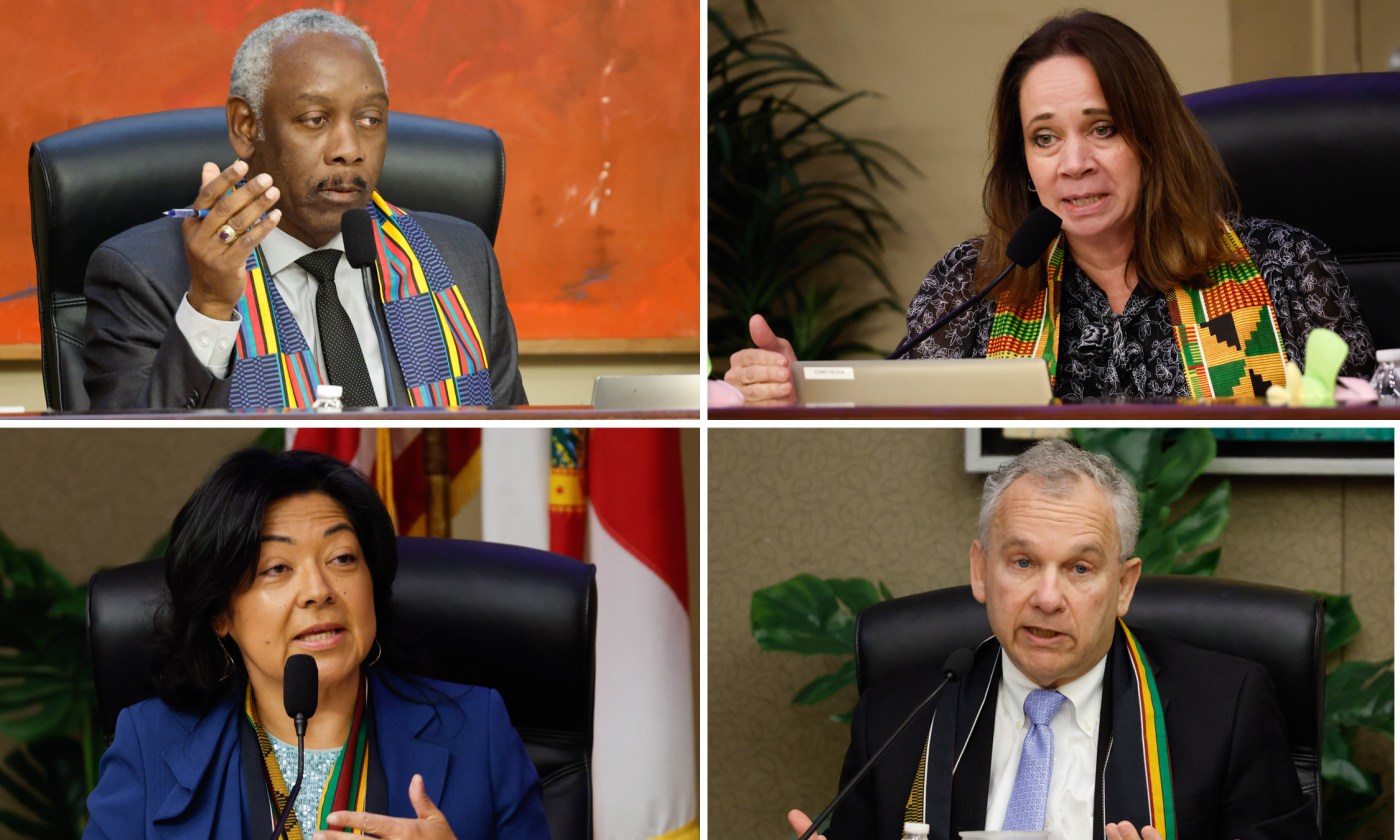
URGENT UPDATE: In a decisive move, Visit Orlando has just secured a $100 million annual contract from Orange County, ensuring continued funding for its tourism efforts despite a scathing audit revealing questionable spending practices. The agreement was finalized late Tuesday, February 10, 2026, with a 5-2 vote from the board, amid concerns regarding the timing and transparency of the contract revisions.
The board’s late-night deliberations wrapped up around 11:13 p.m., after commissioners Mayra Uribe and Kelly Martinez Semrad expressed frustration over receiving the final agreement just hours before the vote. They raised concerns about not having enough time to review new restrictions on the agency’s spending of approximately $11 million that was previously designated as private funds.
Comptroller Phil Diamond addressed the board, affirming that the amended contract incorporates recommendations from his audit team aimed at improving financial accountability. “I think the taxpayers have every right not just to want but to expect that they have the ability to look at those funds and to see how they’re spent,” Diamond stated, emphasizing the need for transparency.
Under the new agreement, Visit Orlando will continue to receive 30 cents of every dollar collected from the Tourist Development Tax (TDT) while adhering to stricter regulations on spending. The agency has been pivotal in attracting a record 75.3 million visitors to Central Florida in 2024, solidifying the region’s status as the top tourism destination in the United States.
The TDT surcharge on hotel rooms generated $389.9 million in revenue in 2025, the highest since the tax was established in 1987. Supporters of Visit Orlando, including members of the tourism industry, lauded the agency’s contributions during the public comment period, highlighting the importance of its marketing strategies for local prosperity.
Casandra Matej, president and CEO of Visit Orlando, emphasized a collaborative approach to contract negotiations. “We have now clarified our agreement and are happy to be aligned with the county and comptroller and are ready to get back to business,” she said, reflecting the agency’s commitment to driving tourism and enhancing community pride.
Critics, however, remain vigilant. Uribe reiterated the need for transparency, stating, “What we want to make sure is we’re transparent with the tax dollars. Our only question here, and our job is, where’s the money? How’s it being spent?” This scrutiny underscores a growing demand for accountability as public funds are allocated.
As this story develops, all eyes will be on how Visit Orlando implements these new guidelines and whether they will adequately address the concerns raised in the audit. The implications of this renewed contract will resonate throughout the region, impacting the local economy and the overall tourism landscape.
Stay tuned for further updates on this critical development in Central Florida’s tourism sector.
















