









































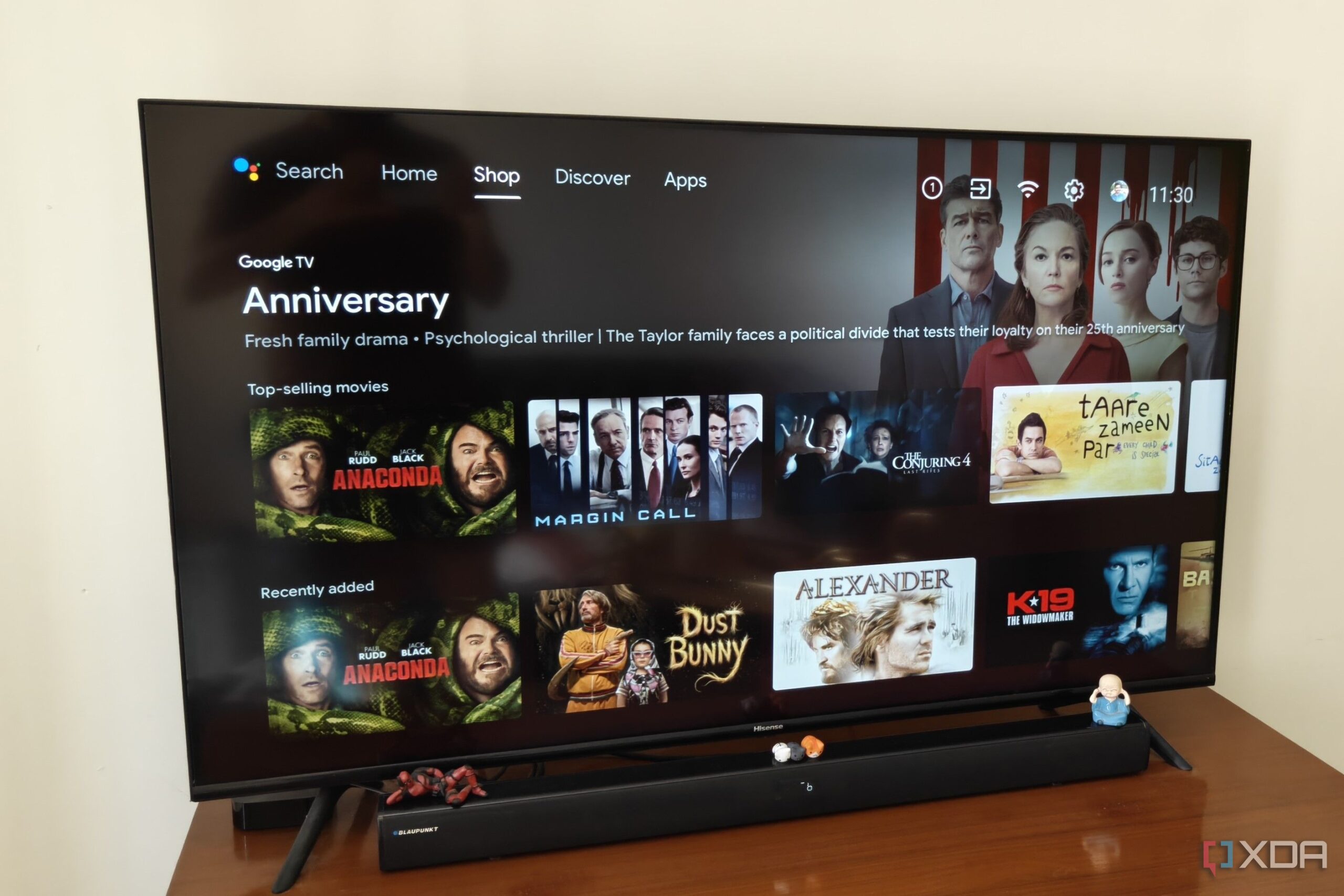
UPDATE: Frustration with smart TVs is driving consumers to opt for dedicated streaming devices, with many reporting a significant upgrade in their viewing experience. This shift comes as users express dissatisfaction with the performance of smart TV operating systems like Android TV and webOS.
Many users have shared their experiences, revealing that even top brands such as Samsung and LG are failing to meet expectations. A recent shift from a Hisense smart TV to an Apple TV 4K has proven to be a game changer for one user, who reported an immediate improvement in performance and usability.
Smart TVs, while equipped with advanced features, often suffer from sluggish navigation and limited functionality. The user noted that their Hisense TV, after just a year of use, became frustratingly slow, with extended boot times and laggy app performance. This is a common complaint among smart TV owners, indicating a broader industry issue.
The decision to switch to the Apple TV 4K—purchased for approximately $170—was largely influenced by the need for a reliable and efficient streaming experience. Users invested in the Apple ecosystem have found that the Apple TV 4K offers a markedly superior interface compared to the cluttered and slow environments of many smart TVs.
Once set up, the Apple TV 4K demonstrated its capabilities with a smooth user interface, fast app loading times, and seamless integration with other Apple devices. Features like AirPlay enhanced the user’s experience by allowing effortless screen sharing from devices like iPhones and MacBooks.
Despite its advantages, the Apple TV 4K is not without issues. Users have reported occasional bugs, particularly with the universal search feature, which sometimes fails to return accurate results. Additionally, some have experienced audio input glitches and stuttering during playback of large media files, especially 4K content.
As dissatisfaction with smart TVs grows, the demand for dedicated streaming devices is surging. Experts suggest that this trend reflects a shift in consumer priorities towards performance and ease of use. The need for a reliable streaming solution is becoming more critical as households increasingly rely on digital content for entertainment.
In light of these developments, consumers are encouraged to weigh their options carefully. While smart TVs promise convenience, the reality may be a less satisfying experience compared to purchasing a high-quality streaming box.
As the market evolves, users are expected to continue sharing their experiences, influencing others to make similar decisions. The growing dissatisfaction with smart TV functionalities could signal a pivotal change in how consumers approach home entertainment setups in the future.
Stay tuned for more updates as this trend develops.
















