









































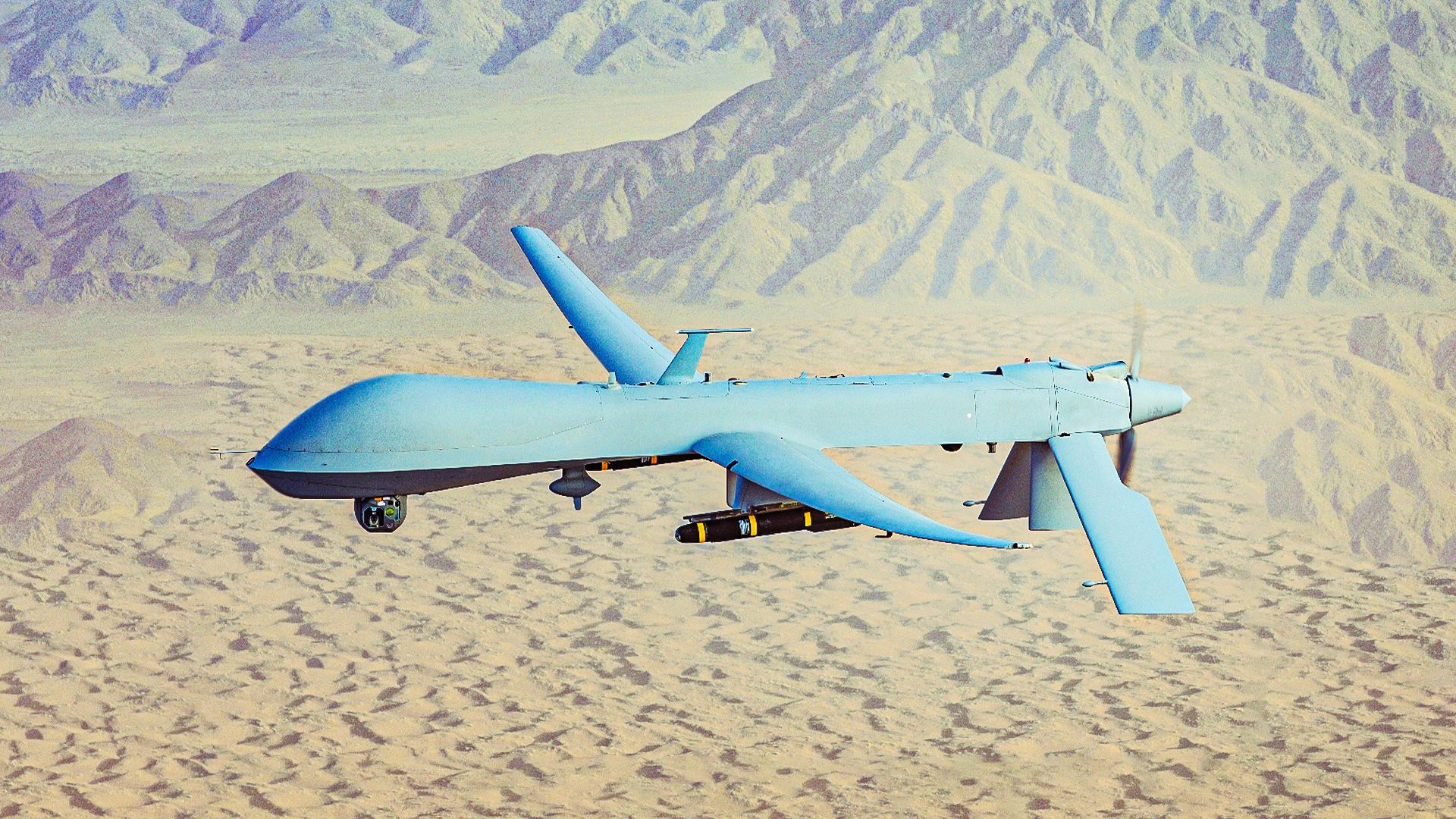
The landscape of aerial warfare in the Indo-Pacific is evolving significantly as unmanned aerial vehicles, or drones, become increasingly integral to military strategies. This shift raises concerns among US defense officials regarding the balance of drone combat capacity in the region, particularly in light of rising tensions around Taiwan. While the United States has led in drone warfare for over two decades, rapid advancements by countries like China threaten to diminish that advantage.
The transformation of drone capabilities began long before the current geopolitical tensions. Unmanned aircraft have been utilized since the Cold War, initially for reconnaissance and targeting. By the early 2000s, the United States had incorporated drones into its military operations, notably during the War on Terror with systems such as the MQ-1 Predator and MQ-9 Reaper. These drones enabled extended surveillance and precision strikes while keeping pilots out of harm’s way.
The ongoing conflict between Russia and Ukraine has showcased the extensive use of drones, highlighting their versatility. Both sides employed various UAVs, from small reconnaissance models to loitering munitions that can target armored vehicles. Similarly, the situation surrounding the 2026 Iran Crisis has underscored the significance of drones, with Iranian-designed systems being involved in attacks against critical infrastructure.
Drone Warfare in the Indo-Pacific: A Strategic Shift
The Indo-Pacific region presents unique challenges for military operations, making drones an appealing option for strategists. Vast ocean distances and numerous islands complicate traditional air operations, necessitating platforms that offer long endurance and cost-effectiveness. Drones excel in these areas, capable of patrolling maritime routes, monitoring naval movements, and providing targeting data for long-range weapons. Their ability to operate from smaller airfields or naval vessels enhances operational flexibility, particularly in contested zones like the South China Sea and the Taiwan Strait.
China has rapidly expanded its drone capabilities, developing a range of systems from tactical drones to high-altitude surveillance platforms that rival American technology. This competition is fueled by advancements in artificial intelligence and drone swarm coordination, further emphasizing the need for the United States to reassess its own drone capabilities in the region.
The advent of swarm technology marks a significant evolution in drone warfare. Rather than relying on a few high-value assets, militaries are experimenting with deploying hundreds or thousands of smaller drones simultaneously. These swarms can perform reconnaissance, engage in electronic warfare, and conduct strikes, overwhelming enemy defenses through sheer numbers. Civilian innovations, such as drone light shows, have demonstrated the potential for coordinated drone operations, paving the way for military applications.
US Military Initiatives and Future Challenges
Recognizing the growing importance of unmanned systems, the United States has established the Joint Interagency Task Force 401 (JIATF-401). This multi-agency initiative aims to address emerging challenges in unmanned warfare in the Indo-Pacific. The task force’s focus includes analyzing adversary drone deployments and developing counter-drone strategies for US forces.
JIATF-401 is significant because it acknowledges that future conflicts may require thousands of unmanned systems operating simultaneously across various domains. The task force is tasked with exploring how swarms of drones can support US operations in the vast Indo-Pacific region, where logistics and supply lines are critical.
Despite the United States’ technological advancements in drone warfare, concerns persist regarding the scale and resilience of its drone fleet. The Pentagon acknowledges that high-intensity conflicts could lead to significant attrition of unmanned systems. If adversaries can replace lost drones more rapidly than the US can produce new ones, the balance of power may tilt during prolonged engagements.
China’s established manufacturing capabilities for drones pose a challenge for the United States, which traditionally focuses on smaller fleets of sophisticated platforms. In a conflict characterized by attrition, the ability to produce and distribute a large number of relatively inexpensive drones could prove decisive. As military planners contemplate the future of drone warfare, the emphasis may shift from technological superiority to sustainability and resilience.
As drone warfare continues to evolve, the Indo-Pacific could become a proving ground for the next generation of aerial combat. The integration of artificial intelligence, autonomous navigation, and collaborative swarm tactics will further enhance the capabilities of unmanned systems. For the United States, maintaining an edge will require a comprehensive strategy that encompasses production scaling, supply chain strengthening, and close cooperation with allies in the region.
Ultimately, the ongoing focus on drone combat capacity signifies a broader transformation in modern warfare, as nations vie for dominance in the skies of the world’s largest ocean.
















