

































URGENT UPDATE: The homelessness crisis in Washington, D.C., is escalating as hundreds of unsheltered individuals are forced to hide in plain sight due to federal crackdowns. With 5,100 homeless people in the city, including approximately 700 living outdoors, the situation is dire as winter approaches.
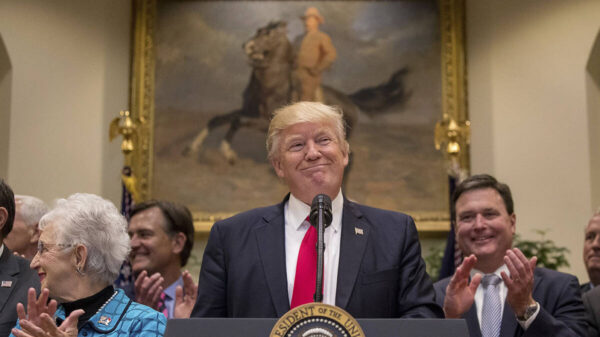
Every night, individuals like Abdullah Ibrahim, 32, seek refuge in the woods along the Potomac River, constructing tents to evade authorities. “They don’t see you if you’re in the woods,” Ibrahim explains, emphasizing the constant fear of police sweeps. This pattern of hiding has intensified since President Trump ordered the National Guard to patrol D.C. streets, aiming to clear the homeless from public view.
As authorities claim a reduction in visible homelessness, the reality is starkly different. Reports indicate that while encampments may be less noticeable, individuals are simply being pushed further into the shadows. Many now rely on public libraries and soup kitchens like Miriam’s Kitchen for warmth and sustenance during the day, while at night, they resort to sleeping in doorways, on park benches, or in the woods.
The Trump administration’s campaign against homelessness has resulted in the removal of over 130 encampments, but experts express concern that such actions are exacerbating public health issues. Street medicine providers report heightened difficulties in reaching patients, as many have had essential medications discarded during sweeps. “It was already hard locating people, but the federal presence just made it worse,” says Tobie Smith, a street medicine doctor in D.C.
The impact of the federal crackdown is profound. Individuals like Chris Jones, 57, who suffers from a knee injury, are left vulnerable without stable shelter. “Why try to get another tent? It’ll just get thrown away again,” he laments. As cold weather sets in, those without shelter face severe health risks, particularly individuals with chronic conditions like diabetes and heart disease.
Officials warn that the ongoing chaos threatens not only the health of those experiencing homelessness but also public safety, as untreated conditions lead to increased emergency room visits. The cost of care for homeless individuals can reach $18,764 per year, compared to $7,561 for housed individuals, burdening the healthcare system even further.
With the winter months approaching, local shelters are already overwhelmed. Although some individuals have accepted temporary housing, city officials acknowledge that there are not enough resources to accommodate the growing need. The fiscal year 2026 budget focuses on families, leaving single adults without adequate support or permanent housing options.
Advocates for the homeless express frustration over the lack of compassionate solutions. “People found safety in those communities, and service providers could find them,” says Jesse Rabinowitz, campaign director for the National Homelessness Law Center. The federal crackdown has created a climate of fear and mistrust, complicating efforts to connect individuals with essential services.
As the situation deteriorates, the need for immediate action becomes critical. The D.C. government is under pressure to provide assistance, yet the resources do not match the rising demand. Authorities and healthcare providers are struggling to keep pace with the growing crisis, as individuals drift further into isolation.
What’s Next? As winter deepens, the focus remains on addressing the urgent needs of the homeless population in Washington, D.C. Local officials are urged to prioritize compassionate outreach and support, but without adequate funding and resources, the crisis is likely to worsen. The community watches closely as developments unfold, anxious for solutions that can bring relief to those suffering on the streets.
Stay tuned for updates as this urgent situation continues to evolve.