









































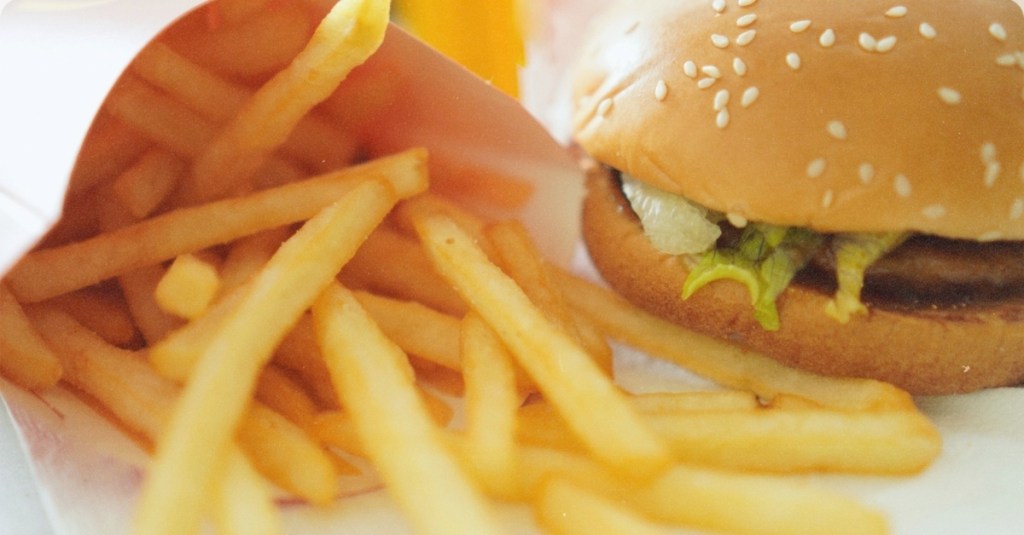
New reports confirm that several beloved fast food items in the U.S. are alarmingly high in plastic-related chemicals, specifically phthalates, which are linked to serious health risks. This urgent finding, reported by Newsweek, draws from the PlasticList database, revealing shocking data that demands immediate attention from consumers and health advocates alike.
The analysis highlights that *phthalates*, chemicals used in plastic production, can leach into food products during processing and packaging. Chronic exposure has been associated with endocrine disruption, reproductive harm, and increased disease risk. According to David Andrews, acting chief science officer at the Environmental Working Group, these chemicals remain prevalent because they are still legally permitted in food. “Phthalates are still being detected in food and specifically in fast food and ultra-processed food because the FDA has not banned the use of these chemicals despite mounting evidence of human health harm,” Andrews stated.
Here are the fast food items that topped the charts for plastic chemical contamination:
1. **Taco Bell Cantina Chicken Burrito** – This item has the highest levels of di(2-ethylhexyl) phthalate, or DEHP, with over 14,000 nanograms per serving, ranking higher than 90% of foods tested. It also contains elevated dimethyl phthalate levels.
2. **McDonald’s Quarter Pounder with Cheese** – This burger has been found to contain alarming levels of diisobutyl phthalate and a staggering over 400,000 nanograms of bis(2-ethylhexyl) terephthalate (DEHT) per serving.
3. **Burger King Whopper with Cheese** – This iconic burger shows DEHT levels reaching into the millions of nanograms per serving, marking it among the highest recorded in the PlasticList database.
4. **Burger King Chicken Nuggets** – These nuggets also contain multiple plastic chemicals at elevated levels, reflecting the extensive processing that contributes to contamination.
5. **Wendy’s Burgers** – Many burgers from Wendy’s ranked near the top for DEHT and DEHA, measuring in the millions of nanograms per serving.
6. **Shake Shack Cheeseburgers and Vanilla Shakes** – Shake Shack’s burgers show DEHP levels higher than most foods tested, while their vanilla shakes contain notable amounts of DEHA.
Experts explain that the persistent presence of these chemicals in fast food stems from extensive exposure points within the food processing system. Susanne Brander, a professor at Oregon State University, noted that phthalates are not chemically locked into plastics, allowing them to leach out easily during food handling. The complex nature of industrial food systems increases the likelihood of contamination at multiple stages.
As consumers seek convenience in fast food, this new data underscores a critical health concern that transcends individual choices. The fast food industry is built on a system heavily reliant on plastic at nearly every step, making exposure to harmful chemicals an ongoing risk until significant changes are made.
The implications of these findings are profound. Health advocates and consumers alike are urged to reconsider their fast food choices as the conversation surrounding food safety and chemical exposure intensifies. With regulatory measures lagging, it is crucial for individuals to stay informed and proactive about their dietary decisions.
As this story develops, experts continue to emphasize the need for systemic change in how food is processed, packaged, and regulated. For now, the health risks associated with consuming popular fast food items remain a pressing concern.
















