









































UPDATE: The opioid crisis has reached alarming levels, with 107,941 overdose deaths reported in 2022, according to the latest data. As the situation remains critical, the FDA has just announced significant safety labeling changes for opioid medications to prioritize overdose prevention. This urgent development highlights the crucial role pharmacists play in safeguarding patients from the dangers of opioid prescriptions.
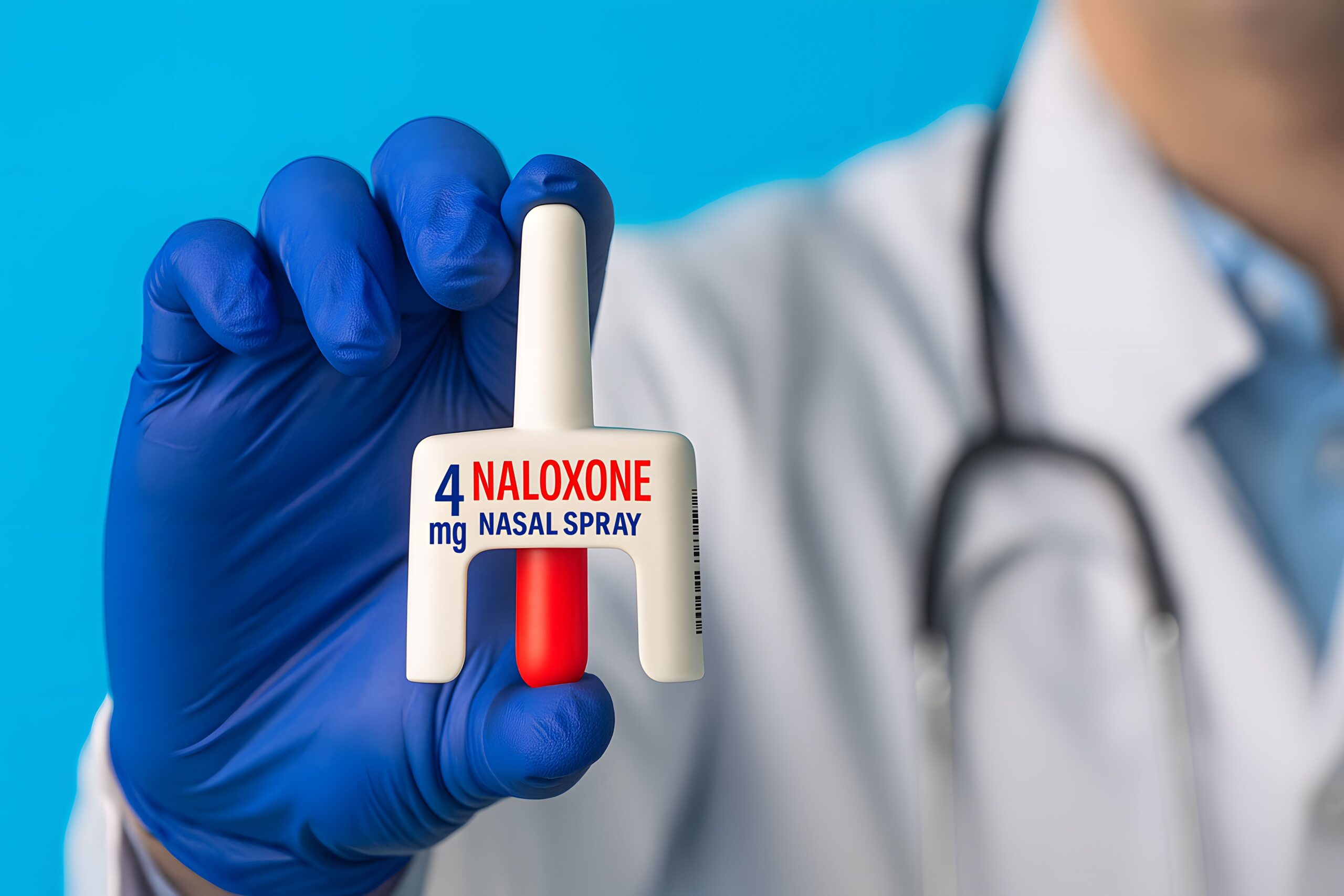
In a decisive move on July 2025, the FDA emphasized the risks of long-term opioid use, which include addiction and overdose. This regulatory update serves as a wake-up call for healthcare providers, particularly pharmacists, who are uniquely positioned to intervene at the point of care. Naloxone, known as Narcan, is a vital tool for reversing opioid overdoses and can mean the difference between life and death.
Pharmacists are now urged to review patient prescriptions meticulously, especially for those receiving opioids at doses exceeding a daily morphine milligram equivalent (MME) of 50 to 90. Several states, including Arkansas and California, mandate naloxone prescriptions when these thresholds are met. In Arkansas, for instance, co-prescribing naloxone is required for opioid doses at or above 50 MME, reflecting a growing trend to mitigate overdose risks.
The importance of this initiative cannot be overstated; opioid-related deaths accounted for 80% of all drug overdose fatalities in the U.S. in 2021. Naloxone works by quickly reversing life-threatening respiratory depression caused by overdoses, making it essential for pharmacists to recommend its use in high-risk situations.
Moreover, when benzodiazepines are prescribed alongside opioids, the overdose risk significantly increases, necessitating the co-prescription of naloxone regardless of the MME. States like Rhode Island and South Carolina have adopted policies to ensure naloxone is prescribed in these scenarios. Pharmacists must also consider non-drug-related risk factors, such as patient age and medical history, to ensure comprehensive safety.
As the Mississippi State Department of Health (MSDH) ramps up efforts through its Project AUTO-MED initiative, pharmacists are reminded of their role in educating patients on naloxone usage and overdose recognition. This program distributes naloxone kits at the University of Mississippi Medical Center (UMMC), showcasing a proactive approach to combatting the opioid crisis.
However, a troubling statistic reveals that only 1.7% of surgical patients prescribed opioids were also given naloxone, indicating a critical gap in care that pharmacists can address. By offering training and support, pharmacists can empower patients and their caregivers to respond effectively in emergencies.
Additionally, the FDA’s recent approval of non-opioid pain medication, Suzetrigine, marks a potential breakthrough in pain management, further supporting the need for pharmacists to stay informed about emerging alternatives.
The opioid epidemic continues to pose a significant threat to public health, and the responsibility falls on healthcare professionals to act decisively. Pharmacists must leverage their expertise to advocate for naloxone use, thereby playing an essential role in preventing overdose deaths. As the situation evolves, staying vigilant and proactive is key to turning the tide against this crisis.
For further updates and resources, pharmacists are encouraged to engage with state guidelines on naloxone prescriptions and collaborate with healthcare teams to enhance patient safety. The time to act is now; every life saved counts.
















