

































UPDATE: Major changes to the Public Service Loan Forgiveness (PSLF) program are set to impact millions of student loan borrowers in July 2026. The Department of Education has finalized new rules that redefine what constitutes a “qualifying employer,” raising urgent concerns among public service workers across the nation.
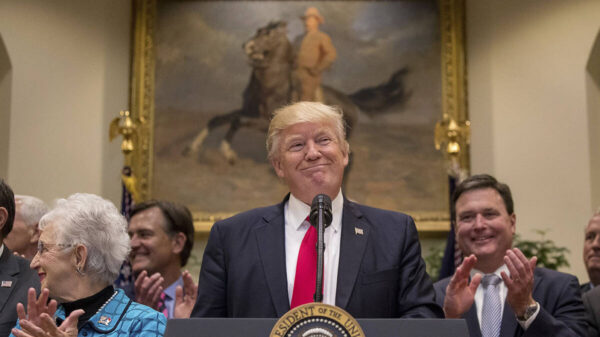
Under the new regulations, which were confirmed at the end of October 2023, eligibility for PSLF will shift significantly. The reforms are in direct response to an executive order from Donald Trump in March, which mandates that only employers not engaged in “substantial illegal activity” will qualify for loan forgiveness. This vague definition could potentially exclude many organizations, including those aligned with progressive values.
Approximately 7 million borrowers currently rely on PSLF, which was originally designed to forgive student debt for public service employees after 10 years of qualifying payments. Advocates and borrowers are voicing their outrage, fearing that these changes will block access to much-needed relief for dedicated teachers, nurses, and civil servants.
“This new rule could dismantle a program that has supported those who serve our communities,” warned Megan Flocken, a nonprofit worker who has devoted her career to public service.
The Department of Education insists that the rule change aims to ensure PSLF benefits are directed towards public servants genuinely contributing to society. Nicholas Kent, Under Secretary of Education, stated,
“With this new rule, the Trump Administration is refocusing the PSLF program to ensure federal benefits go to our Nation’s teachers, first responders, and civil servants who tirelessly serve their communities.”
However, the criteria for defining a qualifying employer now explicitly exclude those involved in illegal activities, which the department has vaguely linked to actions such as supporting terrorism or gender-affirming care. Critics argue that this could lead to arbitrary disqualifications based on political beliefs.
If an employer is found to be in violation, they will be notified and will have the chance to rebut the findings. Borrowers under disqualified employers will lose their payment counts toward PSLF, though payments made before disqualification will still count retroactively. This could leave many borrowers in limbo, questioning their future financial stability.
Following the announcement, a coalition of advocates and nonprofits has already filed lawsuits challenging these impending changes, accusing the administration of undermining the law and threatening recruitment in public service sectors. Additionally, Senator Bernie Sanders condemned the alterations, declaring on social media that the administration does not possess the authority to revoke student debt forgiveness based on loyalty to a political agenda.
As this situation unfolds, borrowers and advocates are urged to stay informed about the changes and their potential implications. The urgency of the matter cannot be overstated; the future of PSLF hangs in the balance as July 2026 approaches.
What’s next? Stakeholders are calling for immediate action to halt these changes, urging lawmakers to intervene and protect the rights of those who dedicate their careers to public service. With the future of the PSLF program in jeopardy, the conversation around student loan forgiveness is more critical than ever.