









































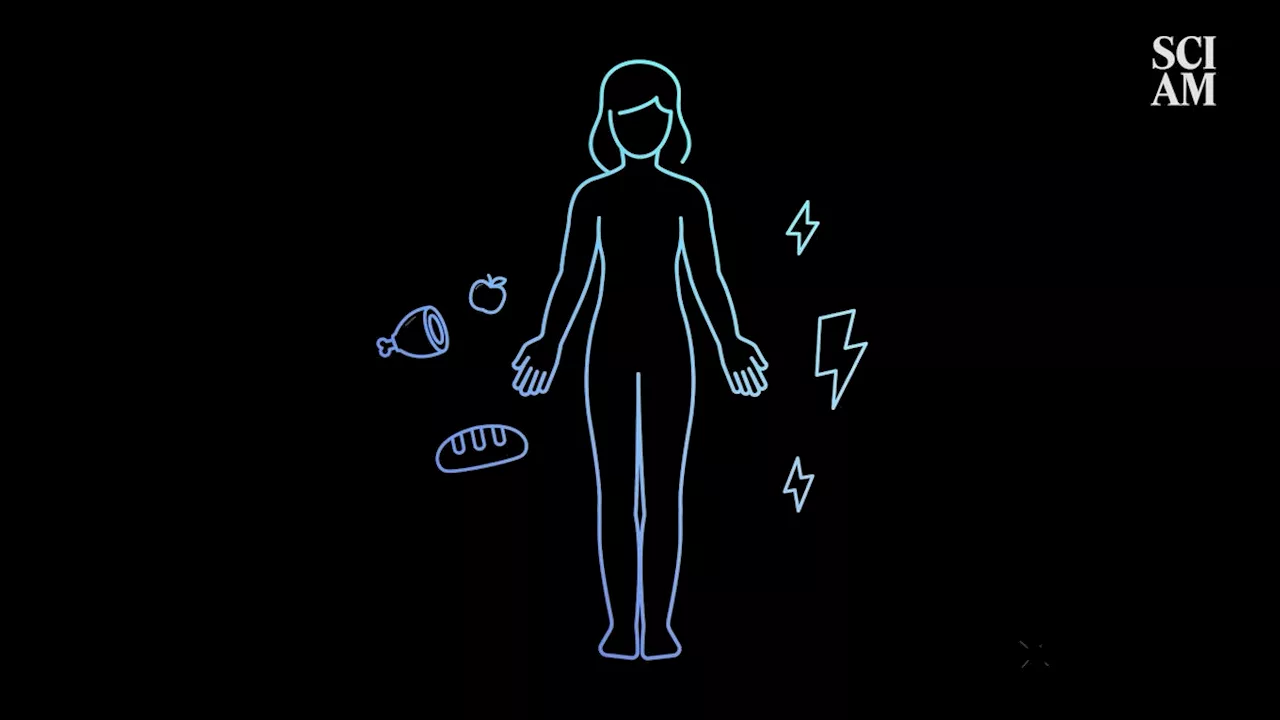
Type 1 diabetes occurs when the body ceases to produce insulin, the hormone essential for regulating blood sugar levels. This condition can lead to serious health complications if not managed effectively. Understanding the mechanisms behind this autoimmune disease is vital for improving treatment options and ultimately finding a cure.
How Insulin Regulates Blood Sugar
When a person consumes food, their body breaks it down into glucose, which is then stored in the liver as glycogen. The liver can convert glycogen back into glucose, releasing it into the bloodstream as needed for energy. The pancreas plays a crucial role in this process by producing insulin, which signals cells to absorb glucose and utilize it for energy. Insulin acts as a regulator, maintaining blood sugar levels within a healthy range.
In type 1 diabetes, the immune system mistakenly attacks and destroys the beta cells in the pancreas responsible for insulin production. As a result, the body can no longer produce sufficient insulin, leading to an accumulation of glucose in the bloodstream. This condition can cause symptoms such as fatigue, weakness, and increased thirst.
Advancements in Treatment
Over the past century, significant advancements have been made in the management of type 1 diabetes. Technologies such as blood glucose meters and insulin pumps allow individuals to monitor their blood sugar levels and administer insulin as needed. These devices have become increasingly sophisticated, with modern iterations being smaller and more portable.
Despite these advancements, researchers continue to explore potential cures for type 1 diabetes. Innovative treatments like Lantidra therapy, recently introduced at University Hospitals, show promise. This therapy involves infusing healthy islet cells into patients’ livers, with some individuals achieving insulin independence as a result.
The ongoing research and development in the field highlight the urgency of finding a definitive cure. As scientists work tirelessly to unravel the complexities of this condition, the hope remains that future treatments will not only manage but potentially eliminate the need for lifelong insulin therapy.
Understanding type 1 diabetes is crucial, as it affects millions globally. With continued research and innovation, the prospects for better management and potential cures are more promising than ever.
















