


































UPDATE: The House of Representatives faces a critical moment as Speaker Mike Johnson grapples with the profound influence of former President Donald Trump on congressional power dynamics. This escalating tension comes to a head during an ongoing government shutdown that has left Congress in limbo.
Just announced: Johnson’s decision to keep the House out of session for a staggering eight weeks amid the shutdown is raising alarms over the legislative body’s ability to fulfill its constitutional duties. This unprecedented move strips Congress of oversight and legislative action, giving more leeway to the executive branch as critical policy issues remain unaddressed.
The implications are dire. With no committee meetings or appropriations bills passed, the essence of Article I powers—such as levying taxes and declaring war—is being undermined. This shift towards a party-centric leadership model under Johnson, a Republican from Louisiana, marks a significant departure from the framers’ vision of a balanced and responsive legislative branch.
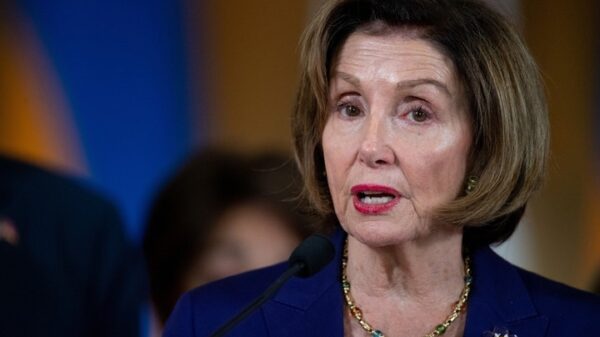
Historically, the role of Speaker of the House has evolved from a nonpartisan moderator to a powerful party leader, especially since the 20th century. Nancy Pelosi, the first female speaker, managed to unite a diverse coalition to pass landmark legislation like the Affordable Care Act. In contrast, Johnson faces the challenge of reconciling his party’s loyalty to Trump with the responsibilities of Congress.
This transformation of the speaker’s role has been exacerbated by recent events. The removal of former Speaker Kevin McCarthy in 2023 highlights the precariousness of leadership in the current political climate, where party loyalty often trumps bipartisan cooperation.
Experts warn that Johnson’s approach could have lasting repercussions for Congress’s power. Dr. SoRelle Wyckoff Gaynor, an Assistant Professor of Public Policy and Politics at the University of Virginia, emphasizes the historical context: “The gradual concentration of authority has made the speaker’s office more responsive to party demands but risks sidelining the legislative body’s core functions.”
As Congress remains inactive, critical issues affecting millions, from healthcare to national security, are left unresolved. The absence of formal debates and policymaking diminishes the role of elected representatives in favor of unelected officials and bureaucrats making key decisions.
Looking ahead, the pressure is mounting on Johnson to navigate this tumultuous landscape. Congressional members and their constituents are increasingly frustrated by the lack of action and the perception that party loyalty is taking precedence over the people’s needs. The coming weeks will be crucial as calls for a return to session intensify, and the future of congressional authority hangs in the balance.
This situation presents not only a political crisis but also a significant constitutional challenge. As America watches closely, the role of the Speaker of the House will be tested like never before, with the potential to reshape the legislative landscape for years to come.
Stay tuned for further updates on this urgent situation as it develops.