









































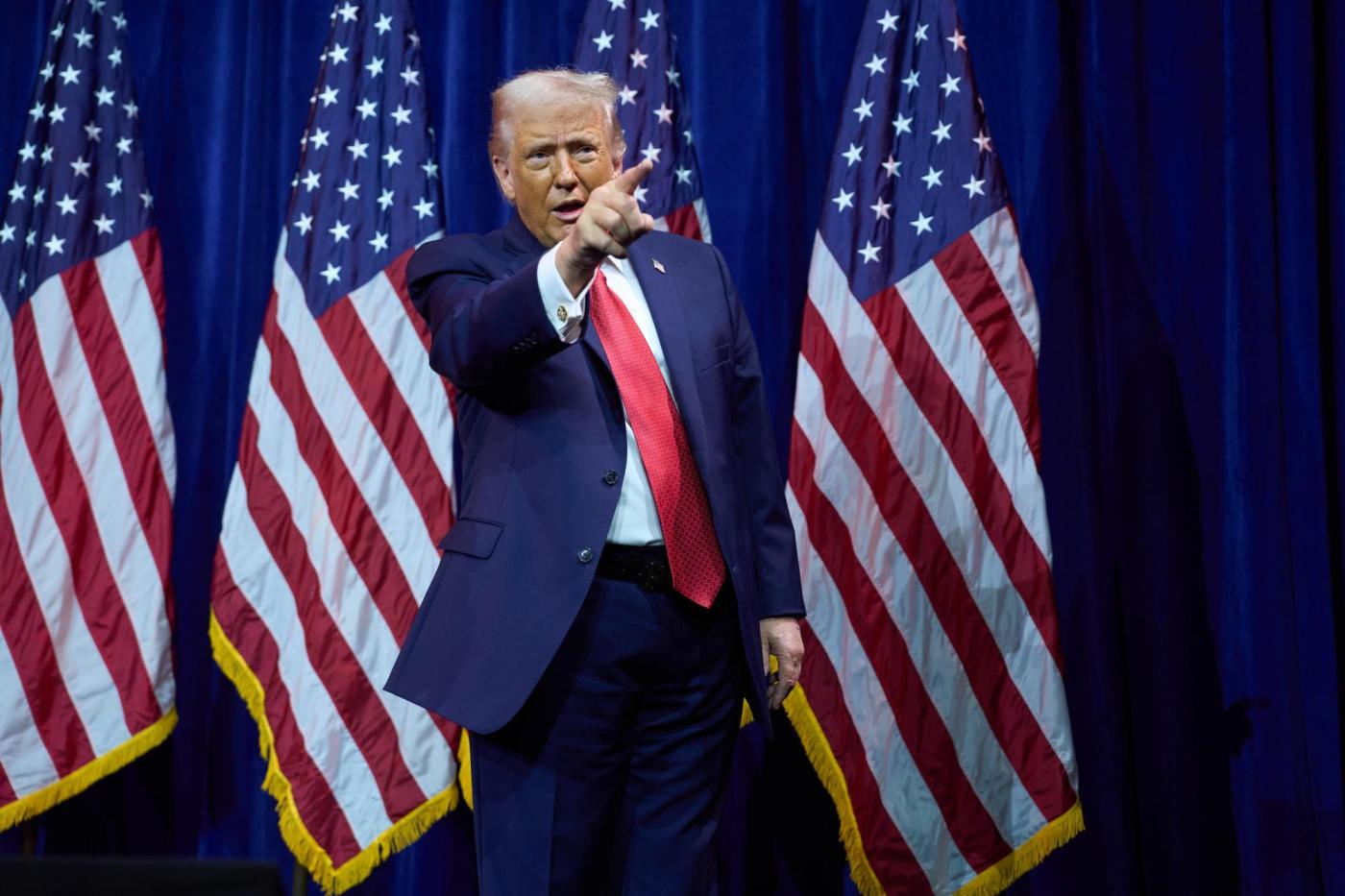
Americans are primarily focused on domestic issues such as job security and managing weekly expenses. Yet, the foreign policy actions of President Donald Trump have sparked significant concern. His recent comments regarding the situation in Venezuela and the potential for military action against Greenland have raised alarms about the implications for international relations and U.S. credibility on the world stage.
Trump has defended the idea of capturing Nicolás Maduro, the Venezuelan leader, by framing it as an effort to apprehend an indicted criminal. The legality and morality of his approach, however, are questionable. Critics argue that Trump’s suggestion of potential military action to change Maduro’s regime lacks proper congressional authorization. Senator Lindsey Graham has likened Maduro’s situation to that of Manuel Noriega, the former leader of Panama, whose capture in 1990 was justified on similar grounds. However, the intention behind that action was not to govern Panama, as Trump has indicated regarding Venezuela.
The Senate has taken notice of Trump’s aggressive stance towards Venezuela. Recently, a bill moved forward with bipartisan support, including votes from five Republicans, aiming to restrict the president from pursuing further military actions in the region. This legislative response reflects growing concern among lawmakers about the potential consequences of Trump’s foreign policy decisions.
The situation becomes even more troubling when considering Trump’s remarks about Greenland. The White House has not dismissed the prospect of using military force to acquire the territory, which belongs to NATO ally Denmark. Such rhetoric raises serious questions about U.S. intentions and its relationships with allies, particularly given the absence of a clear rationale for such actions. The prospect of military intervention against a NATO ally is unprecedented and could undermine longstanding alliances.
Critics of Trump’s administration point out that this approach could set a dangerous precedent. If the U.S. were to justify military action based on perceived national security benefits, it opens the door for other nations, like China, to similarly rationalize their territorial ambitions. For example, China could apply Trump’s rationale to its claims over Taiwan. This perspective could further complicate global stability, particularly as international tensions rise.
Moreover, the implications of Trump’s stance on Venezuela cannot be overlooked. While he has characterized Maduro as a cruel dictator, the motivations behind U.S. involvement appear tied to resource acquisition, notably oil, rather than solely humanitarian concerns. This leads to questions about U.S. moral authority, especially in light of its criticism of countries like Russia for their aggressive actions, such as the ongoing conflict in Ukraine.
In summary, the foreign policy direction taken by President Trump raises significant concerns about its potential ramifications for international relations. As the world watches, the administration’s approach to both Venezuela and Greenland could redefine how the United States engages with its allies and adversaries alike. With legislative pushback emerging and potential international fallout looming, the need for a more measured and lawful approach to foreign policy has never been clearer.
















