









































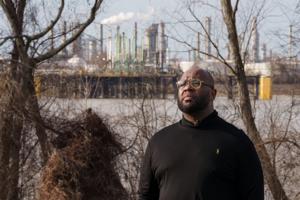
The Trump administration has officially revoked a crucial scientific finding that recognized climate change as a significant threat to public health. This decision is expected to disproportionately affect marginalized communities, particularly those of color. Research indicates that Black, Latino, Indigenous, and other racial and ethnic groups are likely to face heightened risks due to environmental policies that lessen regulatory protections.
The Environmental Protection Agency (EPA) had previously identified climate change as a pressing public health concern, linking it to increased heat-related illnesses, respiratory issues, and other health problems. Following the reversal, experts warn that the absence of this recognition could undermine efforts to combat these widespread health threats.
Communities already facing systemic inequities may suffer the most from this policy change. According to a report by the **American Public Health Association**, individuals living in low-income areas often experience higher levels of pollution and are less equipped to adapt to the impacts of climate change. For instance, the report highlights that over **60%** of people living in these communities are people of color, emphasizing the intersection of environmental justice and public health.
Health Risks Amplified by Climate Change
The detrimental effects of climate change are not evenly distributed. Vulnerable populations often reside in regions more susceptible to climate-related disasters, such as floods and heatwaves, which can exacerbate existing health disparities. A study published in **The Lancet** found that climate change is projected to cause an additional **250,000** deaths annually between **2030 and 2050** due to malnutrition, malaria, and heat stress, disproportionately impacting marginalized groups.
Community leaders have voiced their concerns over the rollback of climate health protections. **Dr. Maria Gonzalez**, a public health expert and advocate for climate justice, stated that “this decision undermines years of progress towards recognizing the health impacts of climate change on vulnerable populations.” She emphasized the need for policies that prioritize the health of those most affected by environmental degradation.
Moreover, the economic implications of this policy shift could be significant. Communities that struggle to adapt to climate impacts may face increased healthcare costs and loss of productivity, further entrenching cycles of poverty. The **National Institute of Health** estimates that the economic burden of climate-related health issues could reach **$820 billion** by **2050** if current trends continue.
Calls for Action and Advocacy
In light of these developments, advocacy groups are urging the Biden administration to restore the scientific findings that affirm climate change’s health risks. Activists argue that reinstituting these protections is vital for promoting environmental equity and safeguarding public health.
Organizations such as the **Sierra Club** and the **Natural Resources Defense Council** are mobilizing communities to demand accountability from policymakers. They emphasize that climate justice cannot be achieved without acknowledging the disproportionate impact of environmental policies on communities of color.
As the debate continues, the health ramifications of climate change remain at the forefront. The consequences of the Trump administration’s rollback are likely to resonate for years, particularly among those who already bear the brunt of environmental injustices. The path forward calls for a renewed commitment to science-based policies that protect the health of all communities, especially those most at risk.
















