
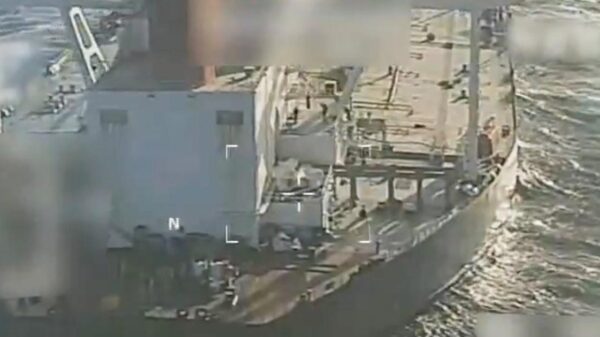

































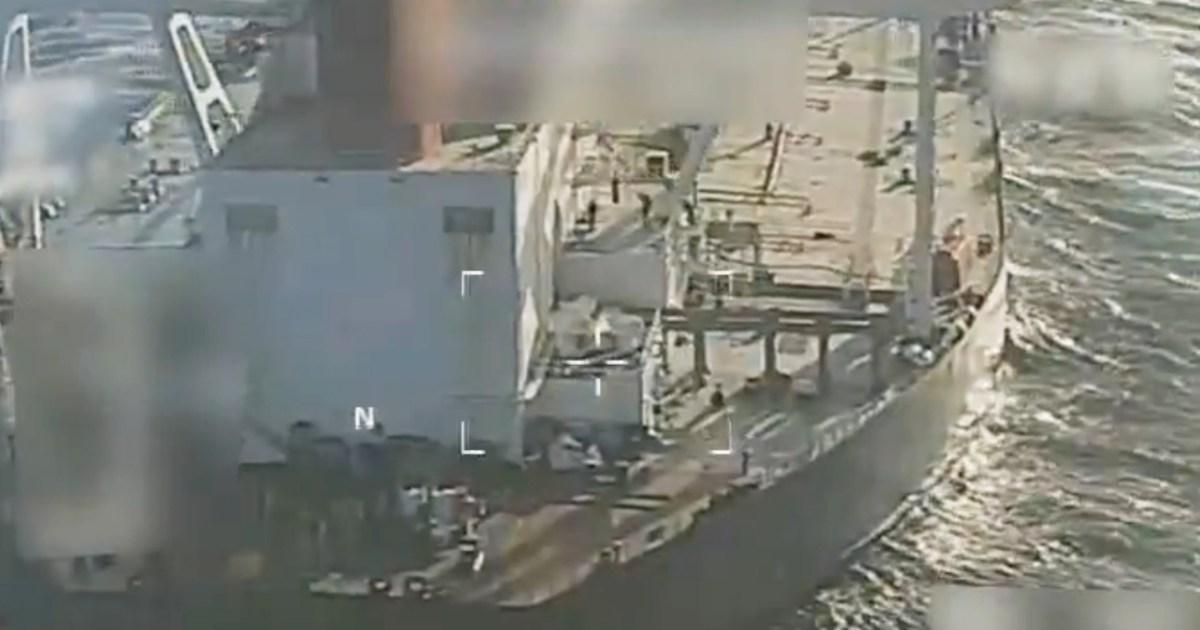
UPDATE: The U.S. government has just confirmed the seizure of a massive oil tanker off the coast of Venezuela, escalating tensions between Caracas and Washington. This incident marks a significant development in the ongoing conflict surrounding drug trafficking and territorial disputes, with Venezuela accusing the U.S. of “international piracy.”
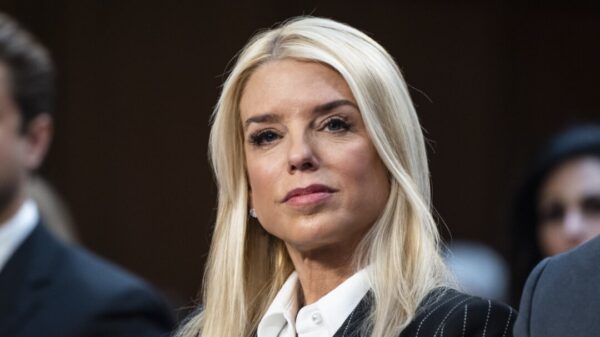
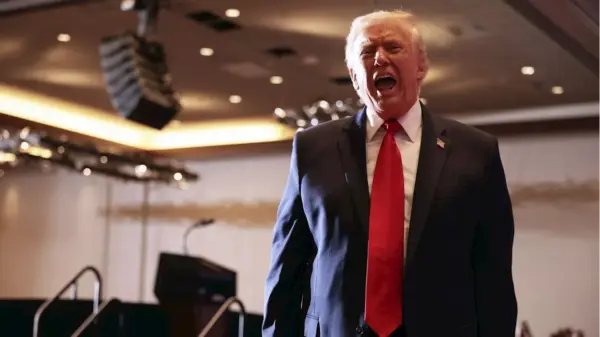
The tanker, reportedly transporting sanctioned oil from Venezuela and Iran, was seized as part of a broader military strategy known as Operation Southern Spear, aimed at curbing drug trafficking into the United States. U.S. Attorney General Pam Bondi released footage of the operation, while President Donald Trump boasted, “We’ve just seized a tanker on the coast of Venezuela. Largest one ever seized, actually. And other things are happening.”
Venezuelan officials, led by President Nicolas Maduro, condemned the seizure, asserting that it reveals the true motives behind U.S. aggression: control over Venezuela’s vast natural resources. “It has always been about our natural resources, our oil, our energy,” stated a government representative.
The U.S. has significantly increased its military presence in the Caribbean, with the USS Gerald R. Ford, the world’s largest aircraft carrier, joining the fleet earlier this month. This escalated military posture raises concerns about potential airstrikes against Venezuelan targets.
In a recent statement, a U.S. official emphasized that President Trump is prepared to use “every element of American power” to combat the flow of drugs into the country. This comes on the heels of multiple airstrikes aimed at alleged drug boats in Venezuelan waters, raising legal questions over the actions taken by U.S. forces. A September strike against a Venezuelan gang resulted in the deaths of 76 people, prompting criticism from international observers.
Despite claims from the Trump administration linking Venezuelan gangs to drug trafficking, a 2020 report from the U.S. Drug Enforcement Administration revealed that only 8% of cocaine entering the U.S. originated from Caribbean routes. The majority is trafficked through Mexico by cartels.
While an outright war remains unlikely, the concentration of U.S. military assets in the region suggests possible airstrikes if tensions escalate further. Current troop levels, however, are insufficient for a full land invasion. Should military action occur, Venezuela’s aging defense systems may struggle against advanced U.S. weaponry.
As the situation unfolds, international airlines have begun canceling flights to Venezuela following warnings from the Federal Aviation Administration about heightened military activity. This has led to increased fears of a potential conflict in the region.
With Venezuela’s military capabilities already under scrutiny, the lack of modern equipment poses a significant disadvantage. Although Maduro’s government has allies in Russia, China, and Iran, support has yet to materialize amid rising tensions.
This developing story highlights the urgent need for a diplomatic resolution as both nations navigate the complexities of international law and military engagement. As the U.S. government ramps up its operations, the implications for regional stability and global security remain profound.
Stay tuned for more updates as this story develops.