




































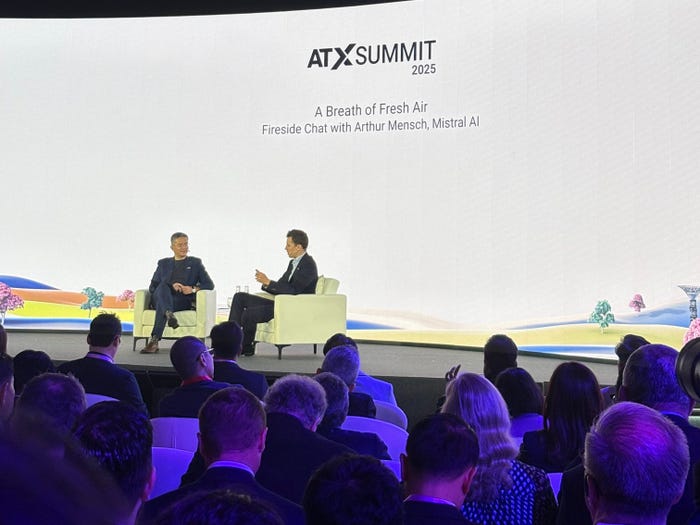
UPDATE: As artificial intelligence (AI) continues to dominate the tech landscape, new insights from over 50 industry leaders reveal urgent lessons for the workforce. These revelations, gathered from various conferences and interviews throughout the year, highlight how AI is reshaping jobs and skill requirements at an unprecedented pace.
WHAT YOU NEED TO KNOW NOW: AI fluency and strong soft skills are becoming essential in the workplace. “Every job will be affected, and immediately,” warns Jensen Huang, CEO of Nvidia, stressing that employees who fail to embrace AI tools risk being outpaced by those who do. This sentiment echoes across the tech community, with leaders emphasizing the need for adaptability in a rapidly changing job market.
In a striking statement, Sam Altman, CEO of OpenAI, expressed optimism for new graduates, stating, “If I were 22 right now and graduating college, I would feel like the luckiest kid in all of history.” However, he cautioned that older workers may struggle as AI transforms traditional roles. Meanwhile, Fei-Fei Li of Stanford bluntly stated that resistance to AI is a dealbreaker for hiring at her startup, World Labs, highlighting the critical importance of staying current with technology.
SOFT SKILLS AT A PREMIUM: Tech leaders are increasingly recognizing that as AI automates tasks, human skills like empathy and collaboration will become more valuable. Peter Schwartz, Salesforce’s Chief Futures Officer, noted, “The most important skill is empathy, working with other people.” As teams become leaner, the ability to work effectively with others is now paramount.
AI EVOLUTION AND URGENCY: The urgency surrounding AI’s evolution cannot be overstated. Leaders are racing towards artificial general intelligence (AGI), with projections for superintelligence by 2030. Mark Zuckerberg emphasized this urgency, declaring he would rather risk substantial financial losses than fall behind in the superintelligence race. As new AI tools emerge at a dizzying pace—such as ChatGPT’s latest features and advancements in AGI technology—the stakes have never been higher.
HUMAN CONTROL IN FOCUS: Amidst the rapid advancements, the call for human agency remains crucial. Mustafa Suleyman, Microsoft’s AI Chief, cautioned that superintelligence must support human interests, not override them. The potential misuse of AI poses significant risks, as highlighted by Dario Amodei of Anthropic, who warned of the life-threatening implications of autonomous AI systems.
As these discussions unfold, industry leaders agree on one point: safeguarding humanity in the face of smarter-than-human AI is the central challenge ahead. Geoffrey Hinton, often called the “godfather of AI,” emphasized the need for AI systems to care about humanity even as they surpass human intelligence.
NEXT STEPS: As these lessons from the tech elite gain traction, professionals across industries must prioritize AI fluency and enhance their soft skills to remain competitive. The evolving landscape of AI demands immediate attention and action from all sectors of the workforce.
Stay tuned for further updates as this story develops, and prepare to adapt to the changing dynamics of work in the age of AI.