









































BREAKING NEWS: The tech industry is currently grappling with the fallout from five major blunders that have cost companies billions and left users frustrated. New revelations highlight how ambitious visions have turned into cautionary tales, with $70 billion lost in the case of Meta’s Metaverse alone.
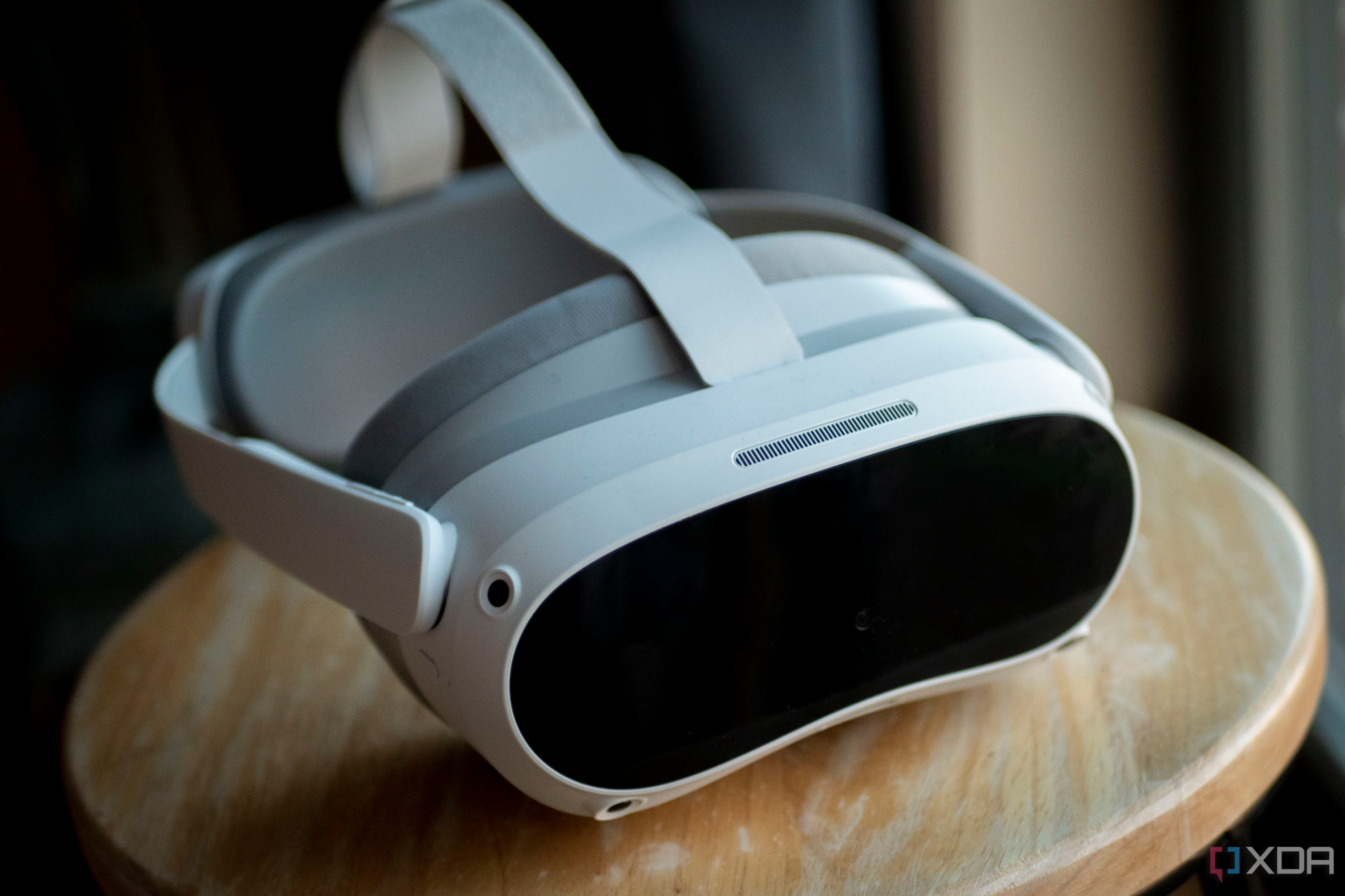
In a stunning turn of events, Meta, formerly known as Facebook, has experienced a catastrophic decline since its 2021 rebranding. Mark Zuckerberg’s ambitious Metaverse vision has transformed into a financial black hole, forcing the company to lay off 1,500 employees from its Reality Labs division as it shutters multiple VR studios. The flagship app, ‘Horizon Worlds’, struggles to maintain even 900 active daily users, a stark contrast to the glowing promises made just two years ago.
UPDATE: As of 2026, the Metaverse is not only failing to attract users but is also increasingly viewed as a digital wasteland, raising urgent questions about the viability of virtual reality as a mainstream platform.
Another significant flop comes from the failed wave of 3D displays that captivated audiences during the 2009 release of James Cameron’s Avatar. Manufacturers rushed to produce 3D TVs and laptops, often requiring uncomfortable glasses that caused headaches. Today, the industry has pivoted back to 4K UHD technology, leaving 3D displays in the dust.
Similarly, Google’s foray into wearable tech with Google Glass in 2013 ended in disappointment. The $1,500 price tag and awkward design led to its swift demise by 2015. Now, the tech giant plans to relaunch AI-powered glasses in 2026, hoping to capitalize on recent trends in wearable technology, despite past failures.
The promise of motion control interfaces also fell flat, despite initial excitement around products like Microsoft’s Kinect and Sony’s PlayStation Move. As of 2026, these technologies have largely disappeared from the mainstream, with consumers favoring traditional input methods for their simplicity and reliability.
Finally, the push for AI PCs has been met with skepticism. Major companies like Intel, AMD, and Microsoft have invested heavily in technology designed to enhance everyday tasks, yet reports indicate that these AI features have failed to entice consumers. Despite promises of advanced capabilities, recent statements from industry leaders reveal that sales have not met expectations, prompting urgent calls for a reevaluation of market strategies.
The tech industry’s recent history serves as a stark reminder that innovation must prioritize user experience over flashy promises. As companies navigate these failures, the impact on consumers is undeniable. Users are left questioning the value of cutting-edge technology that ultimately fails to meet their needs.
NEXT STEPS: As we move into 2026, all eyes will be on these tech giants as they attempt to recover from these costly missteps. Stay tuned for updates on how these developments will reshape the tech landscape and what new innovations may emerge.
















