





































UPDATE: A tech enthusiast has made waves in the note-taking community after switching from Obsidian to Affine, discovering unexpected advantages that could change how users approach digital note management. This transition, sparked at the recent Maker Faire Shenzhen, highlights critical differences between the two popular applications.
The user, a long-time Obsidian devotee, initially hesitated to explore Affine, assuming it would be just another variant of their existing tool. However, after a hands-on experience, they have fully migrated their notes to Affine and are now advocating for its unique features and functionality.
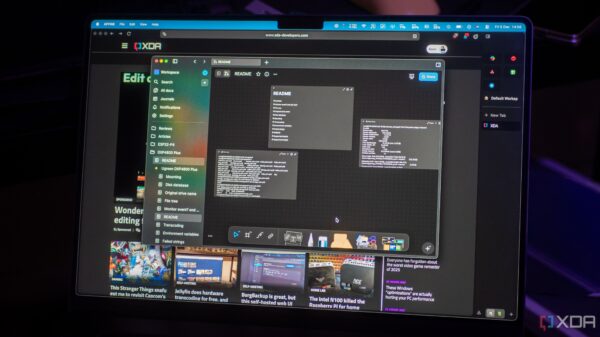
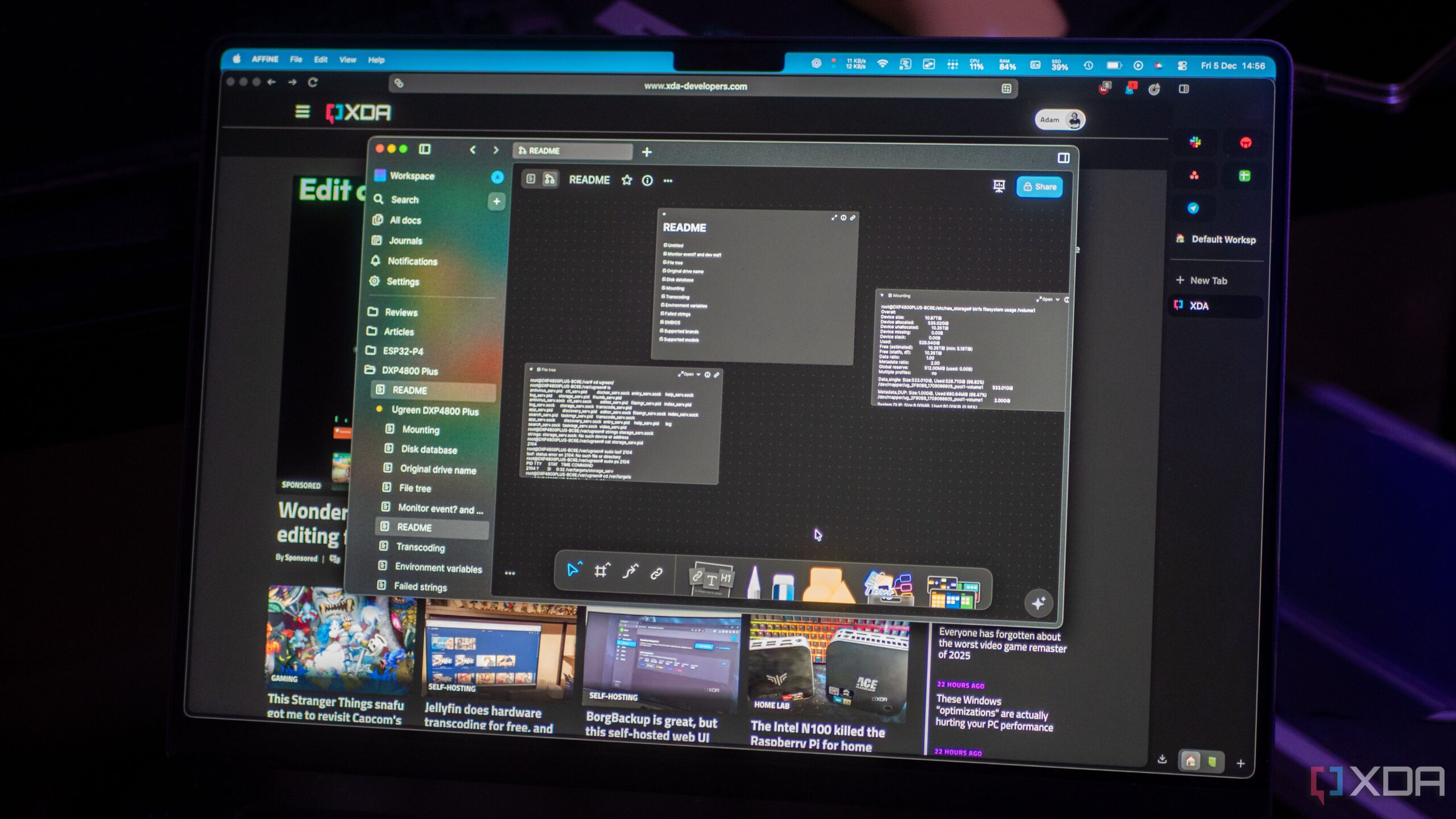
What makes this switch significant? As an alternative to Obsidian, which mainly focuses on a minimalist structure and a powerful plugin ecosystem, Affine offers a multifaceted approach. It combines document creation, whiteboarding, and database functionalities—all within a single interface. This shift could be pivotal for users seeking a more integrated experience.
The user’s transition involved a self-hosted instance of Affine running on Proxmox with Docker. They seamlessly integrated Tailscale for secure remote access and Caddy for SSL management. This configuration allowed for a smooth syncing experience, even when switching between devices—something that Obsidian had struggled with during the user’s previous setup.
“I added to a note from my phone while offline, and it merged effortlessly when I reconnected,” the user noted, highlighting a feature that sets Affine apart from its competitors. Unlike Obsidian, where conflict resolution can be tedious, Affine automatically syncs notes across devices, simplifying the user experience.
The user shared that their initial assumptions about Affine as a simplistic tool were quickly proven wrong. They found that Affine does not merely imitate Obsidian but instead offers a distinct philosophy on note-taking. While Obsidian thrives on a comprehensive plugin ecosystem, Affine prioritizes out-of-the-box functionality, which has allowed the user to spend more time writing and organizing ideas instead of configuring settings.
“Sometimes the best tool is the one that gets out of your way,” the user remarked, emphasizing the importance of a tool that aligns with personal workflows. This realization has led to increased productivity as they focus more on content creation rather than technical setups.
Despite the advantages, the user noted a few drawbacks, such as the Affine Cloud feature, which they do not utilize, and minor inconveniences in importing templates. However, these issues did not overshadow the overall positive experience.
For those currently using Obsidian and satisfied with their setups, the user advised against an unnecessary switch. However, they encourage users frustrated with syncing issues and plugin dependencies to explore Affine as a viable alternative. The self-hosted platform offers control over data while providing modern collaboration features, making it an attractive option for many.
As this trend grows, the community may need to pay attention to how tools like Affine can reshape note-taking practices for users worldwide. The dynamic between these applications could lead to significant advancements in how individuals manage and utilize their notes, emphasizing the shift toward user-centric design.
Stay tuned for more updates on this developing story as more users explore the capabilities of Affine and share their experiences.