









































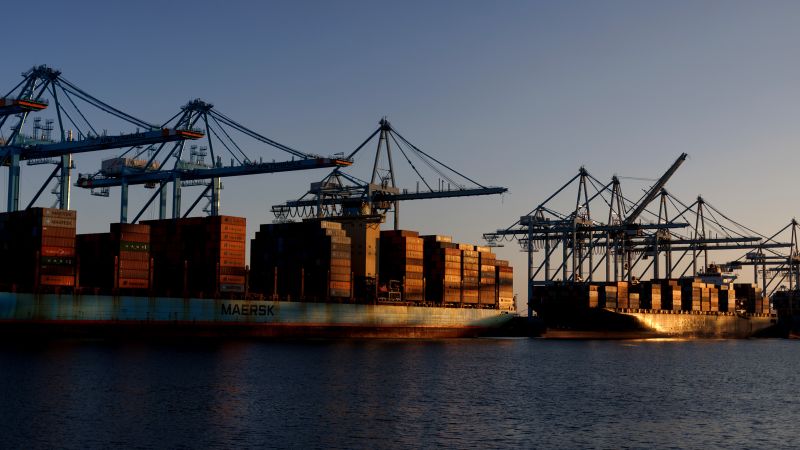
UPDATE: A significant surge in tariffs is expected to hit American consumers hard in 2026, as businesses begin to pass on increased costs to customers. Following a staggering $187 billion in tariff revenue collected in 2025, nearly a 200% increase from the previous year, experts warn that prices could rise sharply this year.
According to JPMorgan, businesses initially absorbed about 80% of tariff costs last year. However, as inventory levels dwindle, many are now forced to pass these costs onto consumers, with projections indicating that this burden could shift to 20% for customers by later this year. “A lot of our clients really didn’t want to pass the costs on, but now they’re really having to,” stated Kyle Peacock, principal at Peacock Tariff Consulting.
With inflation already impacting households—Federal Reserve Chair Jerome Powell noted that tariffs were responsible for half of the inflation rise beyond the 2% target—the looming price hikes could exacerbate financial strain for many Americans. Prices for essential goods, especially groceries, are expected to rise first, as retailers with thin profit margins are less able to absorb increased costs.
As President Donald Trump navigates these challenges ahead of the midterm elections, he faces a critical decision: maintain the current tariff strategy or reduce them to alleviate pressure on consumers. Trump has a history of reversing tariff threats, with the acronym TACO—“Trump Always Chickens Out”—trending on Wall Street during the summer months.
Earlier this year, Trump delayed imposing large tariffs on various goods, including furniture and pasta, indicating a potential shift in approach as political vulnerabilities emerge. The White House has remained tight-lipped about these decisions, but they suggest an administration grappling with the repercussions of heightened living costs.
The Supreme Court’s forthcoming decision on the legality of these tariffs could drastically reshape the landscape. With $130 billion in tariffs being challenged, a ruling against the Trump administration could lead to refunds for businesses and reduce the scope for future tariff increases. Peacock emphasizes that many companies’ pricing strategies in 2026 hinge on the Supreme Court’s verdict, expected in the coming weeks.
Goldman Sachs economists estimate that tariffs contributed to a 0.5% increase in inflation for 2025 and predict an additional rise of 0.3% in just the first half of 2026. Price increases could vary widely based on product type, with groceries likely to be among the hardest hit.
As businesses strategize on how to manage these impending costs, some are already planning price adjustments for the beginning of the year. Others may wait until later in the first quarter or into the second quarter, further complicating financial plans for households.
The human impact of these potential price hikes cannot be overstated. With consumers already feeling the pinch of rising prices, any increase in essential goods could lead to greater financial strain and dissatisfaction with current economic conditions. As affordability remains a key concern, Trump’s ability to navigate this complex situation will be crucial not only for his administration but for millions of struggling American families.
Stay tuned as this situation develops, and brace for possible changes in pricing that could hit your wallet sooner than expected.
















