









































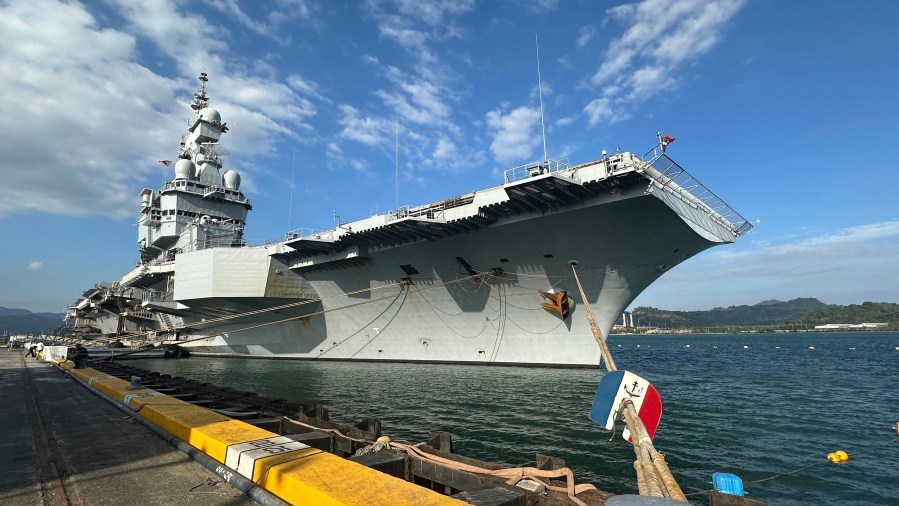
Swedish military forces intercepted a suspected Russian drone off the southern coast of Sweden while a French aircraft carrier was docked in the port city of Malmö. On August 30, 2023, a Swedish naval vessel detected the drone during a routine patrol in the Öresund strait, an important maritime route connecting the Baltic Sea to the North Sea.
The incident underscores ongoing tensions in the region, particularly concerning airspace security and surveillance. According to a statement from the Swedish Armed Forces, the drone was monitored closely before the decision to intercept was made. This marked a significant moment, as it coincided with the presence of military forces from France, which may have heightened the strategic implications of the encounter.
Military Response and Implications
The Swedish military’s interception of the drone highlights the nation’s commitment to safeguarding its airspace. Sweden has increased its military readiness in response to perceived threats from Russia, particularly in the wake of heightened tensions following the invasion of Ukraine.
In recent months, Sweden has conducted various military exercises and enhanced its surveillance capabilities in the region. The presence of the French aircraft carrier, which is part of a broader NATO effort to bolster security in Northern Europe, further emphasizes the collaborative defense strategies being employed by allied nations.
Officials have not disclosed the specific details regarding the drone, including its capabilities or intended mission. This lack of information raises questions about the nature of such surveillance activities. The Swedish Armed Forces confirmed that they are investigating the incident further to ascertain the drone’s origin and purpose.
Regional Security Concerns
The interception of the suspected drone adds to a series of similar incidents in Northern Europe. Countries in the region have expressed increasing concern over Russian military activity near their borders. Sweden’s proactive approach to intercepting potential threats reflects a broader trend among NATO member states to enhance their defensive postures in the face of perceived aggression.
As international military dynamics shift, the role of regional allies becomes increasingly critical. The collaborative efforts between Sweden and France, especially in conducting joint exercises and maintaining open lines of communication, are vital for ensuring regional stability.
The situation remains fluid, with military officials continuing to monitor developments closely. The incident serves as a reminder of the complex security landscape in Europe and the ongoing need for vigilance in safeguarding national interests. As more details emerge, the implications of such encounters will likely resonate beyond the immediate geographical area, influencing diplomatic and military strategies across the continent.
















