









































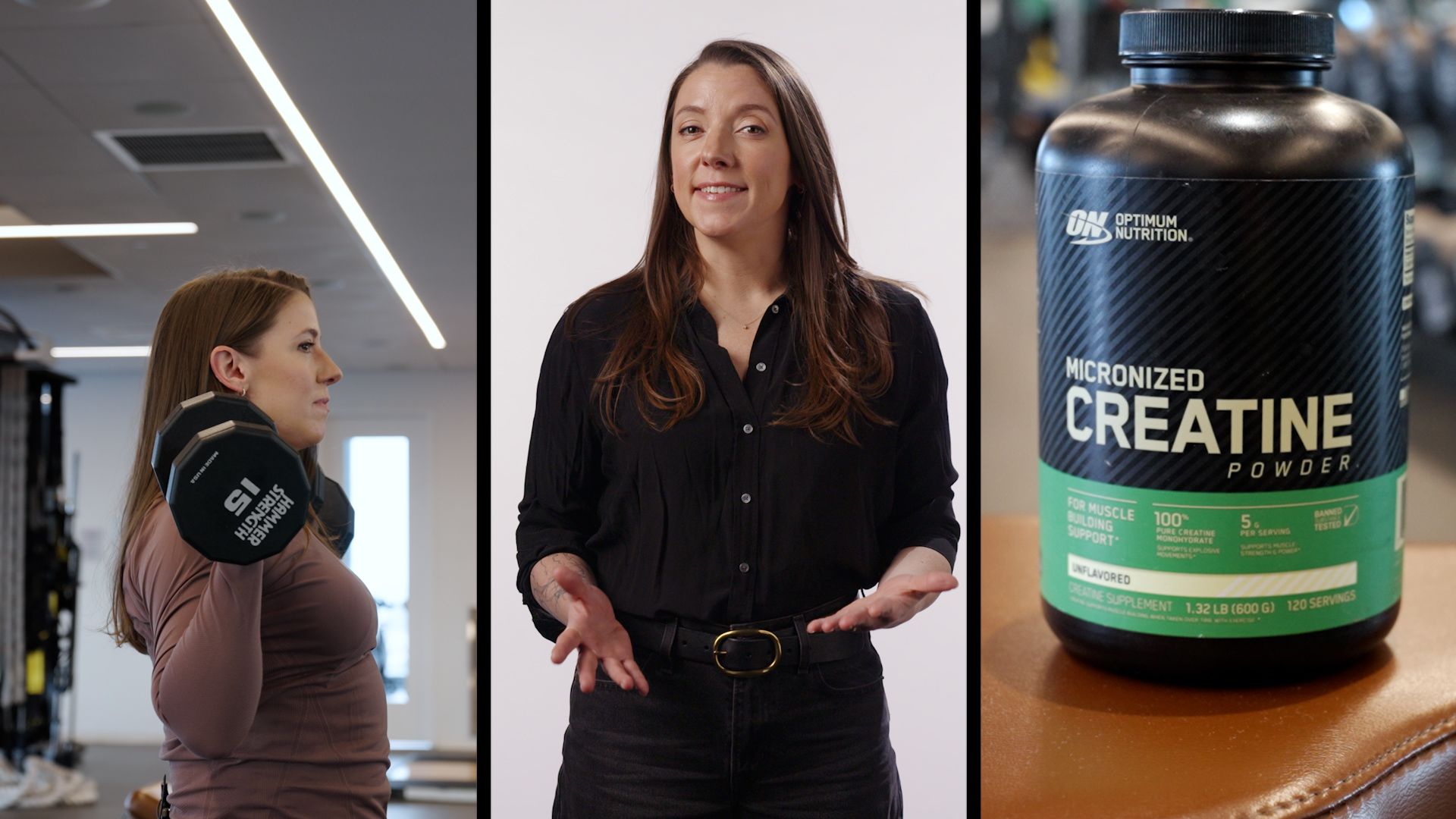
UPDATE: The fitness supplement creatine is experiencing an unprecedented surge in popularity, with sales projected to exceed $424 million in 2024, according to new data from Jungle Scout. This explosive growth comes as fitness influencers and health advocates promote its benefits beyond muscle building, suggesting improvements in mood and cognitive function.
New reports confirm that the wellness industry is capitalizing on creatine, a compound produced naturally in the body, which is now touted as a must-have for both physical and mental enhancement. The hype has reached a fever pitch, with countless TikTok videos showcasing users claiming profound benefits from daily supplementation.
Why this matters NOW: As consumers increasingly seek effective health solutions, the burgeoning interest in creatine could reshape the supplement market. Creatine’s perceived versatility—supporting muscle growth, aiding recovery, and potentially enhancing cognitive abilities—has drawn attention from millennials and Gen Z alike, many of whom are keen to optimize their health routines.
Experts weigh in on the trend. Annie Wilson, a senior lecturer at the University of Pennsylvania‘s Wharton School, emphasizes the marketing power of wellness terminology: “You can never have enough or too much of it.” The appeal of creatine is especially strong among younger demographics, who are eager to build muscle and enhance overall well-being.
A significant portion of the buzz around creatine is fueled by social media. Influencers present the supplement in various ways, from scientifically-backed testimonials to visually engaging workout videos. Creatine has gained traction not just as a fitness enhancer but also as a cognitive booster. Recent studies indicate that it may improve memory and mood, particularly among women and older adults.
Dr. Michael Fredericson, a sports medicine physician at Stanford University, supports these claims, stating, “Creatine is safe and effective for all age groups… There’s just not really any downside to it.” His endorsement adds credibility to the supplement’s touted benefits and could encourage hesitant consumers to join the growing creatine movement.
As the trend continues to expand, potential buyers should be aware of the cultural baggage associated with creatine. Once linked with performance-enhancing scandals in sports, including those involving former MLB star Mark McGwire, creatine’s reputation has evolved as research highlights its safety and efficacy.
However, experts caution that users should approach supplementation thoughtfully. While daily doses of 5 grams are typically recommended, some advocates suggest higher doses for enhanced effects. This has sparked debate among fitness enthusiasts about the optimal amount for achieving desired results.
As more people experiment with this trending supplement, the conversation around creatine is likely to intensify. Whether it’s through improved athletic performance or enhanced cognitive function, the urgent question remains: Is creatine the key to unlocking your potential?
For those looking to stay ahead in their fitness journeys, now might be the time to explore the benefits of creatine. With the market set to grow and research backing its claims, this supplement could become a staple in health regimens across the globe.
Stay tuned for more updates on the evolving landscape of health and fitness supplements—and what it means for your wellness journey.
















