









































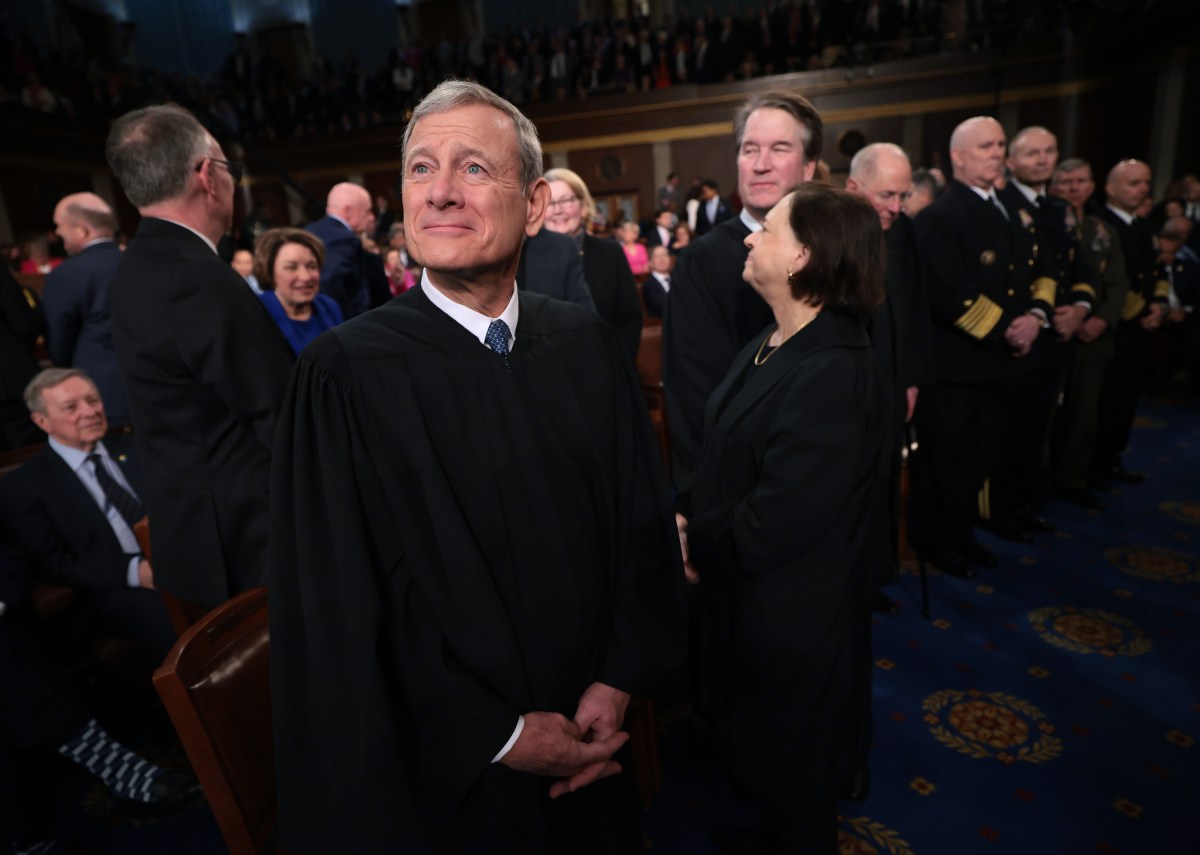
URGENT UPDATE: The U.S. Supreme Court faces severe criticism as former federal prosecutor Joyce Vance claims that the majority of justices have failed to rise to the occasion during a pivotal moment in American history. Vance’s comments come in light of Chief Justice John Roberts’ year-end report, which was released on Friday.
This report emerges at a time of heightened scrutiny for the highest court in the land, with mounting political pressures from President Donald Trump‘s second administration and increasing public skepticism regarding judicial independence. Experts are questioning whether the Court is adequately addressing the challenges posed by current political dynamics.
The 13-page report emphasized the importance of judicial independence, touching on historical principles such as life tenure and salary protections for judges. However, it notably sidestepped direct commentary on the political conflicts involving the federal judiciary that have dominated headlines. Roberts referenced President Calvin Coolidge‘s assertion to seek comfort in the Declaration of Independence, but failed to address contemporary issues, including Trump’s public criticism of judges and calls for their impeachment.
“The past decade has made it clear that our institutions are only as strong as the people in them,” Vance stated, referencing a striking photo of an empty room chosen for the report. “That makes this photo a startling choice for a report about the judiciary, albeit likely unintentional.”
Vance continued, “The majority on this Court has failed to show up in a moment when their institutional voice is desperately needed. The Court has been either unwilling or incapable of meeting the challenge to democracy that Donald Trump poses.”
Roberts concluded his report with a historical reflection, stating, “As we approach the semiquincentennial of our Nation’s birth, it is worth recalling the words of President Calvin Coolidge… every American can turn for solace and consolation to the Declaration of Independence and the Constitution of the United States.”
Legal experts are divided on Roberts’ approach. Barbara McQuade, a former U.S. attorney, expressed approval for Roberts’ reference to Samuel Chase, a signer of the Declaration of Independence who faced impeachment. However, she criticized the Chief Justice for not forcefully advocating for judicial independence during a time of escalating political threats against judges.
As the Supreme Court gears up for a consequential 2026 docket that includes critical cases on presidential authority and immigration limits, the question remains: will the justices step up to defend the integrity of the judiciary amidst rising political tensions?
The immediate impact of this situation is profound, as citizens and lawmakers alike are left wondering about the reliability and impartiality of the judicial system during a time of significant upheaval. The call for more transparency and courage from the Supreme Court has never been more urgent.
As developments unfold, the public and analysts will be watching closely to see how the Court navigates the complexities of law and politics in the coming months.
















