



























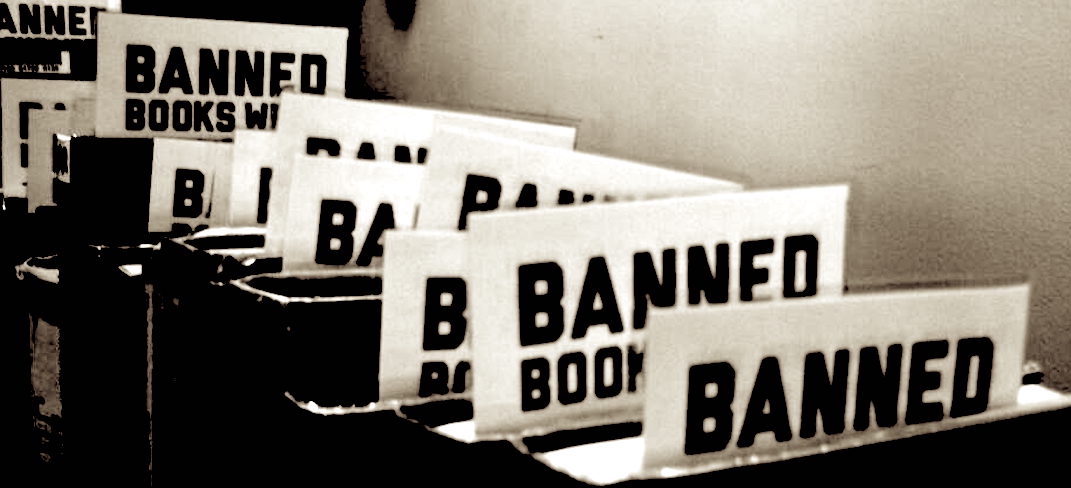
Public libraries in Texas, Louisiana, and Mississippi are now facing a significant setback in their ability to protect the First Amendment rights of patrons. The U.S. Supreme Court recently declined to hear the case of Little v. Llano County, which means the lower court’s ruling will remain in effect, allowing for book bans based on content in public libraries in these states.
The case originated in 2021 when residents of Llano County, Texas, began challenging the inclusion of certain books in their public library system. Titles like Maurice Sendak’s In the Night Kitchen and the sex education book It’s Perfectly Normal were among those removed after local residents voiced concerns. Following the removal of seventeen books, a group of library patrons filed a lawsuit, arguing that these actions constituted a violation of their First Amendment rights to freedom of expression.
Initially, the Fifth Circuit Court of Appeals sided with the plaintiffs, suggesting that the removal of books was indeed a form of censorship. However, shortly thereafter, this ruling was vacated, and a new decision was issued against the plaintiffs, ultimately leading to the Supreme Court’s refusal to review the case.
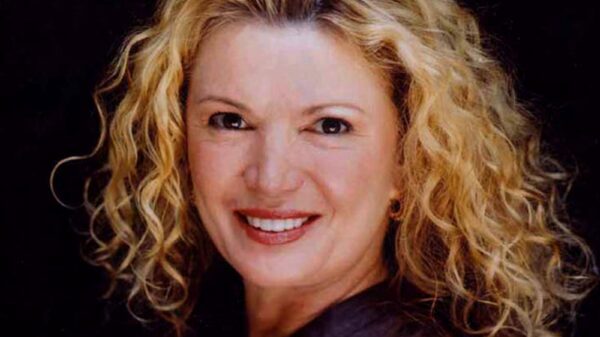
Leila Green Little, the lead plaintiff in the case, expressed her frustration via email, stating, “They will not hear our case. No explanation is given. This means that the en banc ruling of the Fifth Circuit Court of Appeals will remain in effect for Texas, Louisiana, and Mississippi. This means that public library patrons have no First Amendment rights to access information. This means we now live in a censorship state.”
The implications of this ruling are profound. With the Supreme Court’s decision, public libraries in these states are effectively stripped of substantial protections against censorship. The rise of content-based book bans is likely to escalate, affecting not only “red states” but potentially spreading to library systems across the nation.
Supporters of free expression are urged to back organizations dedicated to combating censorship, such as Authors Against Book Bans and PEN America. These groups are at the forefront of advocacy efforts, working to challenge the growing trend of book bans and promote access to diverse literature.
As the landscape of public libraries changes, the legal community and citizens alike are left to ponder the future of free expression in America. The judicial system’s current trajectory raises concerns about the balance of power regarding censorship and the protection of First Amendment rights. The fight against censorship is more critical than ever, as activists prepare for what many anticipate will be a challenging road ahead.
This decision is not just a legal setback; it reflects a broader cultural battle over the availability of information in public spaces. As communities brace for the consequences of this ruling, it is essential to remain vigilant and proactive in safeguarding the rights to access information and diverse viewpoints.