









































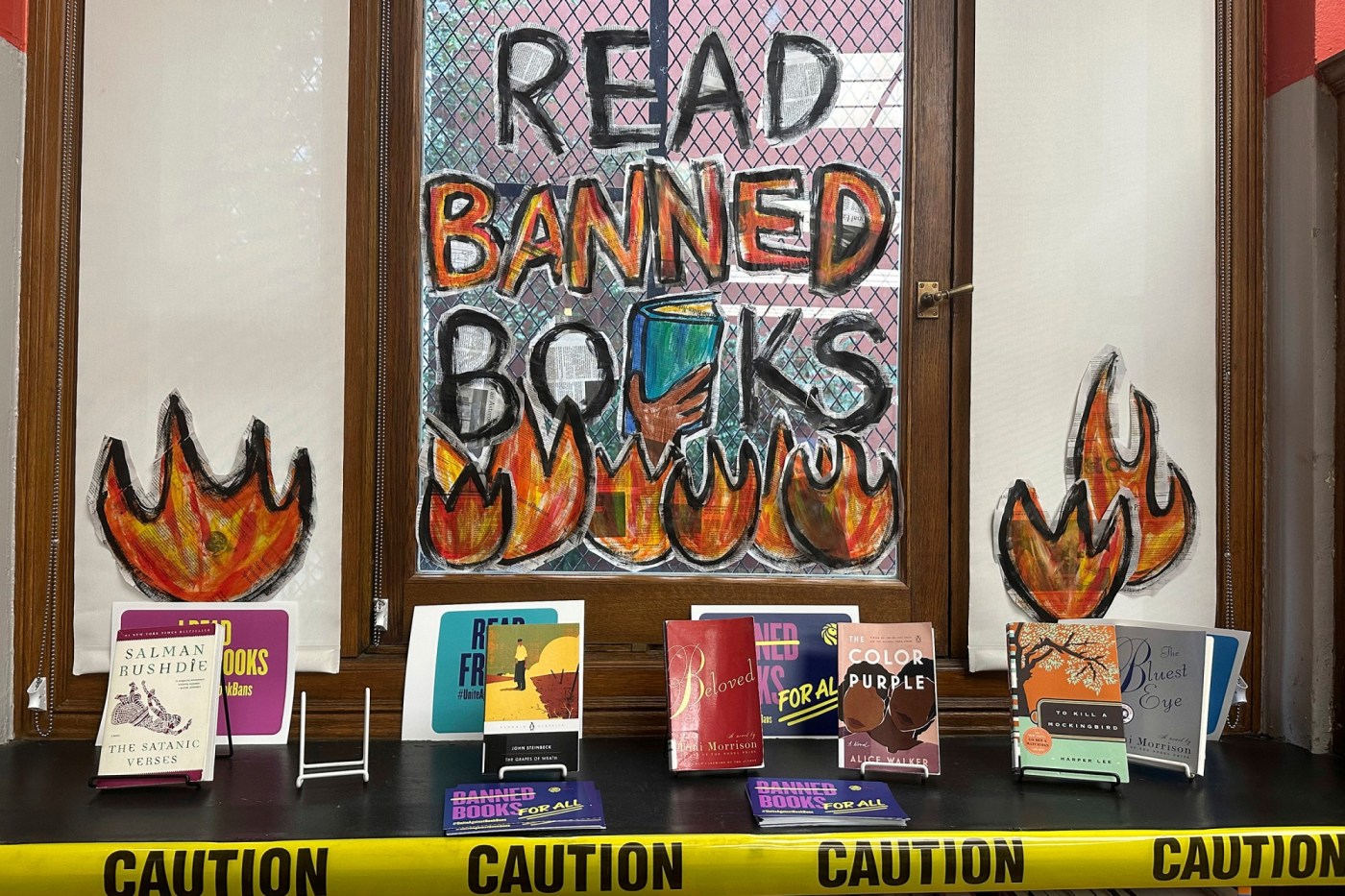
UPDATE: The Supreme Court has just cleared the way for widespread book bans, allowing state officials in Louisiana, Mississippi, and Texas to control which books can be accessed in public spaces. This shocking decision comes after the Court decided to let a 5th U.S. District Court of Appeals ruling stand, marking a pivotal moment in American censorship and free speech.
This ruling allows governors and local officials to dictate what can be read, purchased, and shared, effectively making book banning the law of the land in these states. As a result, observers fear that this power could spread to other states, normalizing a practice that many believe undermines democracy and free thought.
Robert Kesten, executive director of the Stonewall Museum in Fort Lauderdale, warns that denying access to books and culture could lead to the marginalization of individuals and groups. “Without access to uncorrupted information, how do you challenge government?” Kesten states, emphasizing the urgent need for informed citizens in a democracy.
The implications of this ruling extend beyond just books; they threaten the very foundation of a well-informed society. With many media outlets controlled by a handful of corporations, citizens already face challenges in accessing reliable news. This new precedent could exacerbate the situation, leaving marginalized voices further silenced.
The ruling has sparked immediate reactions across the nation, igniting debates about freedom of expression and the role of government in regulating access to information. Citizens are urged to take action. Kesten encourages individuals to engage with literature as a form of resistance: “Pick up a book, challenge yourself, and challenge authority.”
As this situation develops, all eyes will be on how other states respond. Will they follow suit or push back against these bans? The erosion of access to information raises critical questions about the future of democracy in America.
The Trump administration has previously faced criticism for its attempts to control media narratives and silence dissent, making this ruling even more alarming. Observers note that the rise of parental rights groups, reminiscent of past movements like the one led by Anita Bryant, has further emboldened those pushing for censorship.
Information is power, and as Kesten reminds us, it is our right to access it, regardless of how uncomfortable it may make those in power feel. The fight for freedom and democracy is at a critical juncture, demanding immediate engagement and action from all citizens.
Stay tuned for further updates on this developing story and consider how you can be part of the conversation. The choices made today will shape the future of access to knowledge in America.
















