









































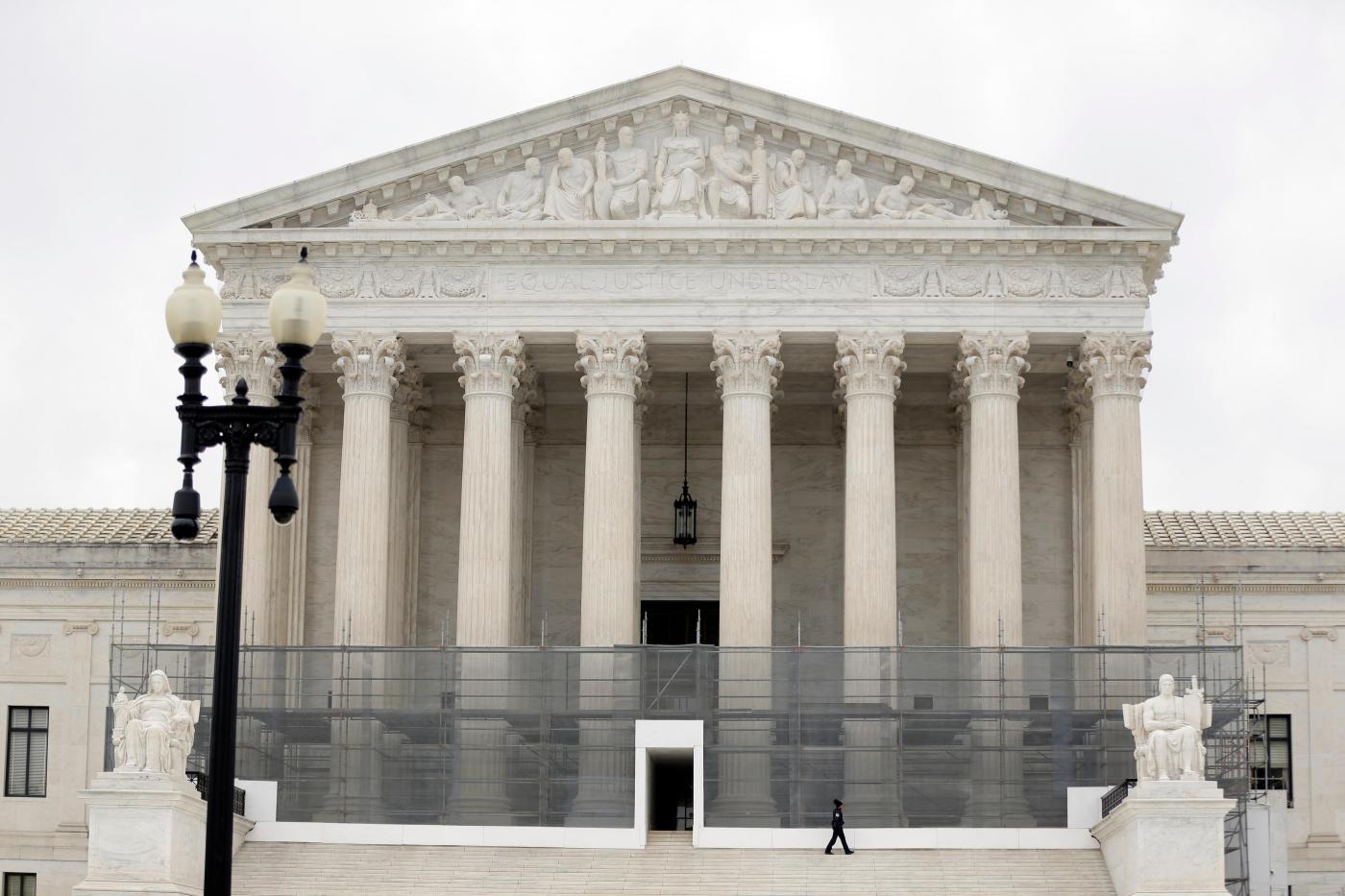
URGENT UPDATE: The U.S. Supreme Court has just confirmed that California’s controversial **Proposition 50** congressional maps will be used in the **2026 elections**, a significant development with major implications for the state’s political landscape. This ruling, delivered on **February 4**, allows California Democrats to potentially secure **five additional House seats**, while the number of Republican-held seats could be slashed to just a few.
The Supreme Court denied an emergency appeal from a coalition of California Republicans and the U.S. Department of Justice, who sought to block the newly drawn maps designed by the state’s voters. This decision solidifies the new boundaries, which critics argue are gerrymandered to favor Democrats. Republican representatives are now expected to face steep challenges in reclaiming lost ground in the upcoming midterms.
Michael Columbo, attorney for the plaintiffs, stated, “While there won’t be an emergency injunction to stop the Proposition 50 maps, our case persists.” The plaintiffs argue that the maps were drawn racially, favoring **Hispanic** voters, which they claim is illegal under the Equal Protection Clause.
Currently, **43** of California’s **52** congressional seats are held by Democrats, while Republicans control only **eight**, with one seat vacant following the death of Rep. **Doug LaMalfa** last month. A special election will fill this vacancy in **August**.
WHY THIS MATTERS: The Supreme Court’s decision dramatically reshapes California’s political dynamics, potentially sidelining Republican candidates and altering representation for many voters. Gov. **Gavin Newsom**, who championed the new maps, celebrated the ruling, asserting, “Donald Trump started this redistricting war. He lost, and he’ll lose again in November.”
The ruling has also sparked concerns among conservative voters in districts like **Huntington Beach**, where they fear losing representation aligned with their values. State Sen. **Tony Strickland** criticized the decision, stating, “When elections are engineered in advance, Democrats, Republicans, and independents all lose, and our democracy is weakened.”
Democratic Congressional Campaign Committee Chair **Suzan DelBene** hailed the ruling as a victory, emphasizing fair representation and the power of the voters over partisan agendas.
The Supreme Court’s decision comes amid a backdrop of ongoing debates about redistricting and gerrymandering across the United States. While the maps are now finalized for **2026**, the legal challenges may continue, as the plaintiffs intend to pursue their case, potentially impacting future elections.
WHAT’S NEXT: With the filing for congressional primaries set to begin on **Monday**, candidates are already adapting to the new landscape. Experts like redistricting authority **Matt Rexroad** note that candidates have been campaigning under the assumption that the Proposition 50 maps would stand, indicating a significant shift in electoral strategies.
As California prepares for the midterms, the implications of this ruling will continue to unfold, shaping the state’s political future and the national conversation surrounding gerrymandering and electoral fairness. Stay tuned for more updates as this story develops.











