









































Knee pain is a prevalent issue, particularly as individuals age. Approximately 5 percent of primary care visits are attributed to knee discomfort. To combat this, orthopedic experts stress the importance of incorporating specific exercises into one’s routine. Contrary to the belief that avoiding movement protects the knees, professionals highlight that regular, purposeful movement is essential for knee health.
Dr. Gbolahan Okubadejo, a spinal and orthopedic surgeon based in New York City, emphasizes that the knee is not as fragile as many believe. “Most people assume the knee is fragile, but the truth is it actually thrives when you move it regularly and with purpose,” he states. The cartilage in the knee lacks its own blood supply, relying instead on movement to absorb essential nutrients. Okubadejo notes that strong knee muscles can act as a natural brace, absorbing shock and protecting the joint from excessive strain.
The consequences of a sedentary lifestyle can be severe. Okubadejo warns that prolonged inactivity accelerates knee degeneration more than moderate exercise ever would. “Building a consistent movement habit keeps the joint lubricated, the surrounding tissue resilient, and your knees functioning well into old age,” he adds.
Why Lunges are Essential
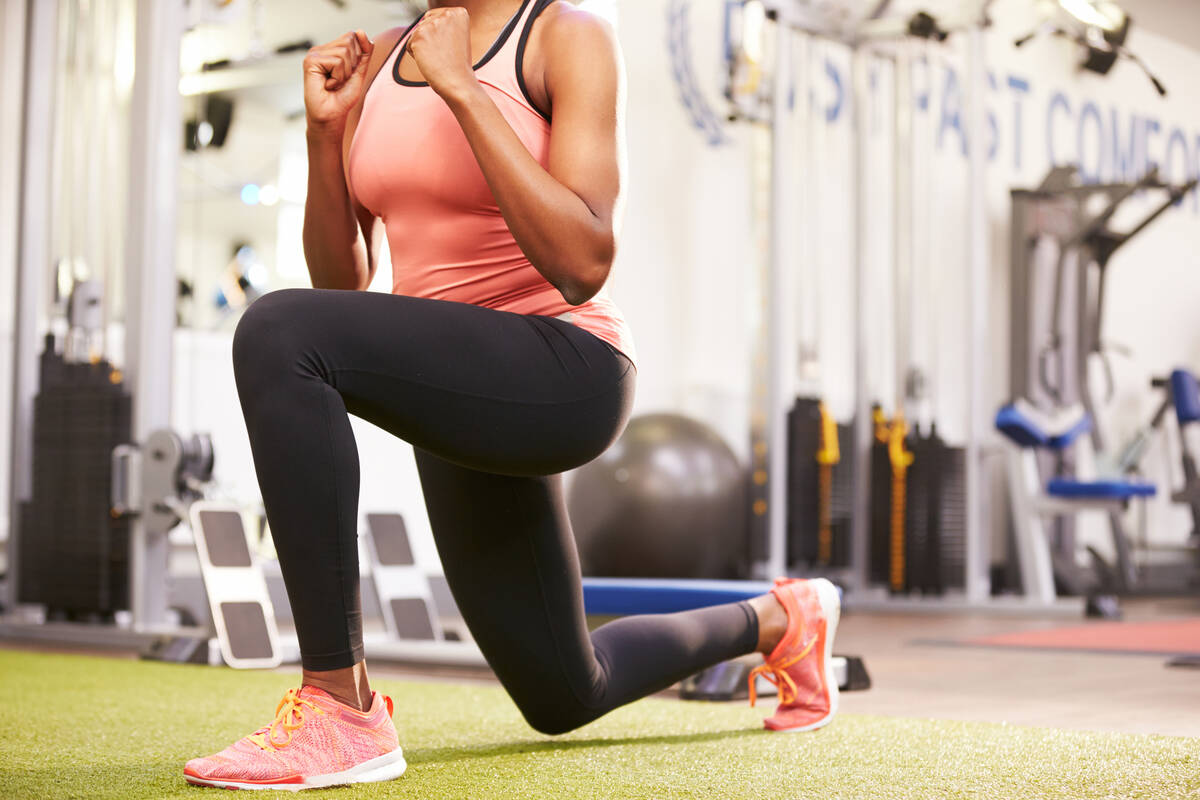
Among the exercises recommended, lunges are highlighted for their effectiveness. Dr. Luke Garbarino, an orthopedic surgeon specializing in hip and knee replacements at Northwell Health, explains that lunges engage multiple muscle groups, including the hamstrings, quadriceps, and gluteal muscles. “The abdominal muscles, hip abductors, and calf muscles are also involved in stabilizing the body during lunges,” he notes.
To support knee health, consistency in performing lunges is vital. Dr. Okubadejo advises aiming for lunges two to three times a week, with a rest day in between. Starting with three sets of 10 repetitions per leg lays a solid foundation without overexerting oneself. He acknowledges that while there is no universally accepted “perfect” number of lunges, regular exercise is key.
Dr. David Shau, an assistant professor at the Burnett School of Medicine at TCU, points out that the optimal number varies based on individual fitness levels. He provides specific guidelines:
– Healthy individuals should perform two to three sets of eight to ten lunges on each leg twice per week, totaling 32 to 60 lunges per leg.
– Those with knee arthritis may start with one to two sets of six to eight lunges per leg once or twice a week, resulting in six to 16 lunges per leg.
– Patients recovering from knee replacement surgery should consult their physician before beginning a similar regimen.
Garbarino adds that for individuals returning from injuries, particularly involving the hamstrings or quadriceps, it may be best to avoid lunges until cleared by a doctor.
How to Perform Lunges Correctly
To execute a traditional or reverse lunge, follow these steps as outlined by Dr. Shau:
1. Stand tall with feet hip-width apart.
2. Engage your core.
3. Step forward or backward.
4. Lower your body in a controlled manner.
5. Ensure your front knee tracks over your second or third toe.
6. Maintain pressure through the heel and midfoot.
7. Push through the front leg to return to the starting position.
Common mistakes in performing lunges can lead to injuries. Okubadejo warns against allowing the front knee to cave inward, leaning the torso too far forward, taking too short of a step, and dropping the back knee too quickly. Each of these missteps can lead to increased pressure on the knee joint.
Additional Exercises for Knee Support
In addition to lunges, several other exercises can enhance knee strength and stability. Experts recommend the following five alternatives:
1. **Leg Extensions**:
– Sit upright in a chair and slowly extend one knee until fully straight. Hold, then flex back to a 90-degree angle. Alternate legs, suggesting 10 repetitions on each side.
2. **Squats**:
– Stand with feet shoulder-width apart. Keeping your back straight, bend at the knees to lower your body, then return to standing.
3. **Sit-to-Stand**:
– From a seated position, lean slightly forward and drive through your heels to stand. Slowly lower back to the chair.
4. **Step-Ups**:
– Using a low step, place one foot on it and drive through that leg to step up. Lower back down with control.
5. **Clamshells**:
– Lie on your side with knees bent. Keeping feet together, rotate the top knee open like a clamshell, holding briefly at the top.
Incorporating these exercises can provide a comprehensive approach to maintaining strong and healthy knees. Regular movement not only enhances physical health but also contributes to overall well-being as individuals age.
















